


The Power of the Pantry
In kitchens across India and the diaspora, the pantry isn’t just a storage space; it's a culinary strategy. For generations, home cooks have relied on a core collection of non-perishable ingredients to create nourishing, complexly flavored meals without
needing a daily trip to the market. This tradition is proving more relevant than ever. As Americans grapple with inflation and busy schedules, the Indian approach to pantry cooking offers a masterclass in efficiency, frugality, and, most importantly, incredible taste. It’s about transforming humble staples—lentils, rice, flour, and a kaleidoscope of spices—into dinners that feel abundant and satisfying, rescuing a Tuesday night from the brink of takeout.
The Heart of the Kitchen: The Masala Dabba
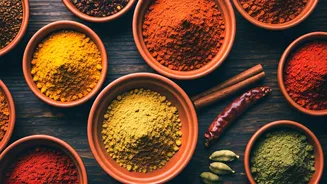
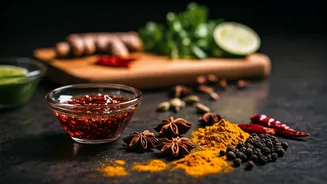
At the center of any Indian pantry is the spice collection, often organized in a traditional stainless-steel spice box known as a *masala dabba*. This circular container holds smaller bowls of the most frequently used spices, ready at a moment’s notice. While the exact contents vary by region and family, a starter set includes foundational flavors that can build countless dishes. Think of it as your primary color palette for cooking. Essentials include: - **Turmeric Powder (*haldi*):** For earthy flavor and its iconic golden hue. - **Cumin Seeds (*jeera*):** Used whole or ground for a smoky, nutty taste. - **Coriander Powder (*dhania*):** Provides a bright, citrusy, and slightly sweet note. - **Red Chili Powder (*lal mirch*):** For adjustable heat. - **Mustard Seeds (*rai*):** Tiny black or yellow seeds that pop in hot oil, releasing a pungent kick. - **Garam Masala:** A warming blend of finishing spices like cinnamon, cloves, and cardamom. With just these, you can toast them in oil (a technique called *tadka* or *tarka*) to create an aromatic base for almost anything.
The Protein Foundation: Lentils and Legumes
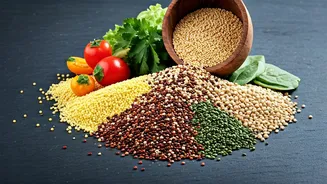
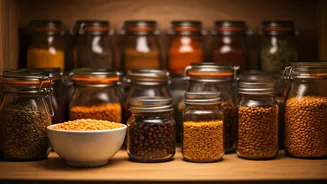
Forget thinking of them as a side dish; in Indian cuisine, lentils (*dal*) are the main event. They are the affordable, protein-packed workhorses of the pantry. A well-stocked kitchen will have several varieties, each with a different texture and cooking time. Toor dal (split pigeon peas) creates a classic, soupy dal perfect with rice. Masoor dal (red lentils) cooks down quickly into a creamy, comforting dish. Chana dal (split chickpeas) holds its shape and offers a nutty bite. Beyond lentils, dried chickpeas (*chana*) and kidney beans (*rajma*) are staples for heartier curries like Chana Masala and Rajma, dishes that prove vegetarian cooking can be deeply satisfying and robust. Simply soak them overnight, and they’re ready to become the star of dinner.
Essential Grains and Aromatics
No Indian meal is complete without a vessel to soak up the delicious sauces. The pantry provides two key players: long-grain basmati rice and whole wheat flour (*atta*). Rice can be steamed plain, turned into a fragrant pilaf with whole spices, or cooked with lentils for the ultimate comfort dish, *khichdi*. Atta is the key to making fresh, soft flatbreads like roti or chapati right on your stovetop. It requires nothing more than flour, water, and a little bit of practice. The final layer of the pantry consists of the long-lasting aromatics that start almost every dish: onions, garlic, and ginger. Keeping these on hand, along with a high-smoke-point oil and a jar of ghee (clarified butter) for finishing, ensures you always have the building blocks for a flavorful meal.
From Staples to Supper
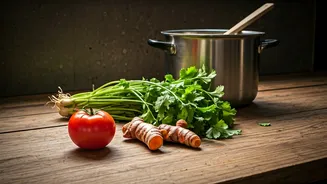
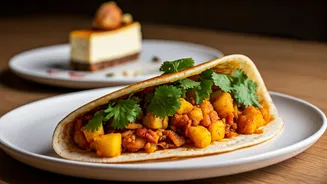
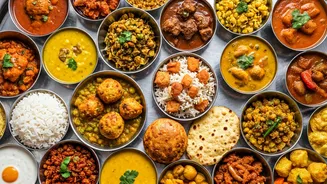
The magic is in the combination. With these staples, dinner is never far away. Got red lentils, onions, garlic, and spices? You have the makings of a classic Dal Tadka in under 30 minutes. Just toast your spices in ghee and pour it over the cooked lentils for a dramatic sizzle and burst of flavor. Have a can of chickpeas, some ginger, and a tomato? You’re on your way to a satisfying Chana Masala to serve with rice. If you’re truly short on fresh ingredients, a simple bowl of *khichdi* made with just rice, moong dal, and a pinch of turmeric is Indian soul food at its finest. Each dish is a testament to the power of a well-planned pantry, turning minimal ingredients into a meal that feels like a hug in a bowl.