






It's Not About Faking Meat Anymore
For decades, the goal of vegetarian cooking seemed to be mimicry. The central question was, “How can we make this plant taste like that meat?” This led to an endless parade of soy-based “chick’n” tenders and veggie burgers engineered to “bleed.” While
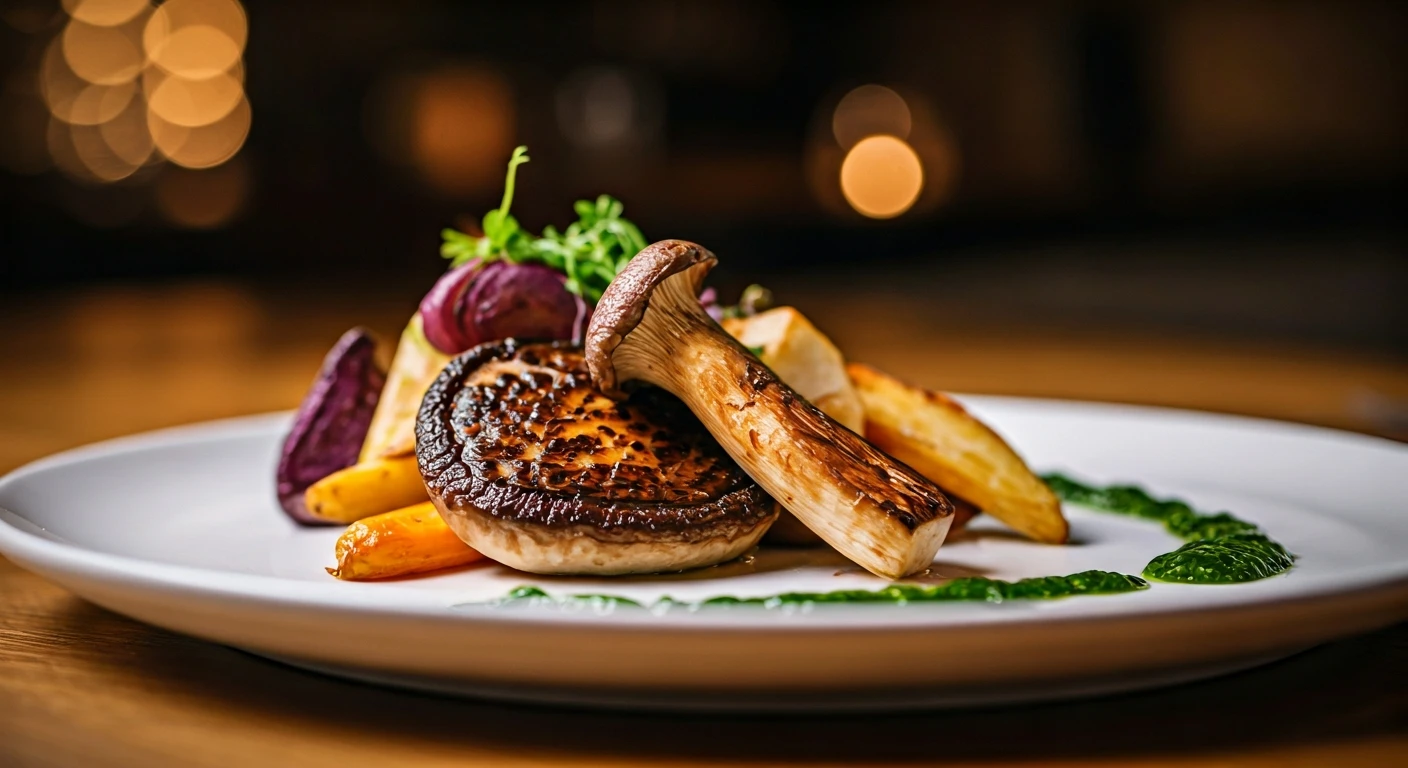
the technology behind these substitutes has improved dramatically, the real sea change in vegetarian dining has been a confident pivot away from imitation. The best chefs aren't asking a carrot to be a hot dog. They’re asking, “What is the most delicious version of a carrot we can create?” This shift is monumental. It's about celebrating vegetables for their own inherent qualities—their sweetness, earthiness, texture, and color. When a chef treats a beet with the same reverence, technique, and creative energy once reserved for a dry-aged ribeye, the results can be just as complex and satisfying.
Technique Makes Everything Better
The secret ingredient that has elevated vegetable cooking is, simply, technique. Culinary school fundamentals and fine-dining tricks that were once exclusively applied to proteins are now transforming the humble vegetable. Think of techniques like charring and smoking, which add incredible depth and a savory, almost primal flavor to everything from cabbage wedges to cauliflower steaks. Fermentation, a darling of modern kitchens, brings funky, complex umami notes to sauces and condiments. Chefs are using dehydration to concentrate flavors, creating intense vegetable powders or crispy fruit and vegetable chips that add texture. Emulsions and rich, vegetable-based broths provide a satisfying mouthfeel that was once the domain of butter and cream. By applying heat, time, and science, chefs are unlocking a new vocabulary of flavor from the plant kingdom, proving that satisfaction doesn't have to come from animal fat.
A Global Pantry Is the New Spice Rack
Another key driver of this evolution is our expanded access to and appreciation for global cuisines. Many of the world’s most vibrant food cultures have centuries-long traditions of sophisticated, vegetable-centric cooking. American chefs are now enthusiastically borrowing from this global pantry. The rich, savory power of Japanese miso and kombu can create a deeply satisfying broth without a single bone. The complex spice blends of India can turn a simple lentil or potato dish into a showstopper. Middle Eastern cuisine offers a masterclass in using tahini, yogurt, and herbs to create bright, flavorful, and substantial vegetarian meals. By looking beyond the traditional Western culinary framework of “meat and three veg,” chefs have found a world of inspiration that allows them to build powerful flavors, textures, and aromas without relying on a meat centerpiece.
The Customer Is Always Right (and Hungry)
This supply-side revolution wouldn't be happening without a massive shift on the demand side. The rise of the “flexitarian”—someone who eats a primarily plant-based diet but occasionally includes meat—has created a huge new market for excellent vegetarian food. These aren't diners motivated by strict ideology; they’re motivated by taste, health, and environmental concerns. They won’t settle for a boring plate of steamed vegetables. They want something delicious and exciting, and they are pushing restaurants to deliver. As a result, having just one token vegetarian dish is no longer a viable strategy for a serious restaurant. Today’s menus often feature multiple, thoughtfully created plant-based options that are designed to appeal to everyone, not just the vegetarians at the table. This has created a virtuous cycle: as more people discover how good vegetarian food can be, the demand grows, pushing chefs to innovate even further.