


Embrace the Roar, Not the Drizzle
For outdoor enthusiasts, a 'bluebird day' of uninterrupted sun is often the goal. But when it comes to waterfalls, clear skies can be a letdown. The secret that seasoned hikers know is that the very best time to see a waterfall is during or immediately
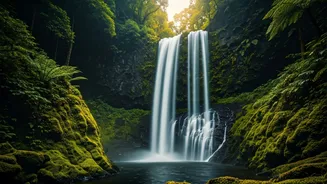
after a period of heavy rain. This is 'waterfall season'—not a specific time of year, but a glorious, temporary state of being when every creek, stream, and river is swollen with life. A cascade that might be a disappointing trickle in the dry heat of August can transform into a thundering, multi-story behemoth in the wetness of April or after a solid autumn storm. The rain you were trying to avoid is the very thing that creates the magic, turning a pleasant walk in the woods into an awe-inspiring encounter with nature's raw power.
Understanding Your Regional 'Season'
While the principle is universal, 'waterfall season' varies across the U.S. In the Pacific Northwest, the perpetually misty winters and springs mean iconic falls in the Columbia River Gorge are at their peak from late fall through May. In California, the prime time is often late spring, when Sierra Nevada snowmelt sends torrents of water crashing through Yosemite Valley. In the Appalachian Mountains of the Southeast, heavy spring and summer thunderstorms can turn gentle cascades into roaring spectacles overnight. The key is to stop thinking of rain as a cancellation and start seeing it as a trigger. A rainy week in the Great Smoky Mountains isn't a bust; it’s an opportunity to see Grotto Falls or Laurel Falls as few others do—unleashed and magnificent.
Gear Up for a Glorious Soaking
Enjoying a wet-weather hike is all about preparation. Being cold and soaked is miserable; being properly outfitted is an adventure. Your gear doesn't need to be expensive, just effective. Start with your feet: waterproof hiking boots are non-negotiable. Pair them with moisture-wicking wool or synthetic socks—never cotton, which holds moisture and leads to blisters. Next, a reliable waterproof rain jacket is your best friend. A good one will keep you dry without making you feel like you're hiking in a plastic bag. Waterproof pants are a great bonus. Finally, protect your essentials. A waterproof phone case and a dry bag or even a simple zip-top bag for your keys and wallet can save you a lot of grief. With the right gear, you can walk through misty forests and stand in the spray of a waterfall feeling comfortable and invigorated.
Finding and Photographing the Flow
So how do you find these seasonal wonders? Apps like AllTrails and Gaia GPS are invaluable, allowing you to filter for trails with waterfalls and read recent trip reports to check on flow levels. State and national park websites are also excellent resources. Look for trails that follow rivers or creeks, as they often hide smaller, unnamed cascades that come alive in the rain. When you get there, you’ll want to capture the scene. An overcast, rainy day is actually a photographer's dream, providing soft, even light that eliminates harsh shadows and makes colors pop. To get that silky, long-exposure look on the water, you'll need a tripod to keep your camera or phone steady. Use a lens cloth to constantly wipe mist from your lens, and embrace the moody, atmospheric shots that a sunny day simply can't deliver.