



The Grand Opening of Mountain Passes
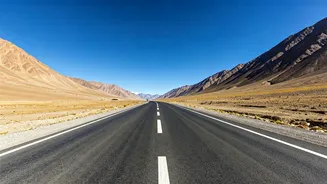
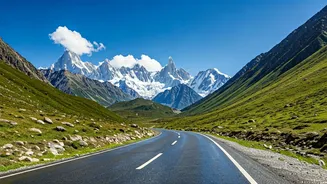
For much of the year, Ladakh is cut off from the rest of India by road, hibernating under a thick blanket of snow. June marks the great thaw. This is the month when the legendary high-altitude passes, like the Zoji La on the Srinagar-Leh highway and the mighty
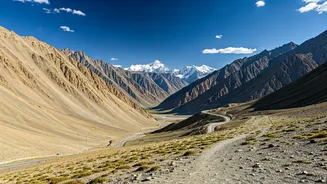
Rohtang and Baralacha La on the Manali-Leh route, are cleared of snow and officially opened to traffic. For road-trippers, this is the main event—a thrilling, serpentine drive through towering snow walls and dramatic vistas that is an adventure in itself. Arriving in Ladakh by road in June is not just a commute; it’s a pilgrimage that signals the true start of the travel season.
Weather Reaches Its Sweet Spot
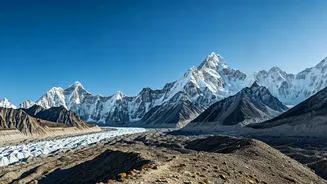
While the rest of India begins to swelter in pre-monsoon heat, Ladakh in June offers a near-perfect climate. The brutal winter has receded, replaced by long days of brilliant sunshine and crisp, clean air. Daytime temperatures hover comfortably in the 60s Fahrenheit (around 15-20°C), ideal for sightseeing and outdoor activities without the biting cold of the shoulder months or the more intense sun of late summer. The skies are typically crystal clear, offering unobscured, panoramic views of the jagged peaks and endless horizons that define the Ladakhi landscape. It’s T-shirt weather at 11,000 feet, an experience as surreal as it is pleasant.
A Landscape of Vivid Contrasts
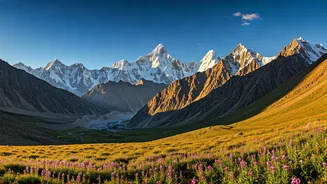
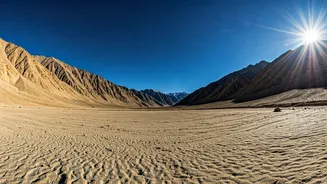
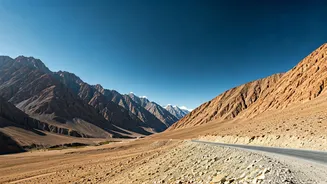
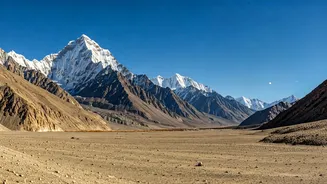
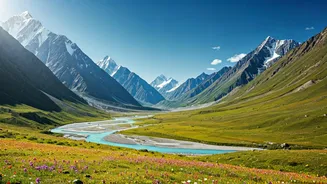
June is a month of dynamic beauty. The melting snow from the high peaks feeds the Indus and Zanskar rivers, turning them into powerful, rushing torrents of glacial-blue water. The region’s famous high-altitude lakes, Pangong Tso and Tso Moriri, are completely unfrozen, reflecting the sky in impossible shades of turquoise and sapphire. This vibrant blue is set against the backdrop of barren, brown mountains, with the lingering snow on their summits creating a breathtaking three-tone palette. In the valleys, the first flush of green appears as barley and apricot trees come to life, adding precious splashes of color to the stark, high-altitude desert.
Cultural Life Awakens with Festivals
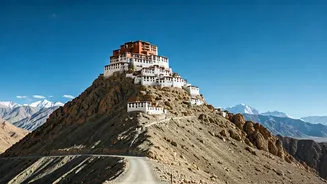
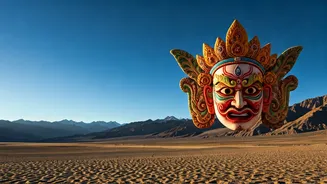
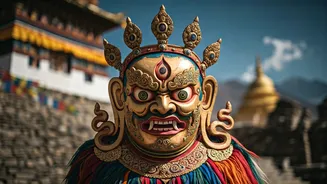
Ladakh’s spiritual and cultural heartbeat grows stronger in June. The month often plays host to some of the region’s most important monastic festivals, or “tsechus.” The most famous of these, the Hemis Tsechu at Hemis Monastery, frequently falls in late June. This two-day festival commemorates the birth of Guru Padmasambhava with a vibrant spectacle of masked dances, traditional music, and religious rituals. Monks in elaborate silk costumes and fearsome masks perform ancient chaam dances in the monastery courtyard, drawing locals and travelers alike. Witnessing a festival like this offers a profound glimpse into the living traditions of Tibetan Buddhism.
Adventure Before the Peak Crowds
While June is the start of the tourist season, it occupies a sweet spot before the absolute peak of July and August. You get all the benefits of peak-season access—open roads, full services in Leh, and active monasteries—but with slightly fewer crowds on the trails and at major viewpoints. It’s a chance to experience the buzz and energy of a newly awakened Ladakh without the congestion that can mark the high summer. For adventurers, this means prime conditions for trekking, river rafting on the Zanskar, and mountain biking on trails that are finally dry and accessible after the long winter.