



The Southwest: Prickly Pear's Reign
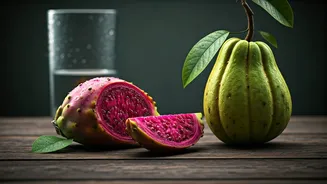
That neon-pink margarita you’re seeing all over your social feed isn’t just for looks. It’s a taste of the American Southwest. The prickly pear cactus, a resilient desert plant, produces a fruit with a vibrant magenta juice that tastes like a cross between
watermelon and bubblegum. For decades it’s been a staple in regional candy and syrups, but now it’s the undisputed star of the summer bar scene from Austin to Phoenix. Bartenders are using its electric color and sweet-tart flavor in everything from craft cocktails and sophisticated lemonades to house-made seltzers. It’s more than a flavor; it’s a visual and cultural symbol of the region, a delicious defiance of the harsh desert landscape.
The Midwest: A Pawpaw Renaissance
Ask most Americans to name a native North American fruit, and they might struggle. But in the Ohio River Valley and across the Midwest, the answer is increasingly the pawpaw. With a creamy, custardy texture and a tropical flavor profile reminiscent of banana, mango, and melon, the pawpaw is having a major moment. Because the fruit is notoriously delicate and has a short shelf life, it’s remained a hyper-local secret for generations. Now, craft brewers are creating seasonal pawpaw ales, and inventive mixologists are turning the pulp into unique syrups and foams for cocktails that offer a fleeting, unforgettable taste of a Midwestern autumn previewed in late summer.
New England: The Switchel Revival
Long before Gatorade, colonial-era New England farmers sipped on a drink called “switchel” or “haymaker's punch” to stay hydrated during long, hot days. Made from water mixed with apple cider vinegar, a sweetener like molasses or maple syrup, and a kick of ginger, this tangy, invigorating beverage is being rediscovered. Once relegated to history books, switchel is now appearing on menus at farm-to-table restaurants and hip cafes across Vermont, Massachusetts, and Maine. Some bars are using it as a complex, non-alcoholic base for zero-proof cocktails, while others are adding a shot of local rye whiskey or rum, creating a modern drink deeply rooted in the region's agricultural past.
The Mountain West: Foraging for Huckleberries
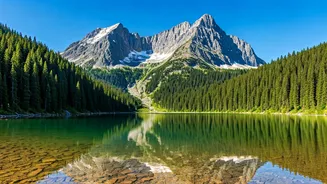
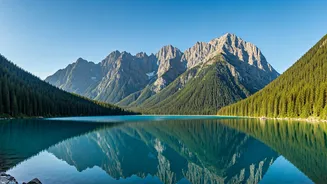
In the Rocky Mountains, from Montana down to Colorado, summer’s arrival is marked by the hunt for an elusive, purple-blue gem: the huckleberry. These wild berries, which refuse to be commercially cultivated, must be foraged by hand in the high country, making them a true taste of the wilderness. Their intense, tart-sweet flavor is a beloved regional staple in jams and pies, but now they’re elevating the summer drink menu. You’ll find huckleberry-infused vodkas, craft beers with a hint of huckleberry sweetness, and simple, perfect cocktails designed to let the berry’s unique character shine. Every sip is a testament to the region’s rugged, untamed spirit.
The Pacific Northwest: A Sip of the Forest
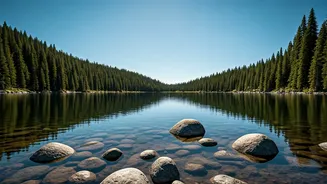
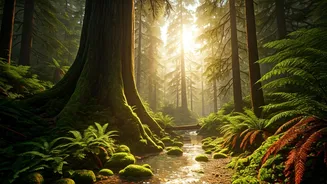
The Pacific Northwest’s identity is tied to its lush, green landscape, and its drinks are no exception. The regional pride here is less about a single fruit and more about the entire ecosystem. Distillers in Washington and Oregon are crafting world-class gins infused with locally foraged botanicals like Douglas fir tips, salal berries, and wild lavender. The result is a gin that tastes distinctly of a PNW forest after a rainfall. Bartenders are taking it a step further, muddling local berries, using spruce-infused syrups, and creating cocktails that are as much a lesson in botany as they are a refreshment, offering a complex, aromatic snapshot of the region.