


First, What Is This Magical Place?
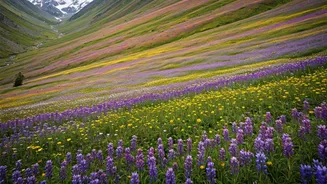
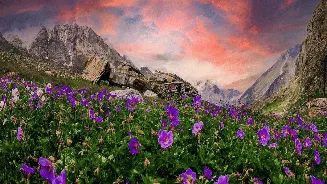
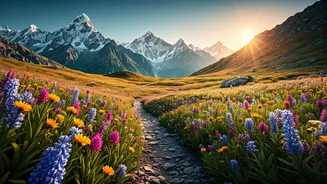
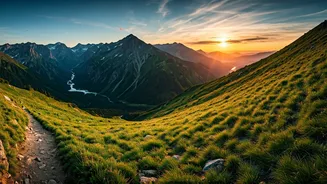
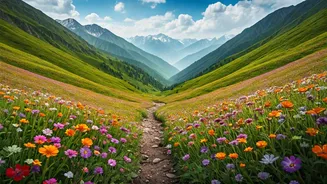
Let’s get the basics straight. The Valley of Flowers National Park is a real place, not just a poetic name. Tucked high in the Himalayas in the Indian state of Uttarakhand, it’s a UNESCO World Heritage Site famous for its sprawling alpine meadows that
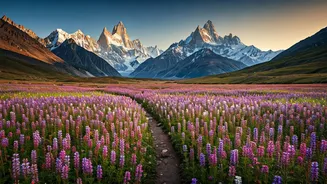
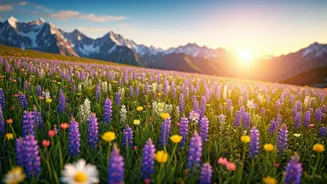
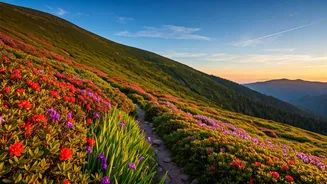
explode with hundreds of species of flowers during a brief monsoon window. We’re talking a vibrant, almost psychedelic landscape of orchids, poppies, primulas, and the elusive Brahma Kamal, a rare Himalayan flower that blooms only at night. It’s the kind of scenery that feels computer-generated but is, in fact, one of nature’s most spectacular, and fleeting, displays.
Why You Need to Plan Now
The headline isn’t just for drama. The “creeping” planning frenzy is a real phenomenon driven by a simple constraint: the valley is only open and accessible for about three months. From roughly late June to early October (with the peak in July and August), this remote paradise becomes the goal for trekkers from around the world. The base camp village, Ghangaria, is small, with limited lodging. Permits are required. Guides and porters get booked solid. If you wait until summer to start planning your summer trip, you’ll likely find everything sold out, forcing you to try again next year. The early bird doesn't just get the worm; they get a bed and a chance to see the bloom.
Mastering the Logistics: It's a Journey
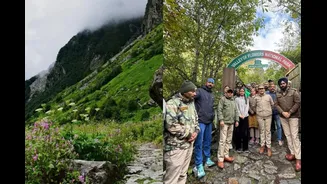
You can't just Uber to the trailhead. Reaching the Valley of Flowers is a multi-day pilgrimage. For most U.S. travelers, the journey looks something like this: 1. Fly into New Delhi (DEL). 2. Travel to Rishikesh, a spiritual hub and gateway to the mountains (by plane, train, or car). 3. Embark on a long, winding, and stunningly scenic road trip to Govindghat (or the newer endpoint, Pulna), which can take a full day or more. 4. From Pulna, you begin the trek. It's roughly a 9-mile walk to the village of Ghangaria, which will be your base for exploring the valley. This journey is part of the adventure, acclimatizing you to the altitude and immersing you in the Himalayan foothills long before you see the first flower.
The Trek Itself: Not a Walk in the Park
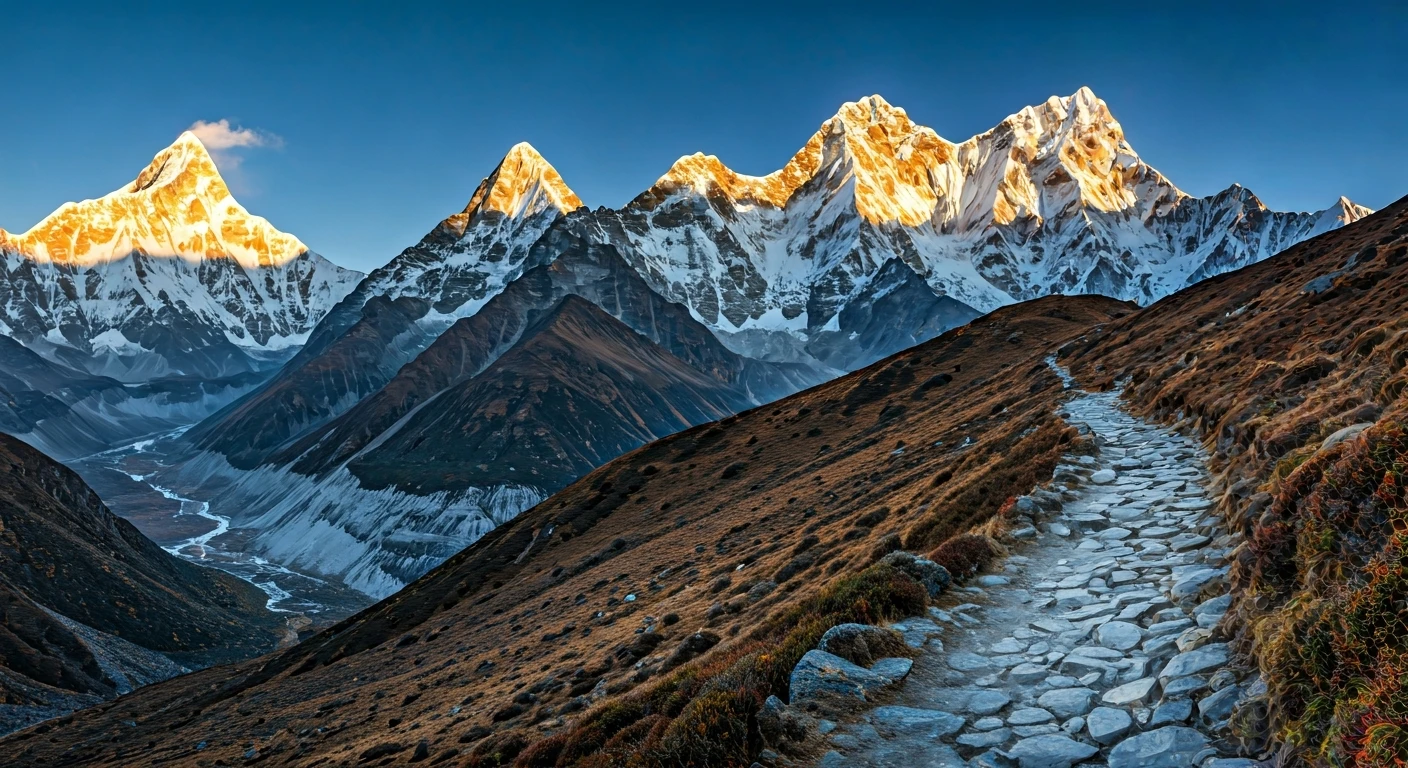
While you don’t need to be a professional mountaineer, you do need to be reasonably fit. The base village of Ghangaria sits at about 10,000 feet. The trail into the Valley of Flowers itself is a gentle but steady incline from there, about a 6-mile round trip you’ll do in a day. The main challenge is the altitude and the weather. It’s monsoon season, so expect rain. Not a light drizzle, but proper, soaking rain. A waterproof outer layer, waterproof boots with good grip, and quick-drying clothes are non-negotiable. Many travelers opt to hire a porter or a mule to carry their main luggage to Ghangaria, allowing them to trek with just a light daypack.
Don't Miss the Spiritual Side-Quest
One of the best parts of staying in Ghangaria is the opportunity for another incredible day trip: the trek to Hemkund Sahib. This is a much steeper and more challenging climb, leading to a glacial lake at nearly 15,000 feet, flanked by a gurudwara (a Sikh house of worship) that is one of the most revered pilgrimage sites in Sikhism. The air is thin, and the path is tough, but the reward is breathtaking. The shared sense of purpose among the pilgrims, combined with the stark, high-altitude beauty, offers a profound contrast to the gentle vibrancy of the Valley of Flowers. Doing both treks gives you a complete experience of the region’s natural and spiritual power.