


The Allure of the 'Changing Lake'
Nestled in the high-altitude landscape of East Sikkim, India, Tsomgo Lake—also known as Changu Lake—is a glacial wonder that sits at a dizzying 12,313 feet. For Americans accustomed to the Rockies or the Sierra Nevada, the scale and spiritual atmosphere
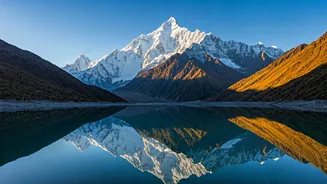
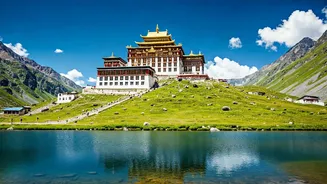
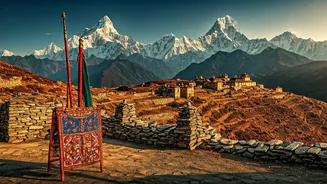
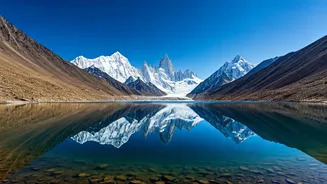
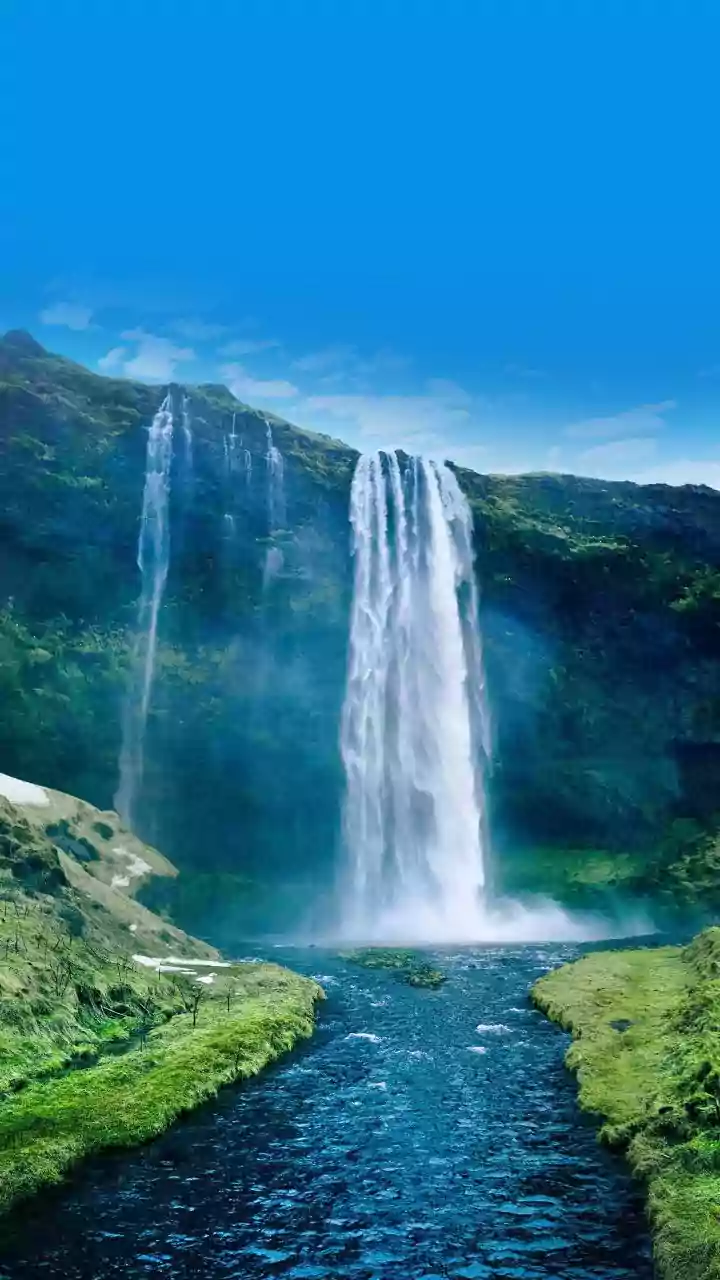
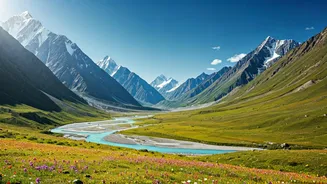
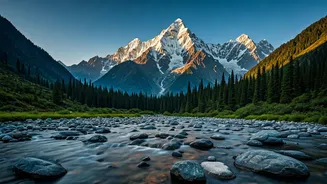
of the Himalayas offer a different kind of majesty. The name 'Tsomgo' translates to 'source of the lake' in the local Bhutia language, but its true magic lies in its ever-changing nature. In winter, it's a frozen, snow-dusted sheet of ice. Come late spring and summer, it thaws into a stunning emerald-blue expanse that perfectly mirrors the surrounding peaks and the passing clouds. The shoreline is often dotted with colorfully decorated yaks and mules, available for short rides, adding a whimsical, uniquely Himalayan touch to the otherworldly scenery.
Why a June Visit is Uniquely Magical
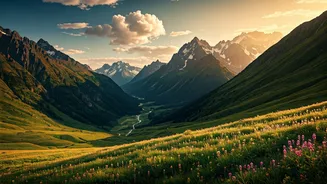
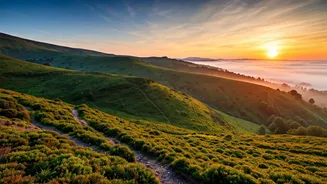
While many travel guides might caution you about the onset of the monsoon season in June, for Tsomgo Lake, this is precisely what unlocks its 'surreal' quality. The gentle rains and moisture-laden air create a persistent, ethereal mist that rolls across the water and shrouds the mountainsides. This isn't a trip for guaranteed, crystal-clear blue skies; it's for those who appreciate atmospheric, moody landscapes. The fog can part in an instant, revealing a dazzling reflection on the lake's calm surface, only to close in again moments later. This interplay of light, water, and mist is what makes a June visit so dramatic and unforgettable. Furthermore, the alpine meadows surrounding the lake burst into life with wildflowers, including vibrant varieties of rhododendrons, primulas, and poppies, carpeting the terrain in brilliant color.
The Journey from Gangtok
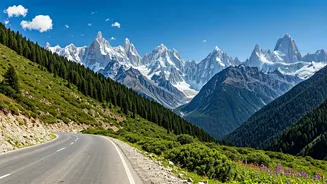
The adventure to Tsomgo Lake begins in Gangtok, the charming capital of Sikkim. The lake is approximately 25 miles away, but the drive itself is a core part of the experience. Prepare for a winding, three-to-four-hour journey that climbs steeply through hairpin bends and dramatic mountain passes. You'll watch the vegetation change from lush, subtropical forests to sparse alpine scrub. The road, while paved, is subject to the whims of mountain weather. The drive isn’t just a commute; it’s an acclimatization process, both physically and mentally, preparing you for the stark beauty that awaits at the top. Most travelers hire a dedicated vehicle with a driver from Gangtok, which is easily arranged through local tour agencies.
Permits: The Most Important Step
Here's the most crucial piece of practical advice for any American planning this trip: you cannot just show up. Because of its proximity to the India-China border, Tsomgo Lake is in a protected area. All visitors, including Indian nationals and foreigners, require a Protected Area Permit (PAP). Don't let this deter you; the process is straightforward but must be followed. The easiest way to secure your permit is through a registered tour operator or travel agent in Gangtok. You will need to provide copies of your passport, your Indian visa, and a passport-sized photograph. The operator will handle the application on your behalf. It’s typically processed a day in advance, so plan to spend at least one full day in Gangtok before your lake excursion.
Tips for a High-Altitude Trip
Traveling to over 12,000 feet requires preparation. Altitude sickness is a real possibility, so take it easy on your first day in Gangtok to acclimatize. Drink plenty of water and avoid heavy meals or alcohol before your trip to the lake. Even in June, the weather at Tsomgo is unpredictable and cold. Dress in layers: a thermal base layer, a fleece or mid-layer, and a waterproof and windproof outer jacket are essential. Sturdy, comfortable shoes are a must. Amenities at the lake are basic, consisting of small stalls selling hot tea, momos (Tibetan dumplings), and instant noodles. Embracing the simplicity is part of the charm. There is also a small ropeway that offers aerial views of the lake, weather permitting.