





The Satisfaction of the Snip
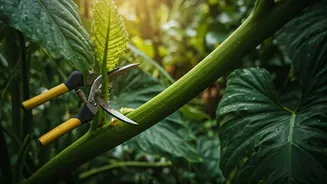
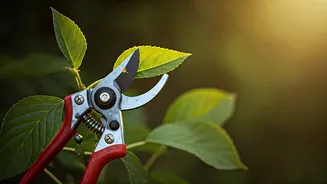
There’s a unique gratification that comes from pruning in early summer. Unlike the hopeful planting of spring or the melancholic cleanup of fall, the June prune is an act of immediate impact. You are editing in real-time. With a few decisive cuts, you
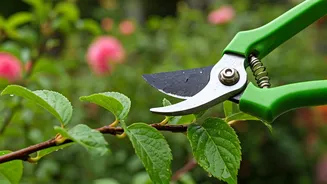
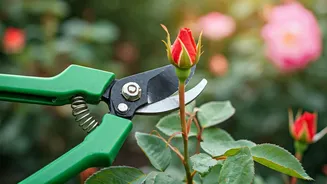
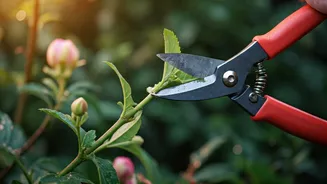
can untangle a chaotic climbing rose, give a shaggy shrub a dignified shape, or encourage a leggy perennial to bloom again. It’s a conversation with your plants. You’re not just imposing your will; you’re guiding their energy, helping them be their best selves. This act of shaping and refining transforms the garden from a thing that is happening *to* you into a space you are actively co-creating. It feels useful because it *is* useful, providing instant visual reward and long-term botanical benefits.
Saying Goodbye to Spring Bloomers
Many of our favorite spring-flowering shrubs, like lilacs, forsythia, and rhododendrons, have finished their spectacular shows by June. Now is the perfect time to prune them. Why now? Because these plants form their flower buds for next year on 'old wood' over the summer. If you wait until fall or winter, you’ll be cutting off next spring’s flowers. The goal here is twofold: shape and renewal. First, remove any dead, damaged, or crossing branches to improve the plant's health and air circulation. Then, step back and assess its overall shape. You can trim it for size and form, typically by cutting back about a third of the longest, oldest stems right to the base. This encourages fresh, new growth from the bottom, revitalizing the shrub and ensuring a better flower display next year.
The 'Chelsea Chop' for Perennials
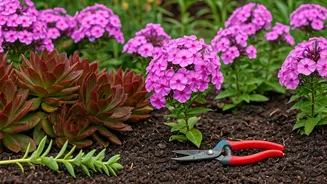
As June progresses, some early-blooming perennials like catmint (Nepeta), hardy geraniums, and salvia can start to look floppy and spent. Don't just deadhead them—give them a proper haircut. This technique, often called the 'Chelsea Chop' (named after the famous U.K. flower show in late May), involves cutting the entire plant back by about a third to a half. It sounds brutal, but it works wonders. The plant will respond by pushing out a fresh flush of dense, compact foliage and, in many cases, a second round of flowers later in the summer. It’s a fantastic way to extend the season and keep your flower beds looking tidy and full, rather than leggy and exhausted.
Shaping Hedges and Evergreens
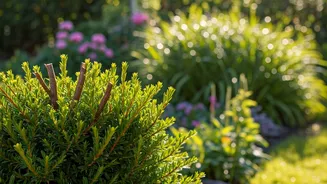
June is also prime time for shearing hedges and shaping evergreens like boxwood, yew, and arborvitae. Their first major flush of spring growth has hardened off, making them ready for a trim. The key to a healthy hedge is to prune it into a slight 'A' shape—wider at the bottom than at the top. This ensures that sunlight can reach the lower branches, preventing that ugly, bare-legged look. For specimen evergreens, the goal is gentle shaping, not a hard shearing. Use hand pruners to selectively trim back new growth to maintain the plant’s natural form and size. This is your chance to play sculptor, defining the clean lines and green architecture of your landscape for the rest of the season.
What Not to Touch Right Now
Just as important as knowing what to prune is knowing what to leave alone. Avoid the temptation to give a hard prune to summer-flowering shrubs like hydrangeas (especially 'mophead' varieties) and butterfly bushes. These bloom on 'new wood'—the growth they produce this season. Pruning them now will remove their flower buds and leave you with a bloomless summer. The time for a major prune on these plants is late winter or early spring, before they break dormancy. Also, hold off on pruning trees like maples and birches, which can 'bleed' a lot of sap if cut in late spring or early summer. While not usually fatal, it’s stressful for the tree and messy for you. Save that work for when they are fully dormant.