






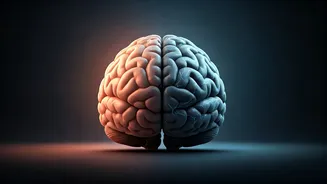


The Brain's Performance-Enhancing Drug
Forget the corner office; the new status symbol is sustained focus. As work becomes more cognitive and less manual, your brain is your primary asset. And the single most effective way to upgrade its performance is physical exercise. When you engage in moderate-to-intense
physical activity, your body increases blood flow to the brain, delivering a cocktail of oxygen and nutrients. More importantly, it stimulates the production of brain-derived neurotrophic factor (BDNF), a protein that acts like fertilizer for your neurons. BDNF supports the survival of existing brain cells and encourages the growth of new ones, particularly in the hippocampus—the region vital for learning and memory. In a world saturated with information, the ability to learn quickly and retain knowledge is a superpower. Exercise directly sharpens that tool, making you better at problem-solving, deep work, and creative thinking long after you've left the gym.
Building a Firewall Against Burnout
The work landscape of 2026 will be defined by its ambiguity: hybrid schedules, asynchronous communication, and blurred boundaries between home and office. This environment is a perfect breeding ground for chronic stress and digital burnout. Personal fitness acts as a powerful counterbalance. Exercise is one of the most effective ways to regulate the body’s stress hormones, like cortisol and adrenaline. A morning run or an evening yoga session isn’t just 'letting off steam'; it's a biological reset. It metabolizes the chemical byproducts of stress, lowers resting heart rate, and improves sleep quality. This creates a buffer of resilience. When an urgent project lands on your desk at 5 p.m. or you're juggling a dozen Slack channels, a physically conditioned nervous system can handle the pressure without tipping into a state of anxiety or exhaustion. Fitness is no longer about aesthetics; it's about building the mental and emotional fortitude required to thrive in a relentlessly demanding professional culture.
The Catalyst for Everyday Innovation
Innovation isn't reserved for designated brainstorming sessions. The best ideas often strike when we’re not actively trying to find them. This is where low-intensity movement becomes a secret weapon for productivity. Activities like walking, jogging, or cycling have been shown to promote 'divergent thinking,' the non-linear, free-flowing thought process associated with creativity. When you’re stuck on a complex problem, staring at a screen only reinforces cognitive rigidity. Stepping away for a walk changes your physical environment and allows your brain to enter a more diffuse, relaxed state. This mental shift helps you make novel connections and see solutions you missed while chained to your desk. In an economy that increasingly rewards creative problem-solving over rote execution, building time for movement into your day isn't a break from work—it's a critical part of the work itself.
Discipline as a Transferable Skill
The most underrated benefit of a consistent fitness routine has nothing to do with physiology and everything to do with psychology. Committing to exercise, especially when you don't feel like it, builds a muscle far more important than your biceps: discipline. This is the foundational skill for all high achievers. The act of setting a fitness goal, creating a plan, executing it consistently, and delaying gratification is a powerful feedback loop. It trains you to prioritize long-term benefits over short-term comfort. This exact mindset is what separates successful professionals from the rest. It translates directly into better time management, the ability to power through tedious tasks, and the resilience to stick with difficult projects until completion. The person who can get themselves to the gym on a cold, dark morning is the same person who can finish the quarterly report on time, every time.