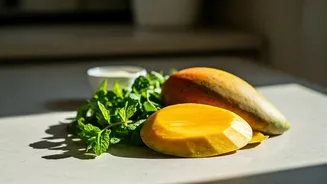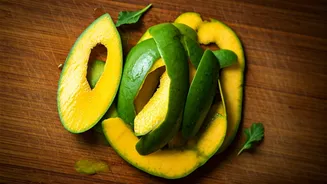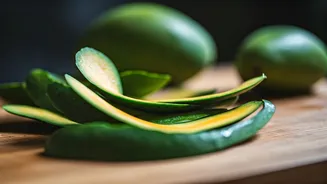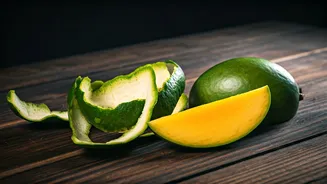




The Case for Keeping the Peel
For generations, the mango peel’s destiny was the trash can. It was seen as tough, bitter, and simply the disposable wrapper for the sweet, juicy flesh inside. But that perception is changing, driven by a convergence of sustainability concerns and nutritional
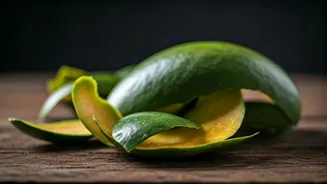
curiosity. The zero-waste movement has encouraged home cooks and professional chefs alike to question what we consider “scraps.” If we can use carrot tops for pesto and broccoli stems for soup, why not find a purpose for the vibrant skin of a mango? The answer, it turns out, is compelling. Mango peels are a nutritional powerhouse. They are packed with dietary fiber, which is essential for digestive health. Furthermore, studies have shown that the peel contains a higher concentration of antioxidants—like mangiferin, carotenoids, and polyphenols—than the flesh itself. These compounds are celebrated for their ability to fight cellular damage and reduce inflammation. In essence, by throwing away the peel, we’ve been discarding a significant portion of the fruit’s health benefits.
First, A Quick Word on Safety
Before you dive in, there are a few important considerations. The first is pesticides. Since chemicals are sprayed on the skin of conventionally grown fruit, it is highly recommended to use only organic mangoes if you plan to consume the peel. Regardless, a thorough wash and scrub are non-negotiable.
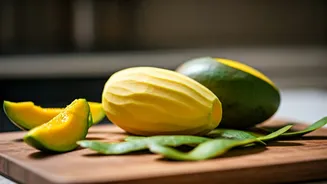
The second, more unique concern is urushiol. This is the same compound that causes the infamous rash from poison ivy and poison oak, and it’s present in the sap, leaves, and skin of the mango plant. While the concentration in the fruit’s skin is much lower, some people can still have a mild allergic reaction, often manifesting as contact dermatitis or a tingly sensation in the mouth. Varieties with thinner, less waxy skins (like the yellow Ataulfo) tend to be a safer bet than the thick-skinned red-and-green varieties like the Tommy Atkins. If you have a known sensitivity to poison ivy or a history of severe allergies, it’s best to steer clear. For everyone else, trying a tiny piece of the clean peel and waiting to see how you feel is a sensible first step.
How to Prepare and Use Mango Peels
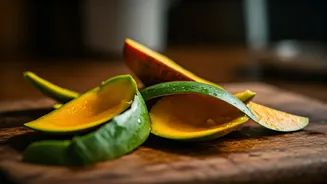
Once you’ve sourced and thoroughly cleaned your organic mango, the culinary adventure begins. The taste of a raw mango peel is complex—it has a floral, slightly resinous flavor with a distinct bitterness and a chewy, sometimes tough texture. It's not something you'd likely eat on its own like an apple skin. Instead, the magic lies in how you incorporate it.
One of the easiest methods is to leave the skin on when you’re making a smoothie. The blender will pulverize the peel, distributing its nutrients and fiber throughout your drink. The sweetness of the other ingredients, like the mango flesh, bananas, and yogurt, will easily mask any bitterness. For those who want to get more creative, the peels can be used to infuse flavor into other things. Drop a clean peel into a bottle of vinegar or vodka for a few weeks to create a unique, tropically scented infusion. You can also boil the peels with sugar and water to make a fragrant simple syrup for cocktails or iced tea.
Advanced Techniques for the Adventurous Cook
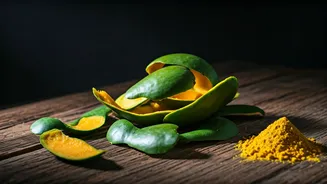
Ready to level up? Try pickling your mango peels. A quick pickle in a brine of vinegar, water, sugar, and salt transforms the tough skin into a tangy, chewy condiment that’s fantastic on tacos, sandwiches, or grain bowls. Another popular technique is to make mango peel powder. Dehydrate the peels in a low oven or a food dehydrator until they are completely dry and brittle, then blitz them in a spice grinder. This vibrant powder can be added to spice rubs for chicken or fish, sprinkled over yogurt, or mixed into salt to create a finishing salt with a tropical kick.
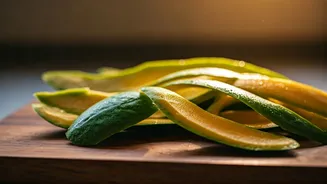
Finally, don’t forget the candied route. Simmering strips of mango peel in a sugar syrup, similar to how you would candy citrus peel, results in a sweet, chewy treat that mitigates the bitterness and highlights the floral notes. These can be eaten as a snack or used as a beautiful garnish for desserts.