





Beyond the Elephant in the Room
For decades, the American interpretation of 'Indian decor' was often a caricature. Think paisley-printed tapestries from a college dorm, mass-produced elephant statues, and a vague, monolithic 'exotic' aesthetic that had little to do with the subcontinent's
vast and varied design traditions. But a significant shift is underway. Homeowners and designers are moving past this outdated cliché, seeking out pieces that reflect a more nuanced, authentic, and deeply personal understanding of Indian design. It’s no longer about decorating a room to look like a generic 'somewhere else.' Instead, it's about incorporating specific, meaningful objects that tell a story, celebrate a particular craft, and bring a unique warmth and history into a modern American home. This new approach values specificity over stereotypes, honoring the diversity of India’s 28 states and their distinct artistic legacies, from the intricate woodwork of Rajasthan to the vibrant textiles of Gujarat.
The Allure of the Artisan's Touch
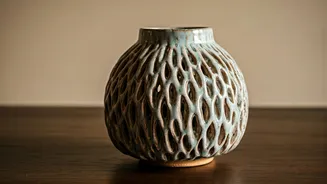
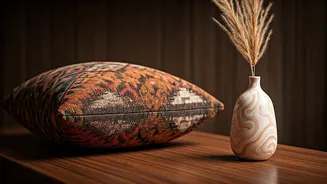
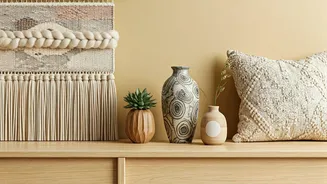
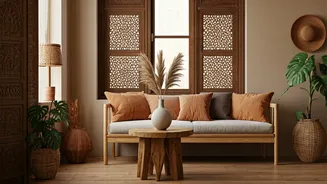
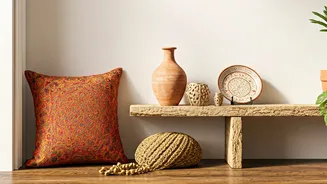
At the heart of this trend is a renewed appreciation for the handmade. In a world saturated with flat-pack furniture and digitally printed fabrics, the subtle imperfections and undeniable character of an artisan-made object feel like a luxury. We're seeing a surge in popularity for items that proudly bear the marks of their maker. This includes hand-carved wooden furniture like charpai daybeds or jali screens, which offer intricate patterns and texture. Hand-block printed textiles from Jaipur, with their slight variations from one yard to the next, are replacing uniform, factory-made patterns on pillows, quilts, and tablecloths. Hand-thrown pottery and hand-hammered brass or copper vessels (like the traditional 'lota') are being used as unique vases and decorative accents. This turn toward the handmade isn’t just an aesthetic choice; it’s a quiet rebellion against the impersonal nature of mass production and a vote for sustainability, skill, and the human story behind the object.
A Story in Every Object
The 'personal' aspect of this trend goes beyond just individual taste. It's about curating a home filled with objects that have a soul. For many Indian Americans, this means proudly displaying family heirlooms—a grandmother’s embroidered sari repurposed as a wall hanging, a set of brass spice boxes used as trinket holders, or vintage photographs that connect the present to the past. But you don't have to be of Indian descent to participate in this storytelling. It's also about acquiring pieces with a known provenance. Many direct-to-consumer brands are now connecting American buyers with specific artisan communities in India, sharing the name and story of the person who wove the rug or carved the bowl. This creates a powerful connection between the maker and the owner, transforming a simple decorative item into a piece of portable culture and a conversation starter. The value is no longer just in how the object looks, but in the history and humanity it represents.
Modern India, Modern Home
Crucially, this trend is not about creating a museum or a theme room. The most successful examples integrate these personal and handmade Indian pieces into distinctly contemporary American interiors. The magic is in the mix. A single, beautifully carved antique door might be repurposed as a headboard in a minimalist bedroom. A collection of colorful Kantha quilts might be thrown over a sleek, mid-century modern sofa. A vintage brass water pot can sit on a polished concrete floor, serving as a sculptural element. This approach avoids cultural costume and instead fosters a genuine design dialogue. It demonstrates a confidence in mixing styles, eras, and cultures to create a space that is layered, interesting, and, above all, a true reflection of the people who live there. It’s a global, sophisticated take on decorating that proves a home can be both modern and deeply connected to tradition.