




What 'Monsoon Season' Actually Means
First, let’s demystify the term. For many travelers, “monsoon” conjures images of unrelenting, vacation-ruining deluges. The reality is often far more nuanced. In many popular destinations, like Thailand or Costa Rica, the rainy season doesn’t mean it rains
all day, every day. Instead, it’s characterized by predictable patterns, most commonly a brilliant, sunny morning followed by a short, intense, and dramatic downpour in the late afternoon. The clouds then part, leaving behind cooler air, clean-washed streets, and a spectacular sunset. This is very different from the persistent, multi-day drizzle you might find in other parts of the world. Even here in the U.S., the North American Monsoon brings vital summer rains to the Southwest, creating its own unique travel rhythm. Understanding this pattern is the first step; a monsoon isn't a monolith, but a climate system with a daily schedule you can work with.
How to Read a Forecast Like a Traveler
A savvy traveler looks beyond the simple rain-cloud icon or the percentage chance of precipitation. When you check the forecast for your destination, you’re not looking for a simple yes/no on rain; you’re gathering intelligence. Look at the hourly breakdown. Does the rain consistently arrive at 3 p.m.? Great. Plan your hikes, beach time, or city explorations for the morning. Use that guaranteed rainy period for an indoor activity: a long lunch, a museum visit, a cooking class, or even a well-deserved nap. Also, pay attention to the predicted intensity. A forecast for “light showers” is very different from a “thunderstorm with heavy winds.” The former is a minor inconvenience you can handle with a light jacket, while the latter is a clear signal to stay indoors. Use multiple sources if you can, cross-referencing a major international weather service with a reliable local one, which may have more granular insight.
Using the Forecast to Shape Your Itinerary
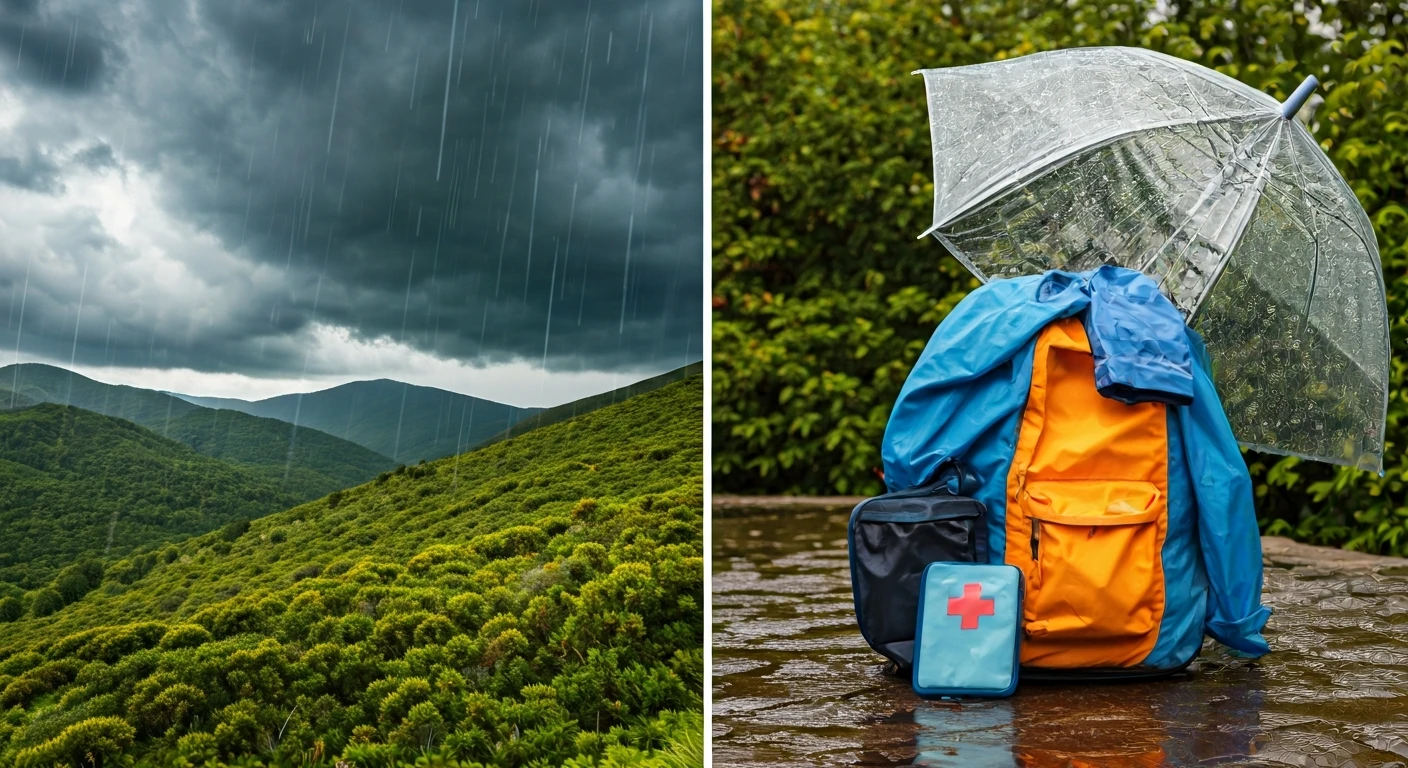
Think of the forecast not as a judgment on your plans, but as a blueprint. If you see a three-day stretch of predicted afternoon storms, you can proactively build a flexible itinerary. Day one’s afternoon is for the local market under its covered roof. Day two’s is for that temple complex that’s mostly indoors. Day three’s is for a spa treatment. This proactive approach transforms the weather from a potential adversary into a logistical partner. It also helps manage expectations. If you know rain is coming, you won’t be disappointed when it arrives; you’ll be ready to pivot. This strategy also applies to packing. Instead of heavy rain gear, you might only need a packable waterproof shell, quick-dry clothing, and footwear that can handle a sudden soaking and dry out quickly. You’re packing for the rhythm of the day, not for a week of endless winter.
What the Forecast Can't Tell You
A weather forecast is an incredibly powerful tool, but it has its limits. It can predict rain, but it can’t predict the secondary effects of that rain, especially after weeks of it. A forecast won’t tell you if a rural road to a remote waterfall has become impassable due to mud, or if inter-island ferry services might be canceled due to high seas. This is where the forecast filter must be supplemented with on-the-ground intelligence. Talk to your hotel concierge, local guides, or expat bloggers. They will know which roads are prone to washing out or which boat tours are likely to be called off. The forecast gives you the “what,” but local knowledge provides the “so what.” The ultimate key to successful monsoon-season travel is this combination of meteorological data and human insight, topped with a healthy dose of flexibility. Be prepared to change your plans, discover an unexpected local cafe while you wait out a storm, and embrace the adventure.