






Beyond Just Planting Trees
When you hear “urban greening,” you might picture a few new trees lining a sidewalk. While that’s part of it, the movement has become far more ambitious and integrated. True urban greening is the strategic placement of nature-based infrastructure throughout
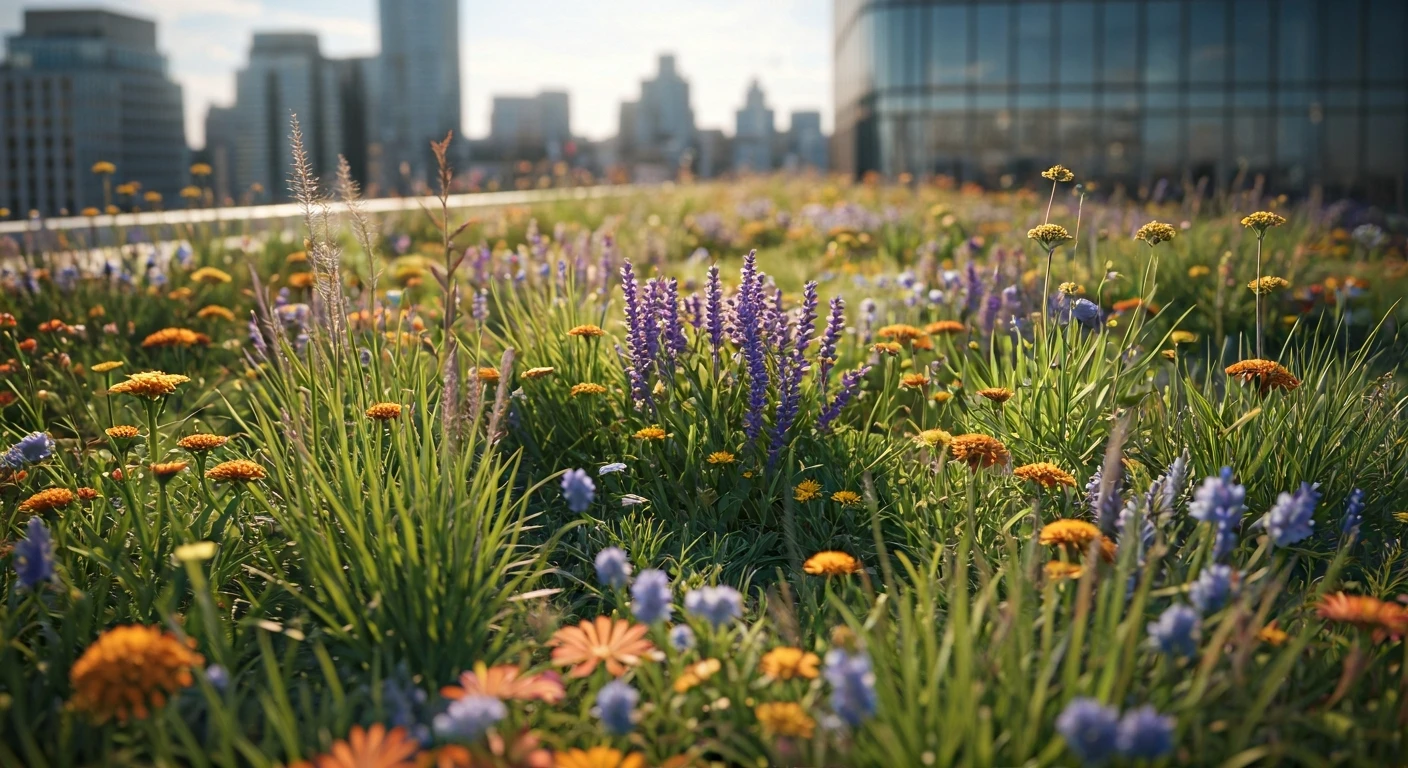
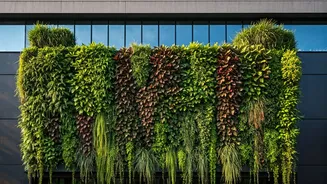
a city. Think green roofs that absorb rainwater and insulate buildings, ‘pocket parks’ that transform vacant lots into community hubs, and bioswales—essentially landscaped ditches—that filter pollutants from stormwater before it overloads sewer systems. It’s about viewing parks, gardens, and greenways not as decorative afterthoughts, but as critical, hard-working infrastructure. This approach fundamentally reimagines the relationship between the natural and built environments, treating green spaces as essential components of a healthy, functioning city.
From Policy to Pavement
So, why is this happening now? A perfect storm of factors has pushed greening from talk to action. First, the escalating impacts of climate change are undeniable. Cities are grappling with record heatwaves and more intense storms, and green infrastructure is a proven, cost-effective tool for mitigation. Trees and vegetation can lower neighborhood temperatures by up to 10°F, combating the dangerous “heat island” effect. Second, the pandemic highlighted the profound link between access to green space and public health, particularly mental well-being. Finally, a new wave of federal funding, notably through the Inflation Reduction Act, has unlocked billions for projects that advance environmental justice and climate resilience. This has given city planners and community groups the financial muscle to turn long-held plans into shovel-ready projects, especially in underserved neighborhoods that have historically lacked green investment.
Real-World Transformations
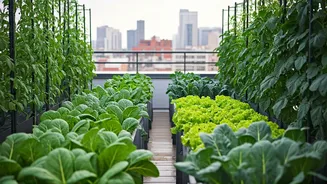
The evidence is sprouting up in cities nationwide. In Philadelphia, the “Green City, Clean Waters” program has become a national model, using thousands of green infrastructure projects to manage stormwater runoff and beautify neighborhoods. In Chicago, a plan to convert a 21-mile stretch of unused rail line into a park and trail system is connecting diverse communities and revitalizing industrial corridors. Detroit, once a symbol of urban decay, is seeing a grassroots-led greening renaissance, with community gardens and urban farms reclaiming vacant lots to provide fresh food and neighborhood gathering spots. Even smaller cities are getting in on the act, using greening to revitalize downtowns and create more resilient communities. These aren't isolated boutique projects; they represent a systemic shift in urban planning.
The Compounding Benefits
The move to action is rooted in a growing understanding that the return on investment for greening is immense and multifaceted. Environmentally, it improves air and water quality, boosts biodiversity, and sequesters carbon. Economically, it can increase property values, attract businesses, and reduce municipal costs for things like air conditioning and stormwater management. But perhaps the most crucial benefits are social. Access to green space is linked to lower rates of stress, anxiety, and depression. Parks and community gardens foster social cohesion, providing a place for neighbors to connect and build relationships. By prioritizing greening in historically disinvested areas, cities can also begin to address long-standing inequities, ensuring that the benefits of nature are available to everyone, regardless of their zip code.