
The Quiet Rejection of Perfect
For decades, high-end interior design was synonymous with a flawless, almost futuristic aesthetic. Think vast expanses of stark white, gleaming metallic accents, and surfaces so polished you could see your reflection. It was a vision of luxury rooted
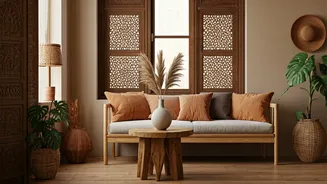
in industrial precision and human dominance over nature. But a quiet revolution is underway. Designers and homeowners are increasingly turning away from this sterile ideal, seeking spaces that feel grounding, authentic, and deeply connected to the natural world. This isn't about rejecting modernity, but redefining it. The new luxury is less about showing off and more about feeling good in a space that is both beautiful and mindful.
Meet the New Material Icons
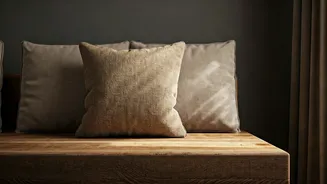
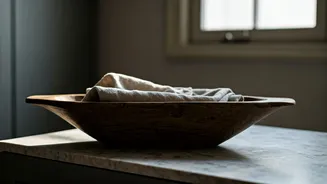
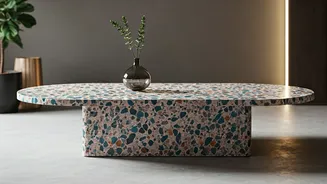
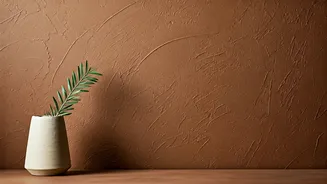
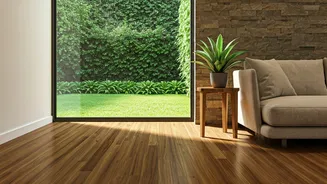
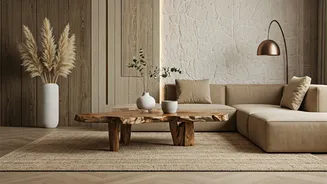
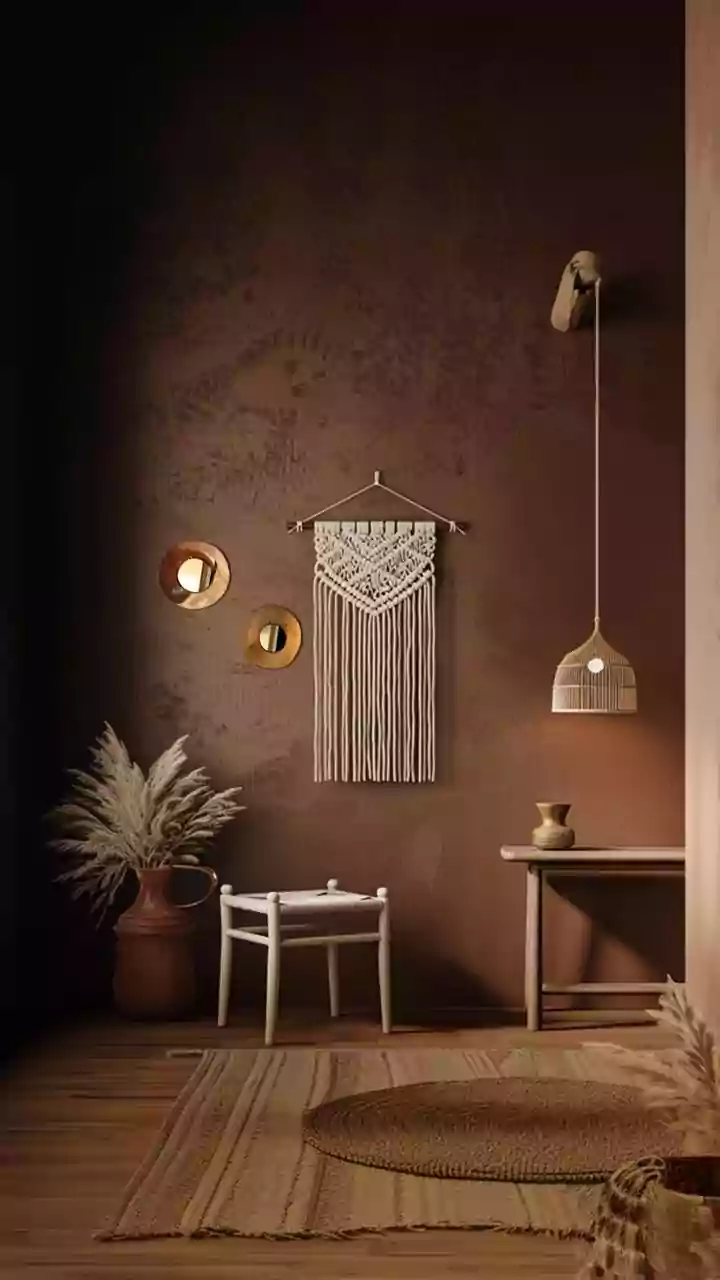
At the heart of this trend is a focus on raw, earthy materials that celebrate their own origins. Travertine, with its warm tones and porous, unfilled texture, has replaced cold, vein-heavy marble as the stone of choice. Plaster and limewash are being applied to walls, creating a soft, matte finish that absorbs light and shows the subtle variations of the artisan's hand. Reclaimed wood, bearing the nicks, knots, and patina of a previous life, brings history and warmth to floors, ceilings, and furniture. Other materials gaining prominence include cork for its sound-dampening and sustainable qualities, terracotta for its rustic charm, and even rammed earth—layers of compacted soil that create stunning, striated walls. These materials are chosen not despite their imperfections, but because of them. Each irregularity tells a story, making a space feel unique and alive.
A Philosophy of Living
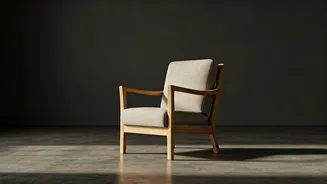
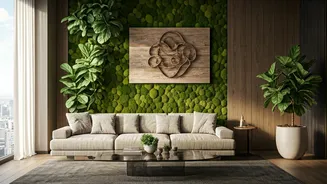
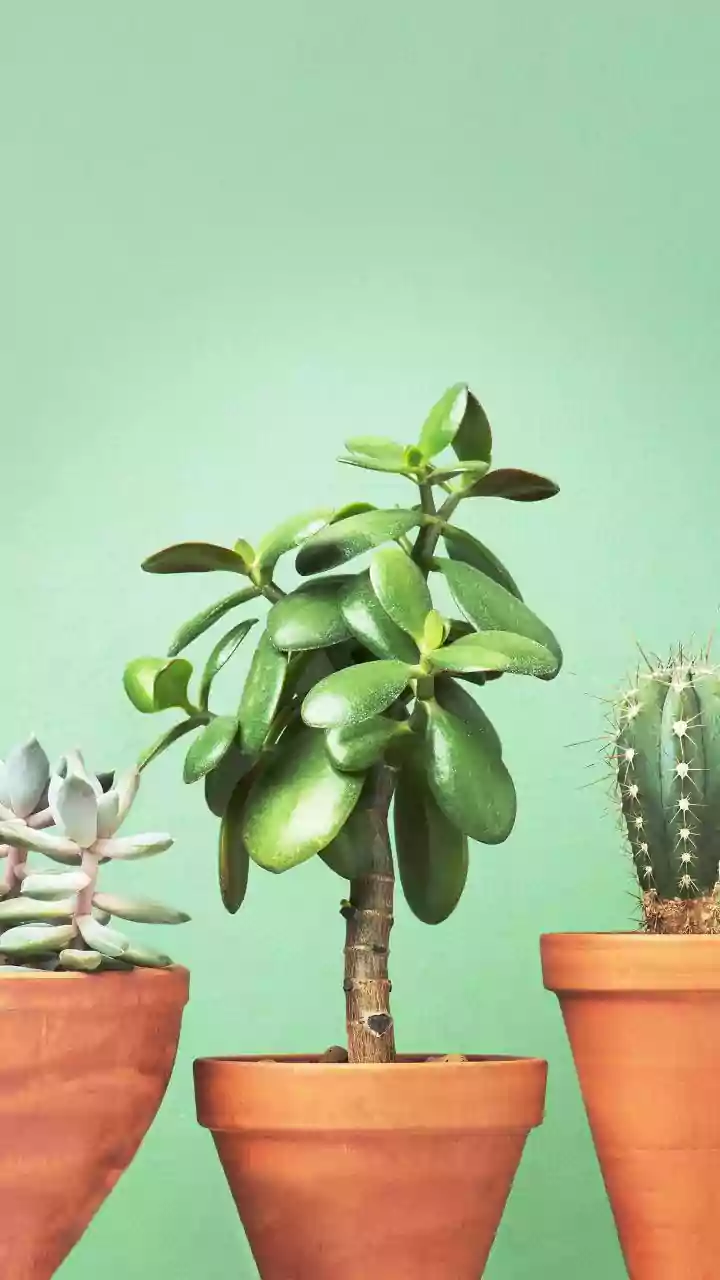
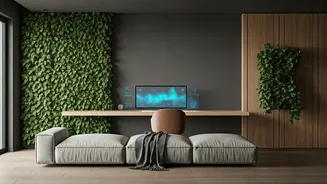
This aesthetic shift is more than just a passing trend; it’s rooted in a deeper philosophical change. It taps into principles of biophilic design, which posits that humans have an innate need to connect with nature for their well-being. Surrounding ourselves with natural materials, organic shapes, and plant life can reduce stress and improve cognitive function. The movement also shares DNA with the Japanese concept of wabi-sabi, which finds beauty in imperfection, impermanence, and authenticity. In a world saturated with digital filters and AI-generated perfection, the appeal of something genuinely real and flawed is more potent than ever. Choosing a piece of furniture made from a single slab of wood, or living within walls that breathe, becomes an act of rebellion against the synthetic.
Sustainability as the Ultimate Luxury
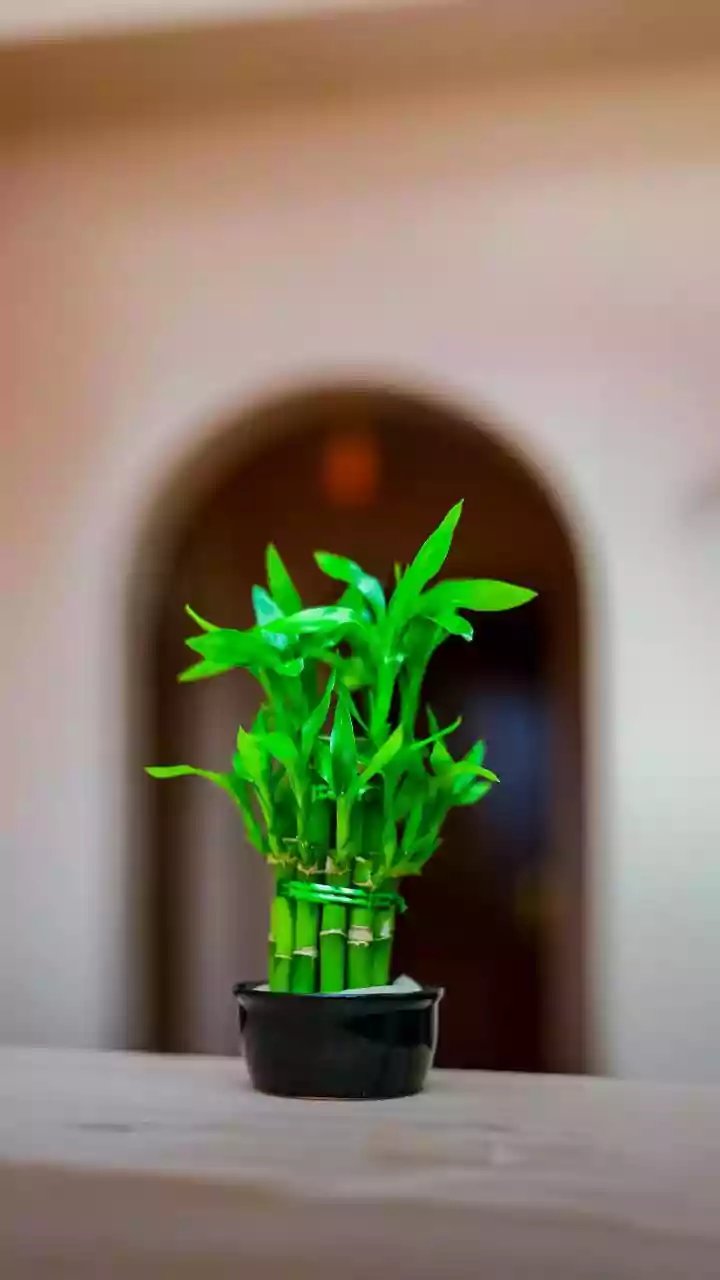
Crucially, this focus on earthy materials aligns with a growing consciousness around sustainability. Using reclaimed timber prevents old-growth forests from being cut down. Sourcing stone from local quarries reduces transportation-related carbon emissions. Natural materials like cork and bamboo are rapidly renewable. While the initial cost can be high, the value proposition of sustainable luxury is its longevity and ethical integrity. It represents a move away from the disposable, trend-driven consumption cycle and toward creating homes that are built to last, both structurally and stylistically. In this new paradigm, the ultimate status symbol isn't an imported slab of rare marble, but a home that is in harmony with its environment, promoting the health of both the planet and its inhabitants.