







The Sticker Shock Is Real
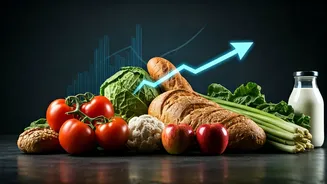
It’s not just a feeling; your grocery bill has objectively soared. According to the Bureau of Labor Statistics, the price of food at home has risen dramatically over the past few years, outpacing overall inflation at times. Staples like eggs, beef, and
cereal have seen double-digit percentage increases, turning a routine shopping trip into a source of financial stress. While economists point to a complex mix of factors—supply chain disruptions from the pandemic, geopolitical conflicts affecting grain and oil supplies, and persistent labor shortages—the end result for consumers is simple and painful. The dollar just doesn't stretch as far in the supermarket aisle as it did. This isn't a slow, creeping change; it's a jarring shift that has fundamentally altered household budgets across the country, making a topic once reserved for economists a kitchen-table emergency.
A Generation Under Pressure
This economic squeeze is hitting younger Americans, particularly Gen Z and millennials, with unique force. Many entered the workforce facing wage stagnation, historic student loan burdens, and an impossibly expensive housing market. Unlike older generations who may have built up savings or home equity, many young people operate with razor-thin financial margins. For them, a 20% jump in the price of chicken isn't an annoyance; it’s a direct threat to their ability to make rent. This demographic is digitally native but financially precarious. They are accustomed to sharing their lives online, and now, that sharing includes the raw, unfiltered anxiety of trying to afford basic necessities. The frustration is palpable because it compounds pre-existing feelings of economic disenfranchisement, feeding a narrative that the system is not working for them.
TikTok Becomes the Town Square
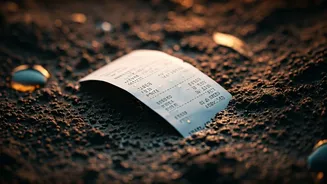
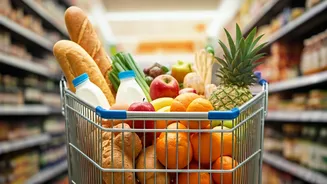
So where does this frustration go? Straight to social media. Platforms like TikTok have become the primary venue for a new genre of economic content. It takes several forms. There are the “grocery haul” videos, where users display their meager purchases and flash a shockingly high receipt to the camera, often with a mix of dark humor and genuine disbelief. There are the budget explainers, where creators share tips on how to build a week of meals for under $40. And there are the viral rants, where someone might break down the absurdity of “shrinkflation”—paying the same price for a smaller product. The short-form video format is perfectly suited for this. It’s visual, emotional, and easily shareable, allowing a personal moment of sticker shock to become a collective expression of outrage. It’s a form of crowdsourced economic commentary, more relatable and immediate than any government report.
More Than Just a Passing Trend
It would be a mistake to dismiss this as just another fleeting internet trend. This wave of content represents a fundamental shift in how a generation engages with the economy. It’s a form of peer-to-peer financial literacy, born of necessity. When traditional sources of information feel disconnected from lived reality, people create their own. These videos serve as both a warning and a support group, validating individual struggles by showing they are part of a massive, shared experience. For many young people, watching someone else rage about the price of orange juice is a deeply cathartic act. It confirms they aren’t alone, they aren’t failing, and their financial stress is a rational response to an irrational market. It’s a coping mechanism, an educational tool, and a form of digital protest rolled into one.