



The New Baseline for Taste
For decades, the primary selling point of a packaged meal was convenience, with taste running a distant second. The flavor profile was often an afterthought, reducible to basic notes of salty, sweet, or vaguely savory. That era is definitively over. Today’s
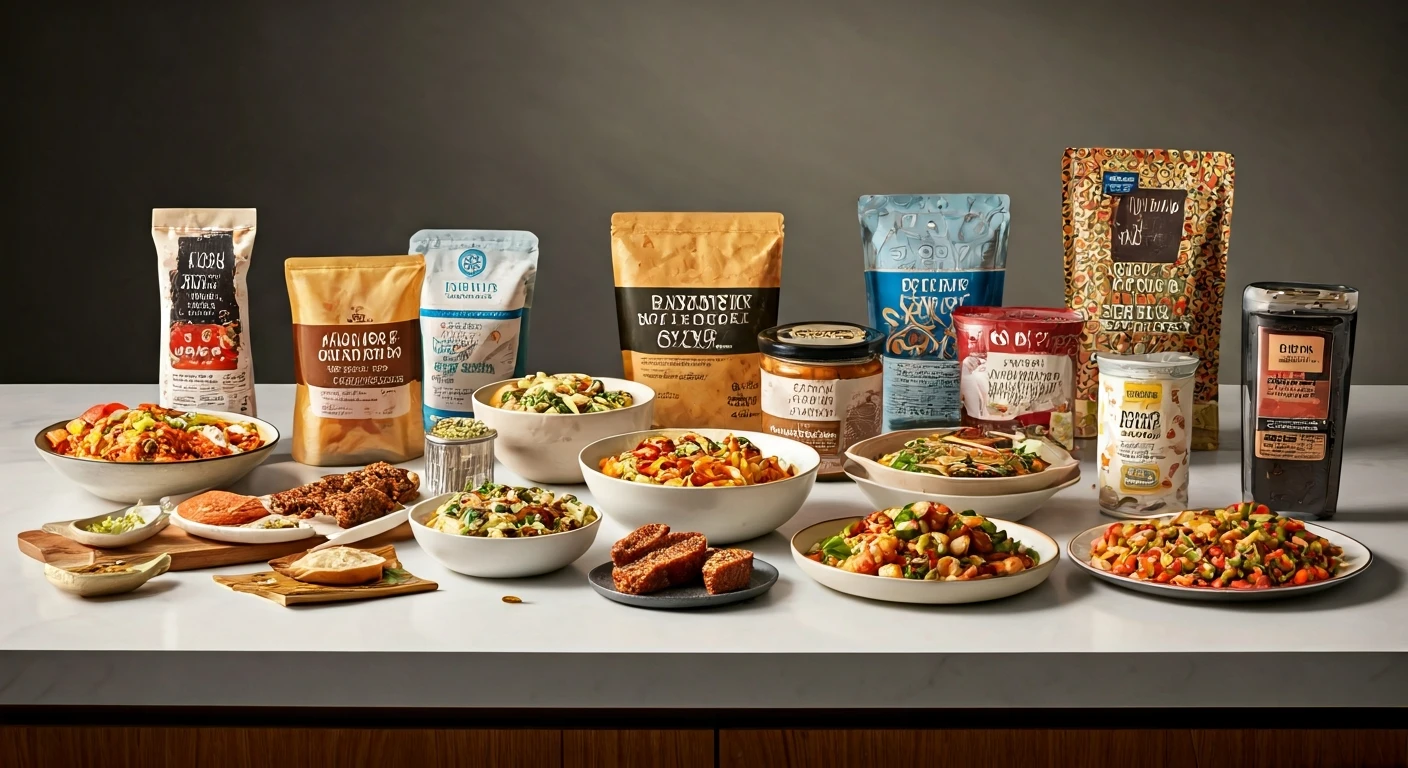
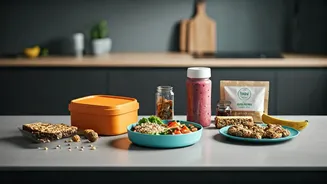
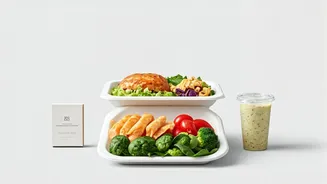
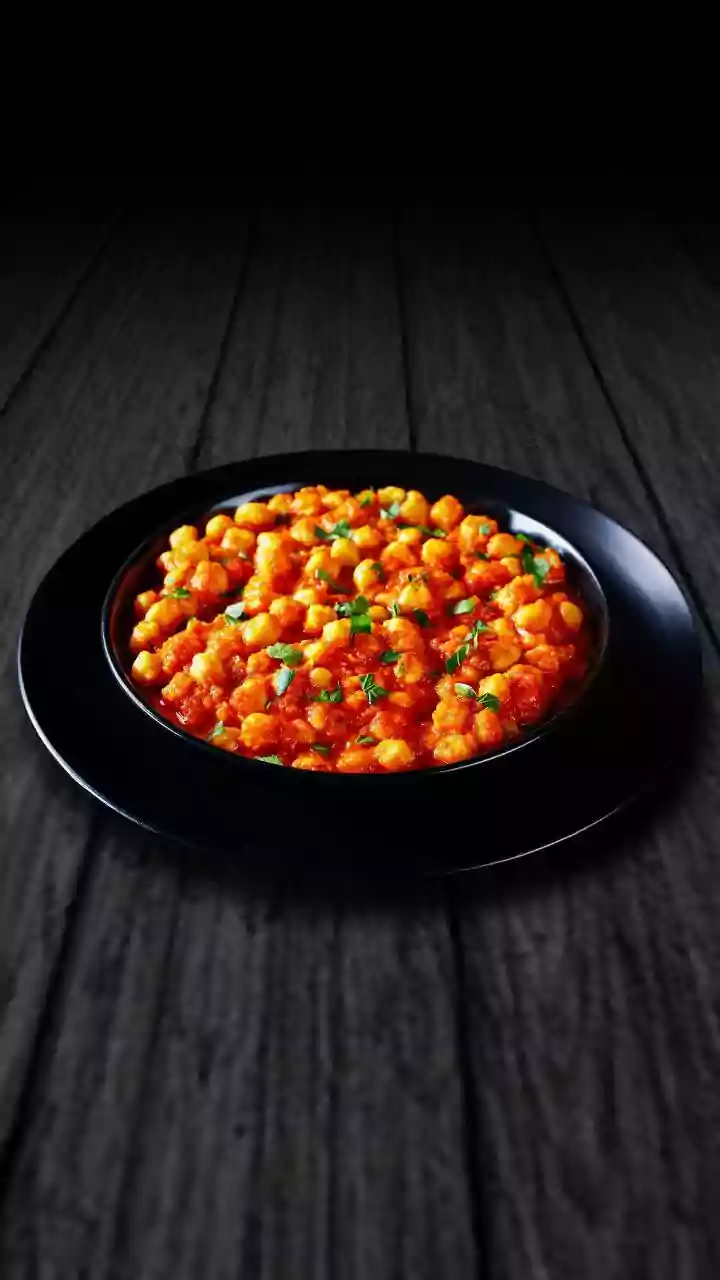
consumers, exposed to a world of culinary options through travel, food media, and a vibrant restaurant scene, have developed more sophisticated palates. They are no longer willing to trade flavor for speed. In response, the most successful packaged meal companies have become culinary innovators. They are moving beyond Italian-American and basic Chinese-American staples to embrace the complex, nuanced flavors of Thai, Vietnamese, Indian, and modern Mexican cuisine. They employ chefs, not just food scientists, to develop recipes. Ingredients once considered niche, like gochujang, quinoa, and coconut aminos, are now commonplace. The goal is no longer to create a blandly acceptable meal, but to replicate the quality and excitement of a dish from a fast-casual restaurant, all within a microwaveable tray.
From Low-Cal to 'Clean'
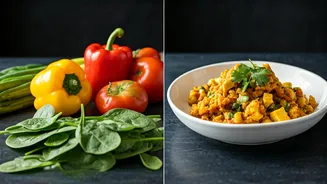
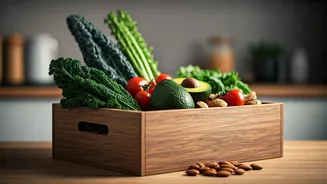
The definition of a “healthy” meal has undergone a radical transformation. In the past, health-conscious packaged meals were synonymous with diet culture: low-fat, low-sodium, and, most importantly, low-calorie. They were tools for weight management, often at the expense of both flavor and satisfaction. While calorie counts still matter to some, the focus has shifted dramatically toward a more holistic vision of wellness. The new health mandate is about the *quality* of the ingredients, not just the numbers on the nutrition label. Consumers now scan packaging for terms like “organic,” “non-GMO,” “grass-fed,” and “plant-based.” They are looking for “clean labels,” which means short, recognizable ingredient lists free from artificial preservatives, colors, and flavors. This shift reflects a broader cultural move away from restrictive dieting and toward a positive, proactive approach to nutrition. Brands like Daily Harvest and Kevin’s Natural Foods have built empires by promising meals made from whole, unprocessed foods, tapping into a consumer desire to feel good about what they eat, not just how it affects the scale.
Selling an Experience, Not Just a Meal
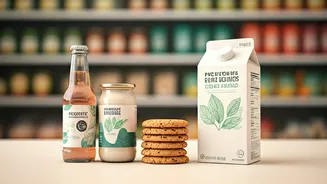
In a crowded marketplace, a delicious, healthy product is no longer enough. The final, and perhaps most crucial, piece of the puzzle is the “story.” Consumers, particularly Millennials and Gen Z, don't just buy products; they buy into brands. They want to know who is behind the food, what the company stands for, and how their purchase impacts the world. This has turned the back of the box into prime real estate for brand storytelling. We now see compelling founder narratives about a parent trying to create healthy meals for their family, or an entrepreneur’s personal health journey. We see commitments to sustainable sourcing, regenerative agriculture, or ethical labor practices. Brands use QR codes to link to videos of the farms where their vegetables are grown. This narrative layer does two things: it builds an emotional connection and provides a powerful justification for a premium price point. A simple frozen burrito is a commodity. But a frozen burrito made by a B Corp using ingredients from a family farm with a mission to improve soil health? That’s an identity statement.
The Forces Shaping Your Freezer Aisle
This trifecta of taste, health, and story didn’t emerge in a vacuum. It’s the direct result of powerful social and economic forces. The primary driver is the time-strapped consumer who is also highly health-conscious and digitally savvy. They need the convenience of a quick meal but refuse to compromise their values or their palate. They grew up with the Food Network and Instagram, where food is not just fuel but a form of entertainment and self-expression. Furthermore, the rise of direct-to-consumer subscription models has allowed new, story-driven brands to bypass the traditional gatekeepers of the grocery store, building a loyal following online before ever competing for freezer space. This has forced legacy brands like Stouffer's and Lean Cuisine to innovate, reformulate, and rebrand to stay relevant. The result is a more dynamic, diverse, and altogether more interesting packaged meal landscape for everyone.