



Understanding the Enemy: Why Paneer Gets Tough
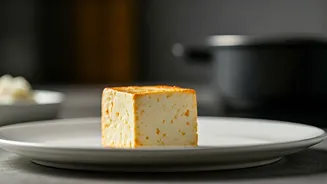
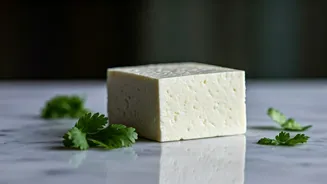
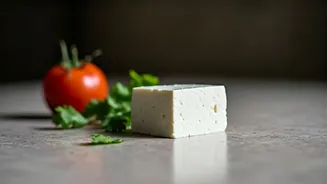
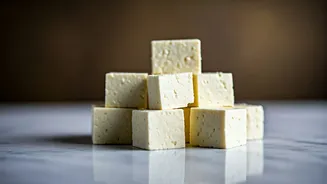
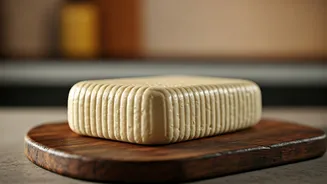
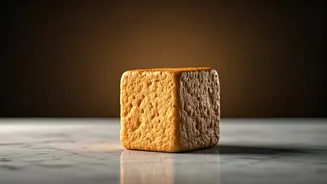
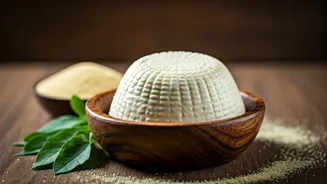
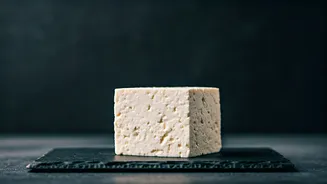
Before you can achieve perfectly soft paneer, it helps to understand why it often turns into a culinary disappointment. Paneer is a fresh, non-melting acid-set cheese. Its structure comes from milk proteins (casein) that have been coagulated and pressed
together. When you buy a block of vacuum-sealed paneer from the grocery store, it has already lost some of its initial moisture and can be quite firm. The real problem, however, arises from heat. When paneer is cooked too long or at too high a temperature, those tightly-knit proteins squeeze together even more, forcing out whatever moisture is left. The result? A texture that’s less like a delicate cheese and more like a rubber pencil eraser. That familiar squeak against your teeth is the sound of overcooked, dehydrated protein. The goal, then, is not just to add moisture back in, but to cook it in a way that preserves its delicate texture.
The Golden Rule: Start with a Hot Water Soak
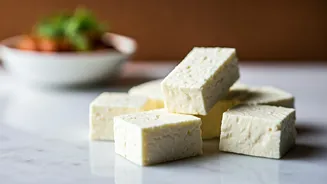
This single step will transform your paneer game more than any other. It works wonders on the dense, firm blocks typical of U.S. grocery stores. Before you do anything else with your paneer, give it a bath. Cut your block into cubes or slabs as your recipe requires. Then, place them in a bowl and cover them with hot (not boiling) water. Let them soak for 15 to 20 minutes. For an extra flavor boost, add a generous pinch of salt to the water. This process does two magical things. First, it rehydrates the cheese, coaxing moisture back into the protein structure and immediately softening it. Second, it gently warms the paneer through, meaning it will require less time in a hot pan or simmering sauce to cook, reducing the risk of overcooking. After soaking, simply drain the paneer and gently pat it dry with a paper towel before proceeding with your recipe. You will be amazed at the difference in texture before it even hits the pan.
Rethink Your Frying Method
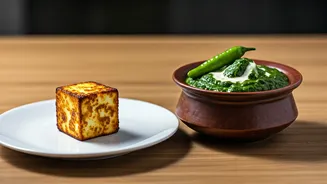
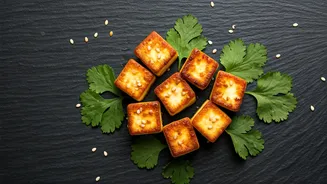
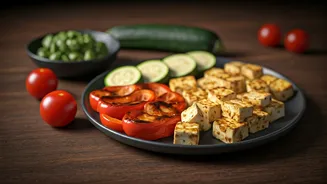
Many recipes call for frying paneer cubes until they are golden brown on all sides. While this adds a nice crust, it’s also the primary stage where home cooks accidentally turn their paneer into rubber. The prolonged exposure to the dry, high heat of a frying pan is precisely what squeezes the moisture out. Instead of aiming for a deep, uniform brown, try a quick sear. Use a non-stick skillet with a bit of ghee or oil over medium-high heat. Add the soaked and dried paneer cubes in a single layer and pan-fry them for just 30-45 seconds per side—just enough to get a touch of color. Then, remove them immediately. An even better option for many curries? Don't fry it at all. For dishes like palak paneer or paneer butter masala where the cheese is swimming in a rich gravy, you can add the soaked cubes directly to the sauce. This brings us to the next critical step.
Let the Gravy Do the Work
Timing is everything. Never add paneer at the beginning of the cooking process. Your gravy or sauce should be fully cooked, seasoned, and ready to serve *before* the paneer joins the party. Adding the cheese too early means it will boil away in the sauce, getting progressively tougher with each passing minute. The correct method is to add your soaked (and optionally, lightly fried) paneer cubes during the last 1-2 minutes of cooking. Stir them in gently and let them simmer just long enough to absorb the flavors of the sauce and heat through. The ambient heat of the gravy is more than enough to cook the paneer without turning it tough. Once the paneer is in, turn off the heat and let the dish rest for a few minutes before serving. This allows the cheese to become one with the sauce, resulting in a harmonious and delightfully soft bite.