






A Tradition Reimagined for Today
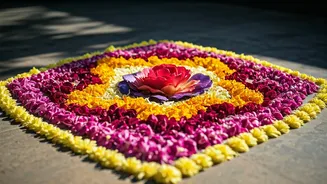
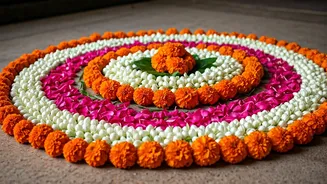
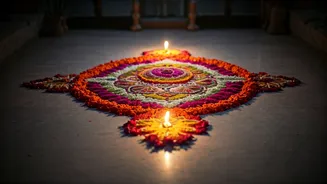
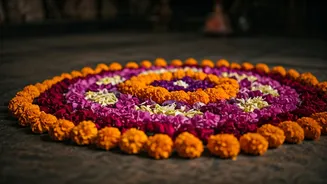
Rangoli is a cherished art form in India, where intricate patterns are created on the ground using materials like colored powder, rice, or flower petals. Known as 'Pookalam' in Kerala during the Onam festival, floral rangolis are especially significant,
symbolizing beauty, purity, and transience. Traditionally, fresh flowers were used, but a powerful new movement is breathing sustainable life into this practice. In India, millions of tons of flowers offered at temples daily are often discarded. Social enterprises and local communities have begun upcycling this fragrant “waste” into everything from incense to dyes. You can channel this same spirit at home by creating a zero-waste rangoli that’s both beautiful and eco-conscious.
Gathering Your Sustainable Palette
While you might not live near a temple with heaps of discarded marigolds and roses, the principle remains the same: use what would otherwise be thrown away. This is your chance to get creative with sourcing. - **Your Own Garden:** Collect fallen petals, wilted blooms, or trimmings that are past their prime. - **Old Bouquets:** Don't toss that fading bouquet. Deconstruct it and separate the petals by color. - **Local Florists or Event Venues:** Ask if they have any flowers they are about to discard. Many are happy to give away blooms that can no longer be sold. - **Neighbors' Gardens:** With permission, gather fallen flowers from neighbors’ yards. Look for a variety of colors and textures. Marigolds (yellow, orange), roses (red, pink, white), chrysanthemums (various colors), and even green leaves or buds can create a stunning palette.
Step 1: Prepare Your Canvas and Design
First, choose your location. This could be a clean spot on a porch, a patio, a hallway floor, or even a large piece of cardboard or a tray if you want it to be portable. Traditionally, rangolis are made on the ground near the entrance of a home to welcome guests and positive energy. Once you have your spot, lightly sketch your design with a piece of chalk. Don’t aim for perfection. Simple geometric shapes—circles, concentric rings, squares, or starbursts—are incredibly effective. You can also find countless simple patterns online. The goal is to create a guide for your petals, not a rigid blueprint.
Step 2: Process Your Flowers
This is a wonderfully meditative step. Sit with your collected flowers and begin separating the petals from the stems and buds. Create small piles of petals sorted by color. This will be your 'paint.' If you have leaves, you can use them whole for borders or chop them finely to create a green 'powder.' Keep the stems and any other organic matter aside for your compost pile. The simple, repetitive motion of sorting petals is a calming activity that connects you to the materials you're about to use.
Step 3: Fill Your Creation with Color
Now for the magic. Begin filling in your chalk outline with the petals. A common technique is to work from the center outwards, or to create the outer border first to define the space. There are no strict rules. You can create solid blocks of color, gradient effects by mixing petals, or intricate lines. Use your fingers to gently place or sprinkle the petals. Use darker colors for outlines and brighter shades for filling to make your design pop. Incorporate leaves, small buds, or even natural powders like turmeric (yellow) or kumkum (red) for fine details. Embrace the imperfections; the beauty of a floral rangoli lies in its natural, handmade quality.
Step 4: The Zero-Waste Finish
Your rangoli will be a temporary masterpiece, lasting a day or two before the petals begin to wilt and fade. This transient nature is part of its charm, a reminder of the cycle of life. When you are ready to clean up, simply sweep all the organic materials together. Instead of throwing them in the trash, add them to your compost bin or sprinkle them in your garden bed. The flowers will decompose and return their nutrients to the soil, completing the zero-waste cycle. You've created beauty, celebrated a tradition, and left nothing behind but rich soil for future growth.