





Go Beyond the 10-Day Forecast
Relying on a short-term forecast when booking a trip months in advance is like guessing lottery numbers. The real power move is to think like a climatologist. Instead of asking, “What will the weather be like in Rome in July?” ask, “What has the climate
trend been for Rome in July over the past five years?” Historic data reveals patterns that a simple weather app won't. You’ll quickly see that July in Southern Europe is now a gamble with extreme heat. Use online climate data portals to look at average temperature, rainfall, and sunshine hours for your potential destination. This long-range view allows you to identify destinations that are statistically more likely to offer the pleasant conditions you’re seeking, turning a potential weather disaster into a predictable and enjoyable trip.
Master the Art of the Shoulder Season
The “shoulder seasons”—the months just before and after the peak tourist season (typically April-May and September-October)—have long been a budget traveler's secret. But now, they are a core component of weather strategy. The primary benefit is no longer just fewer crowds and lower prices; it’s better weather. As summers get punishingly hot in popular destinations, the shoulder seasons often deliver the climate that travelers were hoping for in the first place. A trip to the Greek Islands in September offers warm seas without the scorching August sun and oppressive crowds. Exploring Lisbon in May means pleasant, sunny days perfect for walking, a stark contrast to the sweltering heat of July. By targeting these off-peak windows, you align your travel with the most temperate, comfortable weather of the year.
Build a Flexible, Weather-Proof Itinerary
The rigidly scheduled vacation is dead. A modern, weather-proof itinerary requires flexibility. For each day of your trip, create a “Plan A” and a “Plan B.” Plan A is for your ideal sunny day: the beach trip, the long hike, the boat tour. Plan B is for the inevitable rainy or unexpectedly cold day: the world-class museum you wanted to see, the cooking class you bookmarked, the cozy historic pub perfect for a long lunch, or the indoor market. By having appealing alternatives ready, a rainy day no longer feels like a catastrophe but simply a pivot. This approach reduces the stress of a bad forecast and ensures you’re never left scrambling for something to do when the weather doesn't cooperate with your primary plans.
Upgrade Your Digital Weather Toolkit
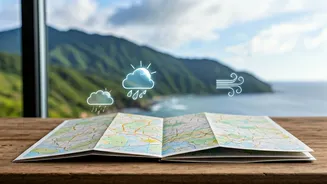
Your phone's default weather app is a starting point, not a complete solution. A true weather strategist builds a toolkit. Download apps that offer more granular data. A radar app like MyRadar or RadarScope provides real-time precipitation maps, letting you see exactly when a rain shower will start and end, allowing you to time your coffee break perfectly. For outdoor adventurers, apps that provide detailed information on wind speed, UV index, and air quality are essential. In an era of increasing wildfires, checking the Air Quality Index (AQI) via an app like AirNow is as important as checking for rain, especially when traveling in the American West during the summer and fall.
Embrace the 'Bad' Weather Destination
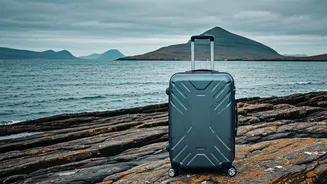
Here's the expert-level move: lean into the weather. Instead of avoiding rain or clouds, seek out destinations that are enhanced by them. The moody, atmospheric beauty of the Scottish Highlands or Ireland’s Wild Atlantic Way is arguably more profound under a blanket of mist and cloud than under a bright sun. A winter trip to a city like Prague or Vienna, with snow dusting the historic architecture and cozy cafes on every corner, can be far more magical than a crowded summer visit. This contrarian strategy flips the script, turning what most travelers see as a negative into the very reason for the trip. It’s about finding the beauty in the elements and experiencing a place on its own terms.