





A Warning from the Mango Capital
The alert comes from the Food Safety and Standards Authority of India (FSSAI), the country's top food regulator. In a widely circulated advisory, the FSSAI cautioned traders, food vendors, and consumers against the use of calcium carbide for artificially
ripening mangoes. This isn't a new concern, but the agency has amplified its efforts this season, conducting nationwide surveillance and enforcement drives to crack down on the illegal practice. The warning specifically targets a shortcut used by some sellers to make mangoes appear ripe and ready for sale long before they naturally would be. Given that India produces nearly half of the world's mangoes, any disruption or safety concern in its domestic market sends ripples of interest across the globe, even if the direct impact is localized.
The Dangers of 'Carbide Ripening'
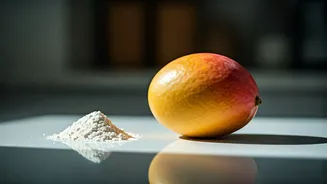
So, what’s the big deal with calcium carbide? This industrial-grade chemical is primarily used in welding and for producing fertilizers. When it comes into contact with moisture, it releases acetylene gas, which mimics the effect of ethylene, the natural plant hormone that causes fruit to ripen. However, the process is far from harmless. Commercial calcium carbide often contains impurities like arsenic and phosphorus hydride, both of which are toxic to humans. The FSSAI warns that consuming fruits ripened this way can lead to a range of health issues, from mild stomach upset, dizziness, and headaches to more severe neurological problems with prolonged exposure. The acetylene gas can irritate the throat and lungs, and direct contact with the chemical can cause skin burns. Because this method ripens the fruit cosmetically from the outside in, the mango often remains raw and sour on the inside, creating a disappointing—and potentially dangerous—eating experience.
How to Spot a Chemically Ripened Mango
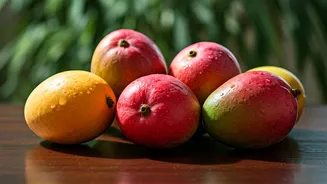
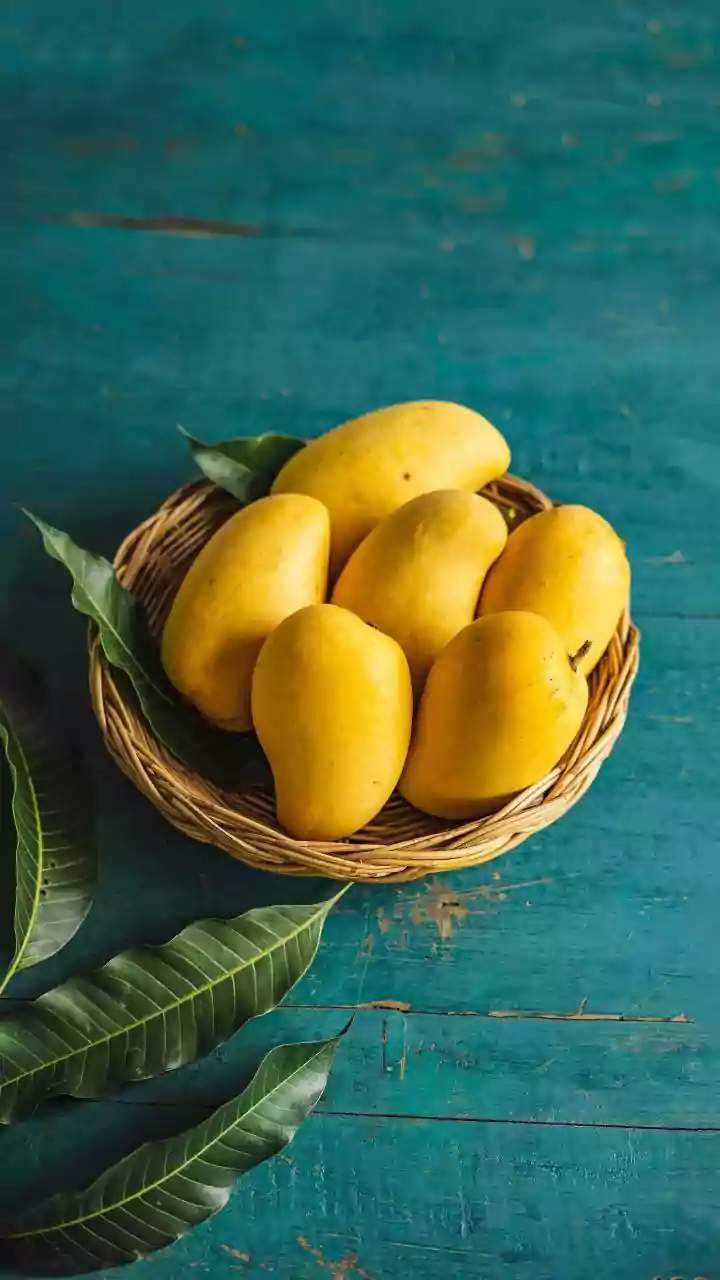
As part of its public awareness campaign, the FSSAI has provided tips for consumers to identify mangoes that may have been artificially ripened. While these are geared toward shoppers in Indian markets, they offer useful insights into what a naturally ripened fruit should look and feel like. One key indicator is color. A chemically ripened mango often has a uniform, bright yellow or orange exterior but may have green patches and will be pale on the inside. Naturally ripened mangoes have a more blended, uneven color gradient. Another giveaway is the aroma; a naturally ripened mango has a sweet, enticing smell, while a carbide-ripened one may have little to no scent. You can also try the “bucket test.” A naturally ripened mango will typically sink in a bucket of water, whereas a chemically ripened one is more likely to float. Finally, the taste is a dead giveaway: artificial ripening produces a fruit that might be slightly sweet but often has a lingering, unpleasant aftertaste.
Should U.S. Consumers Be Concerned?
For mango lovers in the United States, this news is more of a fascinating and cautionary tale than a direct threat. The mangoes you buy at your local grocery store, whether from Mexico, Peru, Brazil, or even India, are subject to stringent regulations set by the U.S. Department of Agriculture (USDA) and the Food and Drug Administration (FDA). Fruit imported into the U.S. must meet rigorous safety standards. Specifically for Indian mangoes, which are highly sought after for their unique flavor profiles, there is an additional layer of protection. They must undergo irradiation treatment to eliminate pests before being cleared for import, a process overseen by both Indian and U.S. officials. This entire system is designed to catch safety issues long before they reach American shelves. The FSSAI warning is a crucial consumer protection measure for the domestic Indian market, but it also serves as a valuable reminder of the complexities of global food supply chains and the importance of robust regulatory oversight everywhere.