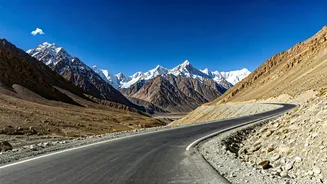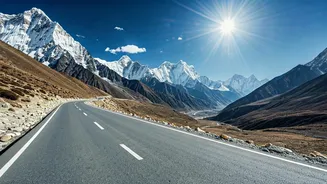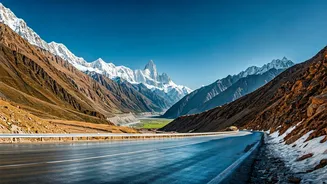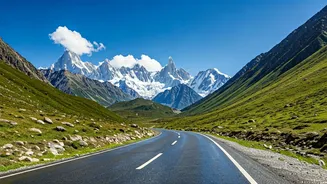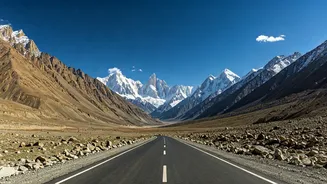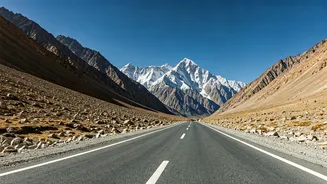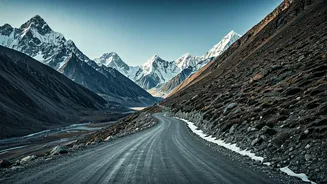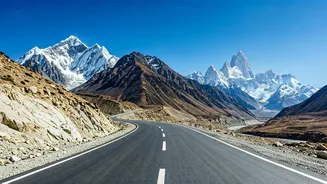



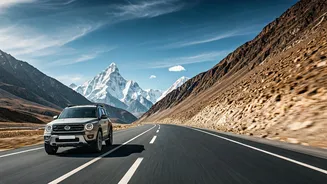
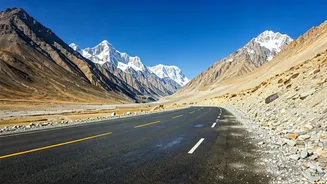


The Road of High Passes
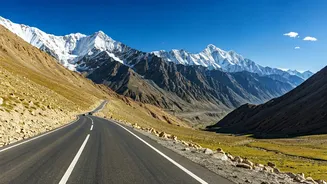
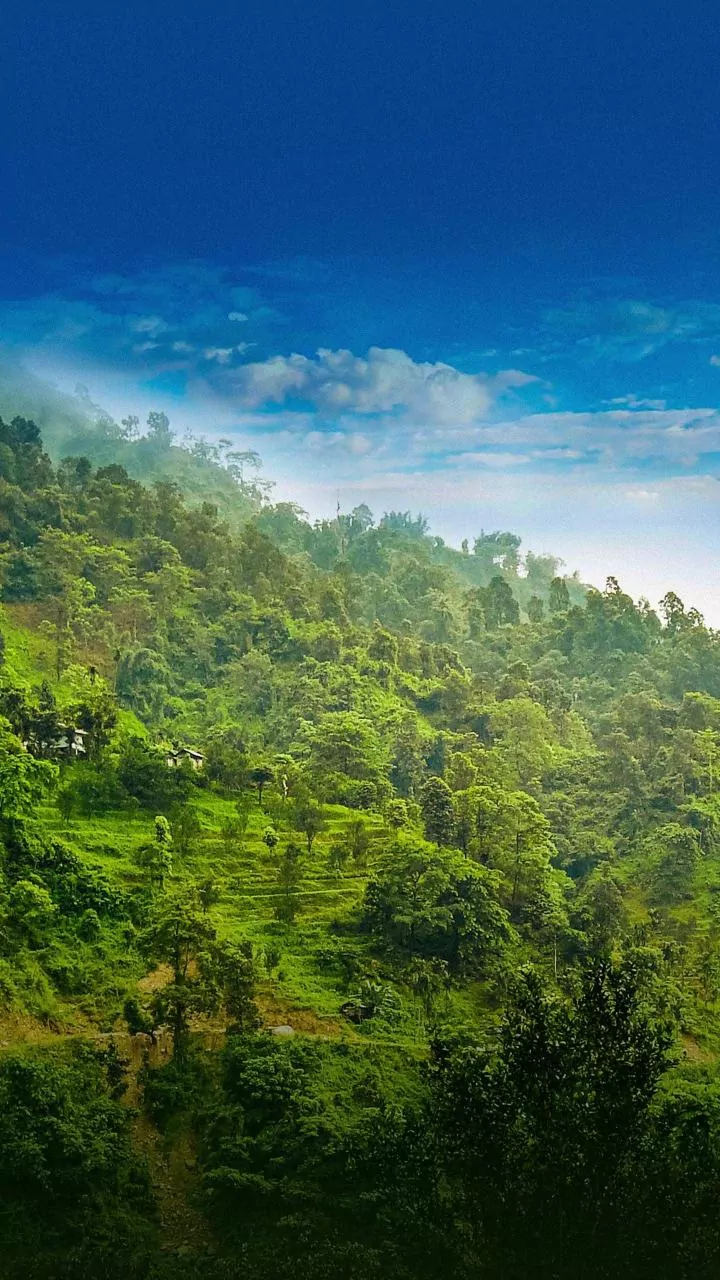
Forget your typical scenic drive. The Manali-Leh Highway isn't just a road; it's an epic. Stretching nearly 300 miles across the roof of the world, this route connects the lush, green Kullu Valley in Himachal Pradesh with the stark, high-altitude desert
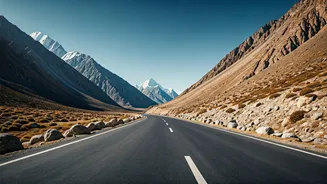
of Ladakh. For about eight months of the year, it's completely impassable, buried under dozens of feet of snow. Each spring, India’s Border Roads Organisation (BRO) undertakes a Herculean task, using massive snow cutters and bulldozers to carve a path through glacial ice and avalanche debris. The highway crosses several of the world's highest motorable passes, including the famed Rohtang Pass (13,058 ft) and Baralacha La (16,040 ft). It’s a journey that takes you from verdant pine forests to barren moonscapes, all within a two-day drive that feels like a voyage to another planet.
Why June is the Sweet Spot
While the highway might stay open until October, June offers a unique and arguably superior experience. Think of it as the 'Goldilocks' month. Firstly, you get to witness the spectacle of the road itself. In early June, the BRO’s handywork is on full display, with drivers navigating through massive walls of snow, sometimes towering 20-30 feet on either side of the road—a surreal and photogenic experience that melts away by mid-summer. Secondly, the weather is near perfect. The treacherous monsoon rains that swamp northern India from July onwards haven't arrived yet, meaning clearer skies and a lower risk of landslides on the Manali side. Meanwhile, Ladakh, which lies in a rain shadow, is bathed in brilliant sunshine. Finally, you beat the peak tourist rush of July and August. You’ll find more open roads, easier accommodation bookings, and a greater sense of solitude in one of the most breathtaking landscapes on Earth.
The Journey Itself: Key Highlights
This isn't a trip to be rushed. The standard itinerary takes two days with an overnight stop, usually in Jispa or Sarchu, to help with altitude acclimatization. The first leg of the journey takes you from the bustling town of Manali up the winding road to the Rohtang Pass. After descending, the landscape begins to transform. You’ll pass through the remote Lahaul Valley, a rugged region of sparse vegetation and glacial streams of an impossibly vibrant turquoise. The second day is even more dramatic. You'll tackle the Gata Loops, a dizzying series of 21 hairpin bends that climb up a desolate canyon wall. The route continues over more high passes, including Lachung La (16,616 ft) and Tanglang La (17,480 ft), one of the highest points on the journey. As you descend toward the Indus Valley, the scenery shifts again, with Buddhist monasteries, or 'gompas,' clinging to cliffsides, signaling your arrival in the cultural heart of Ladakh.
Adventure With a Dose of Reality
A trip on the Manali-Leh Highway is an accessible adventure, but it requires smart planning. The biggest challenge is altitude. Acclimatizing properly is non-negotiable to avoid Acute Mountain Sickness (AMS), which can be serious. This means spending a night or two in Manali (6,726 ft) before you start, and planning an overnight stop halfway. Stay hydrated, avoid alcohol, and listen to your body. Most travelers opt to hire a 4x4 vehicle with an experienced local driver. They are experts at navigating the rough patches, unpredictable weather, and dizzying passes. Self-driving is possible, but only recommended for those with significant experience in extreme mountain conditions. You'll need an Inner Line Permit for some areas in Ladakh, which your driver or a local travel agent can easily arrange. Pack layers, as temperatures can swing wildly from scorching sun in the valleys to freezing cold on the passes.