

The Call of the Mountains
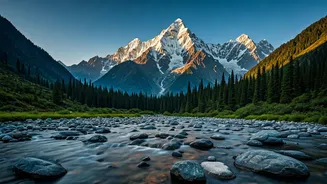
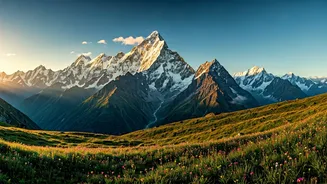
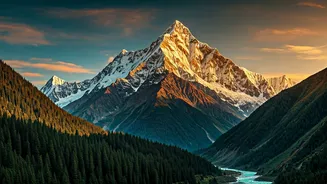
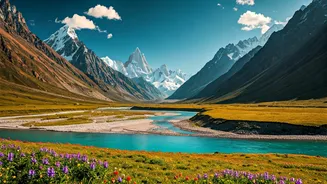
For decades, the Indian state of Himachal Pradesh has been synonymous with escape. Its snow-capped peaks, lush green valleys, and winding rivers offer a dramatic contrast to the bustling plains and crowded cities where many of India's—and the world's—youth
reside. This mountainous region has long been a key stop on the global backpacker circuit, but two towns in particular have cemented themselves as the twin pillars of this modern-day pilgrimage: Manali and Kasol. They aren't just dots on a map; they are cultural phenomena, representing a blend of breathtaking nature, low-cost adventure, and a potent sense of freedom that continues to attract a steady stream of young people from across the globe.
Manali: The Adventure Gateway
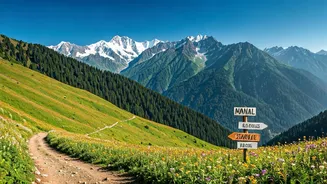
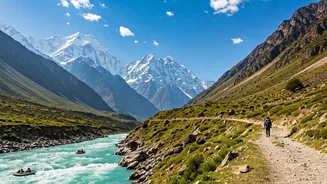
Manali is the more established and accessible of the two hubs. Situated on the banks of the Beas River, it’s a bustling town that serves as the primary gateway to adventure in the Kullu Valley and beyond. For many, Manali is the first taste of the high Himalayas. Its appeal is broad and action-packed. The nearby Solang Valley is a playground for paragliding and zorbing, while the treacherous but stunning Rohtang Pass (when open) offers a route to the even more remote landscapes of Lahaul and Spiti. The town itself is a vibrant mix of traditional Himachali culture and modern tourist infrastructure, with cafes, gear shops, and guesthouses catering to every budget. Manali is the energetic older sibling—a place where you can organize a multi-day trek, go white-water rafting, and enjoy a lively evening at a downtown pub, all in the same trip. It’s the perfect launchpad for those seeking adrenaline-fueled experiences against a spectacular mountain backdrop.
Kasol: The Parvati Valley Enigma
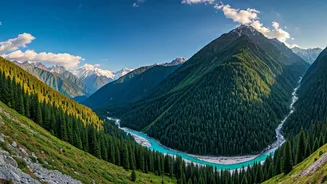
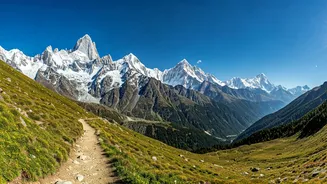
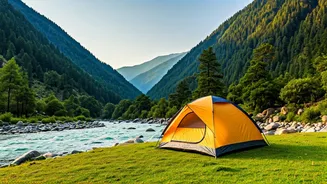
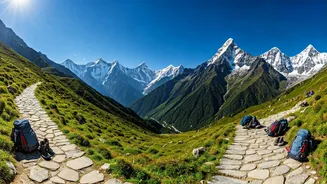
A few hours away from Manali lies Kasol, a smaller, more enigmatic destination nestled deep within the Parvati Valley. If Manali is about high-octane adventure, Kasol is about the vibe. Often called the "Mini-Israel of India" due to the large number of Israeli backpackers who have made it a home away from home, Kasol has a distinct counter-cultural feel. Hebrew signs hang outside bakeries selling shakshuka and pita, and the pace of life slows considerably. Kasol serves as the base camp for exploring the mystical Parvati Valley, renowned for its legendary multi-day treks to Kheerganga, with its natural hot springs, and other remote villages like Tosh and Malana. The valley is also famous for its psychedelic trance music scene, with festivals and parties tucked away in the forest, creating an atmosphere of bohemian seclusion. Kasol attracts a traveler seeking a more introspective, community-oriented experience, content to spend days hiking, sitting in riverside cafes, and soaking in the valley's serene, almost spiritual, energy.
A Tale of Two Vibes
While often spoken of in the same breath, the two towns offer distinctly different flavors of the Himachali experience. Manali is the extrovert—an all-in-one destination for families, honeymooners, and adventure junkies. Its commercial success has made it more developed, with better infrastructure but also larger crowds. Kasol, by contrast, is the introvert's escape. Its charm lies in its relative remoteness and its niche, laid-back culture. You go to Manali to *do* things; you go to Kasol to *be*. Many young travelers start in Manali for the thrill and then migrate to Kasol to decompress, finding a different kind of magic in the Parvati Valley’s quiet corners. This duality is part of their combined strength; they offer a complete spectrum of the Himalayan backpacker experience, from the adrenaline rush to the spiritual comedown.
An Enduring Rite of Passage
So why do they remain such powerful magnets? The answer lies beyond just pretty scenery. For many young Indians and international travelers, a trip to Manali and Kasol is a rite of passage. It represents a first taste of independence, an opportunity to travel on a tight budget, and a chance to connect with a community of like-minded wanderers. In an increasingly structured and digital world, these towns offer a tangible sense of freedom and unpredictability. The unreliable cell service becomes a feature, not a bug, forcing visitors to engage with their surroundings and each other. The raw, unfiltered beauty of the Himalayas, combined with a culture that champions exploration and self-discovery, ensures that Kasol and Manali will continue to be the starting point for countless adventures for years to come.