



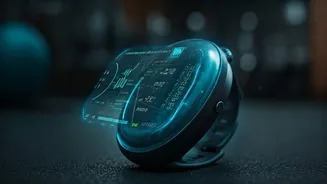

What Are 'Preventive Diagnostics'?
For previous generations, preventive health meant an annual physical, maybe a flu shot, and a reminder to eat your vegetables. For a growing, digitally native segment of Gen Z, it’s a whole different ballgame. We’re talking about a suite of tools and services
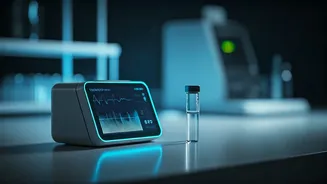
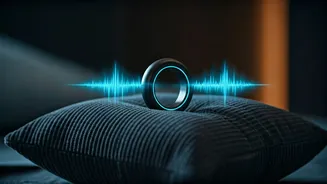
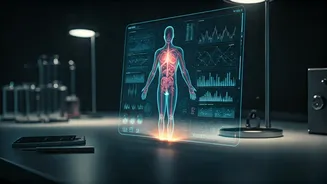
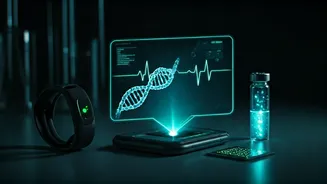
designed to provide a continuous stream of information about what’s happening inside your body, long before symptoms of illness might appear. This isn't just about counting steps. It’s about biomarker tracking through at-home blood tests, analyzing sleep quality with high-tech rings, monitoring metabolic health with continuous glucose monitors (even if you’re not diabetic), and delving into your genetic predispositions with DNA kits. The goal is to move healthcare from a reactive model—fixing problems as they arise—to a proactive one: identifying and heading off potential issues decades in advance. The underlying philosophy is simple: if you can measure it, you can manage it.
The Data-Driven Mindset
So, why is this trend taking root so strongly with the under-30 crowd? It’s a perfect storm of cultural and technological factors. Gen Z is the first generation to have grown up with the internet in their pocket. They are fluent in the language of data, apps, and user interfaces. The idea of tracking personal metrics—from screen time to Spotify listening habits—is completely normal. Applying that same logic to their own biology feels like a natural next step. Furthermore, this is a generation shaped by anxiety. They’ve navigated a pandemic, economic uncertainty, and a constant firehose of information about global crises. This has fostered a deep-seated desire for control. While they can’t control the global economy, they feel they *can* control their personal health through information and intervention. It’s a form of bio-hacking that doubles as a coping mechanism, turning the amorphous fear of getting sick into a solvable, data-driven project.
The New Wellness Toolkit
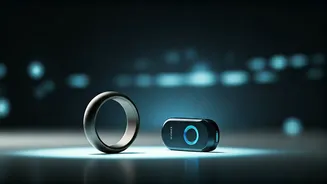
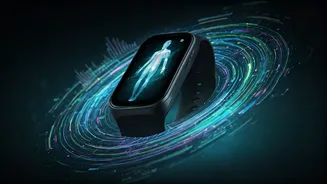
The market has been quick to cater to this new demand with a dazzling array of direct-to-consumer products. Wearables like the Oura Ring and Whoop band have transcended the fitness niche to become mainstream status symbols for the health-conscious, tracking everything from heart rate variability to sleep cycles. Companies like InsideTracker and Everlywell offer subscription services for at-home blood tests that analyze dozens of biomarkers, from Vitamin D levels to cholesterol, providing a detailed dashboard of your internal health. Continuous Glucose Monitors (CGMs), once reserved for diabetics, are now being adopted by wellness enthusiasts to see how their bodies react to certain foods in real-time. And services like 23andMe have normalized genetic testing, offering insights into ancestry alongside reports on genetic health risks. Together, these tools form a new ecosystem of personal health surveillance, promising a level of bodily awareness that was once the exclusive domain of elite athletes and medical researchers.
The Price of Living Forever
While the promise of a longer, healthier life is alluring, this trend isn’t without its critics and complications. The most obvious barrier is cost. Most of these devices and services are expensive and not covered by insurance, creating a new dimension of health inequality where the affluent can afford to 'optimize' while others can’t. There's also the psychological toll. Constant monitoring can breed a new kind of health anxiety, where every minor fluctuation in data is perceived as a potential catastrophe. Doctors worry about a deluge of patients armed with app data, demanding explanations for normal variations and leading to unnecessary and costly follow-up tests. This phenomenon, sometimes called 'cyberchondria,' turns the pursuit of health into a source of stress. The 'live forever' headline is, of course, hyperbole. What’s really being sold is not immortality, but the illusion of total control over the one thing that remains fundamentally unpredictable: life itself.