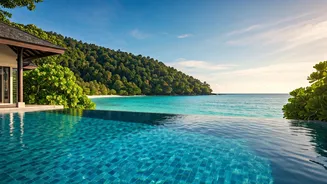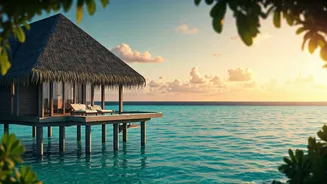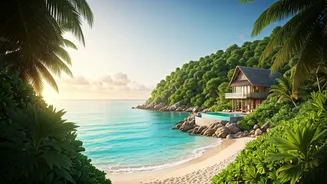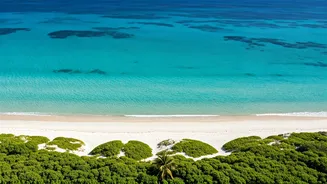




The Vibe: Emerald Green and Moody Skies
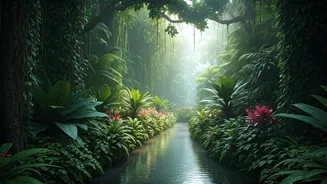
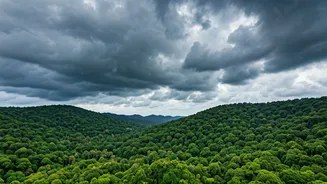
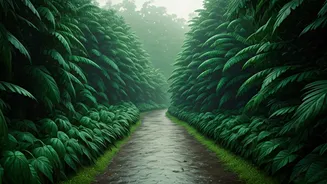
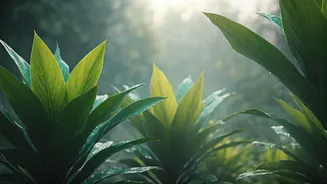
From May to September, the southwest monsoon transforms the Andaman archipelago. The sun-bleached landscapes of peak season give way to a breathtaking, almost impossibly lush emerald green. The sky becomes a dramatic canvas of moody gray clouds that part
for moments of brilliant, soft sunlight. This isn't the oppressive, non-stop deluge you might fear; it's often a cycle of intense but brief downpours followed by hours of calm. The soundtrack is not the buzz of beach shacks and tourist chatter, but the rhythmic drumming of rain on a tin roof and the roar of a revitalized ocean. It's a contemplative, introspective atmosphere, where the islands feel wilder and more primordial. The crowds of December are gone, replaced by a handful of discerning travelers who chose this exact experience.
The Great Trade-Off: What You Gain and Lose
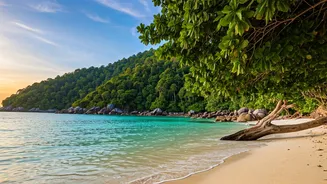
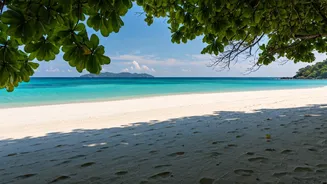
Choosing the monsoon season is an exercise in trade-offs. What you lose is certainty. You won't get ten straight days of perfect sun for sunbathing. Scuba diving and snorkeling are largely off the table, as water visibility plummets and many dive shops close for the season. Some beaches may have rougher surf, making them less ideal for casual swimming. But what you gain can be far more valuable. You gain solitude. You’ll have stunning beaches like Radhanagar on Swaraj Dweep (Havelock Island) almost to yourself. You gain significant savings, with accommodation and sometimes even flight prices dropping by 30-50%. Most importantly, you gain an authentic connection to the place, seeing it breathe and regenerate without the performative energy of high tourist season.
Your Monsoon Itinerary: Slow Living Perfected
A monsoon trip to the Andamans requires a shift in mindset from “doing” to “being.” This isn’t the time for a packed schedule of water sports. Instead, it’s the perfect opportunity to embrace slow travel. Start your morning with a hot cup of tea on a covered veranda, watching the rain sweep across the jungle. Spend afternoons curled up with a book you’ve been meaning to read for years. Rent a scooter and explore the rain-washed roads, discovering empty coves and glistening paddy fields. Many high-end resorts offer fantastic spa deals, making it the ideal time for massages and wellness treatments. The cafe culture on islands like Swaraj Dweep thrives, offering cozy havens to wait out a shower with good coffee and food. It’s a trip for photographers who love dramatic light, writers seeking inspiration, and couples wanting to simply reconnect away from the world.
Island Hopping: A Reality Check
Logistics are the most critical part of planning a monsoon visit. While the main islands like Port Blair, Swaraj Dweep (Havelock), and Shaheed Dweep (Neil) remain connected by ferries, schedules can be less frequent and more susceptible to weather-related delays or cancellations. Both government and private ferries operate, but it’s wise to build buffer days into your itinerary. Don’t plan a tight connection. Traveling to more remote outposts like Long Island or the North Andamans becomes significantly more challenging and is not recommended for first-time visitors during this season. Stick to the main tourist triangle, book your accommodation in advance (as some places do close), and stay in touch with your hotel and ferry operator about conditions. A flexible attitude is not just a suggestion; it’s a requirement.
Is This Quiet Getaway Right for You?
Ultimately, a monsoon trip to the Andamans is for a specific kind of traveler. If your vacation ideal involves high-energy parties, a packed schedule of adventure sports, and a guaranteed tan, this is not the trip for you. You will likely be frustrated by the weather and the slower pace. But if you are someone who finds beauty in a storm, seeks peace and quiet over crowds, and loves the idea of seeing a destination in its most natural, unadorned state, then you may have just found your perfect version of paradise. It’s for the reader, the writer, the artist, and the traveler who has seen enough crowded beaches and is looking for a deeper, more personal experience with nature.