


The Allure of the “Queen of Hills”
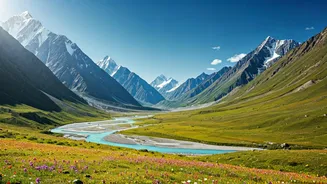
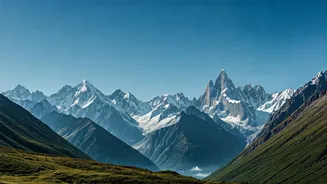
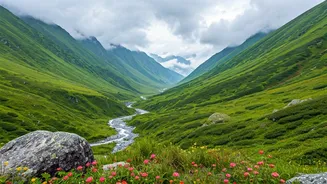
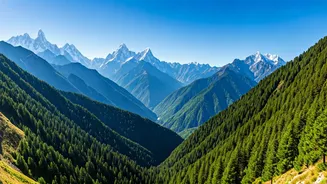
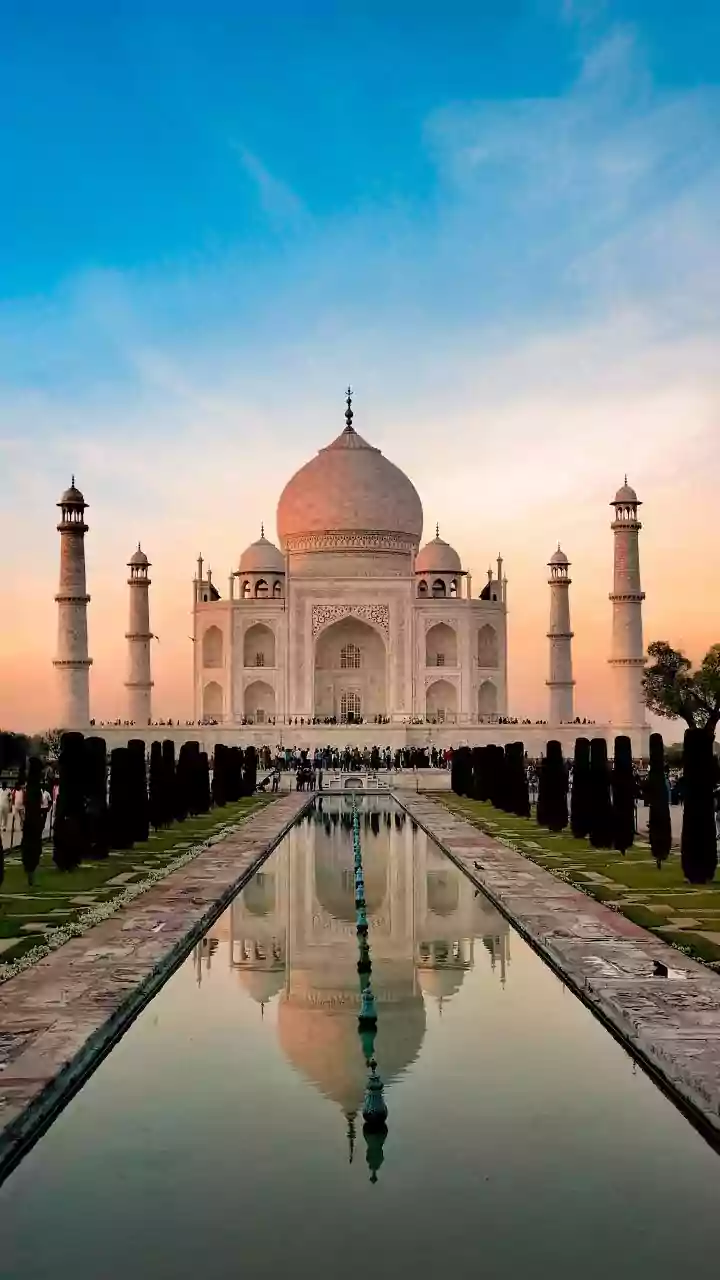
For Americans, India might conjure images of the Taj Mahal or the bustling streets of Mumbai. But for centuries, when the heat of the northern plains became unbearable, elites have looked to the mountains. Nestled in the foothills of the Himalayas, Shimla
holds a special place in the country’s imagination. Once the official summer capital of British India, it was a high-altitude refuge where colonial administrators governed in cooler climes. That history is etched into its very bones: in the neo-Gothic Christ Church, the mock-Tudor facades lining the Mall Road, and the stately Viceregal Lodge, where pivotal decisions about the subcontinent's future were made. This isn't just a town with pretty views; it's a living museum perched at 7,000 feet, offering a unique blend of Indian culture and British imperial history.
The New Weekend Ritual
Today, a new kind of exodus is underway, and it happens every Friday. As the work week ends in megacities like Delhi and Chandigarh, a wave of travelers heads for the hills. Thanks to improved highways that have cut travel time, the drive to Shimla has become a manageable weekend pilgrimage. The result? A massive surge in weekend tourism that is transforming the town’s rhythm. Local reports consistently describe weekend hotel occupancy rates soaring to 80-90%, with luxury properties often completely sold out. This isn't the slow, meandering tourism of the past. It’s a fast-paced, high-demand phenomenon driven by a young, affluent professional class eager to trade city smog for mountain mist, even if just for 48 hours. The influx is so predictable that the winding roads leading into town are often choked with traffic—a modern-day sign of the town's enduring appeal.
Redefining Himalayan Luxury
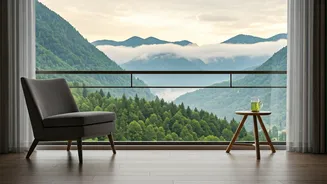
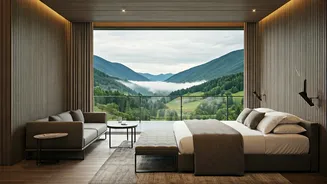
This boom isn’t just about escaping the city; it’s about the *way* people are escaping. The demand is sharpest at the high end of the market, where Shimla’s luxury stays are seeing unprecedented interest. These aren’t rustic mountain cabins. Think properties like the Wildflower Hall, an Oberoi resort that feels like a fairytale castle clinging to a mountainside, complete with an indoor heated pool offering panoramic views of the Himalayas. Or The Cecil, another Oberoi heritage hotel that transports guests back to the grandeur of the early 20th century with its teakwood floors, towering atrium, and impeccable service. Luxury here means waking up to views of snow-dusted peaks, enjoying high tea on a manicured lawn, or unwinding with a spa treatment infused with local botanicals. It’s a seamless blend of natural grandeur and world-class hospitality that is proving irresistible.
A Global Trend with a Local Twist
In many ways, Shimla’s weekend rush is a perfect case study of post-pandemic travel trends. There's the element of “revenge travel”—a pent-up desire for experiences after years of restrictions. There’s also the global shift toward shorter, more frequent “micro-vacations” over one big annual trip. But what’s happening in Shimla also reflects a distinctly Indian story: the incredible growth of the domestic tourism market. As India’s economy expands, millions of people have more disposable income and a growing appetite for leisure. They are rediscovering their own country, seeking out destinations that offer both comfort and bragging rights. For this crowd, Shimla is the perfect fit—accessible, historic, beautiful, and with just the right touch of aspirational luxury.