



A Symphony on the Street Corner
For the uninitiated, chaat isn’t a single dish but a whole category of savory snacks that deliver a firework display of textures and flavors. The name itself comes from the Hindi word ‘chaatna,’ which means ‘to lick,’ and that’s exactly what you’ll want
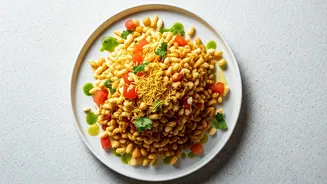
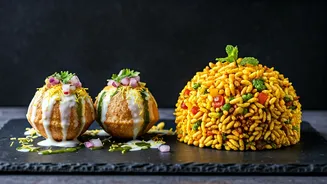
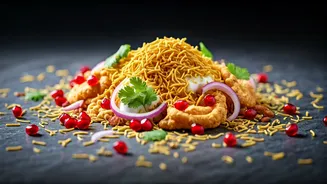
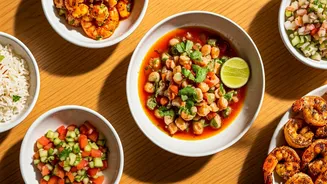
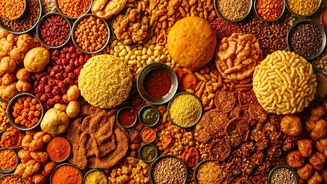
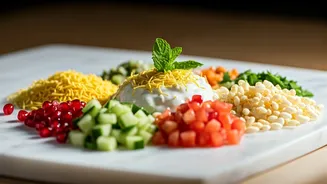
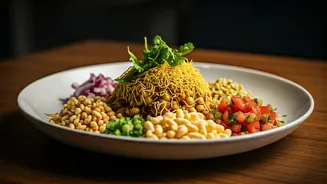
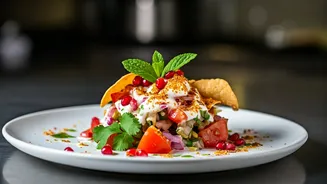
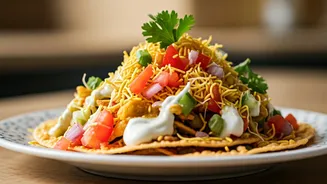
to do. At its heart, chaat is an exercise in delightful contrast. A typical plate starts with a crispy, often fried, base—like the crunchy wafers of papdi, a crushed samosa, or a hollow puri shell. This base is then loaded with hearty ingredients like boiled potatoes and chickpeas before being drenched in a trio of sauces: a sweet and sour tamarind chutney, a fresh and spicy mint-coriander chutney, and cool, creamy yogurt. A final flourish of spice powders, crunchy sev (thin fried chickpea noodles), and sometimes pomegranate seeds completes the masterpiece. It’s a dish that’s messy, vibrant, and utterly addictive.
The Delicious Dilemma
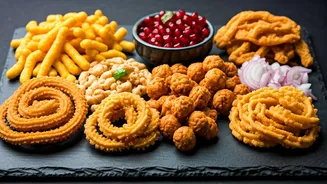
The magic of traditional chaat often relies on deep-frying to achieve that signature, satisfying crunch. The samosas are fried, the papdi wafers are fried, and sometimes even the potato patties (aloo tikki) are fried. While undeniably delicious, this has historically placed chaat firmly in the “indulgent treat” category for many health-conscious American diners. In a food culture increasingly focused on wellness, fresh ingredients, and “clean eating,” the perception of chaat as heavy or greasy created a delicious dilemma. How do you preserve the soul of a beloved comfort food while adapting it to modern palates and dietary preferences? For years, the answer wasn't clear, and chaat remained a glorious, if occasional, pleasure for many.
The Modern Makeover
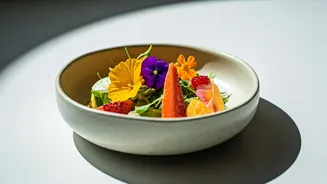
Enter a new generation of Indian chefs and innovative home cooks who are proving that chaat’s identity isn’t tied to the deep fryer. Across the U.S., from fine-dining establishments to fast-casual spots, chaat is getting a stunning, lighter makeover. The most visible example is the now-famous kale chaat, popularized by restaurants like Rasika in Washington, D.C. Here, crispy fried kale stands in for the traditional dough, offering an earthy crunch that perfectly complements the classic toppings. But the innovation doesn’t stop there. Chefs are baking their papdi instead of frying, using air fryers to crisp up samosas, and swapping out potatoes for roasted sweet potatoes, avocado, or even quinoa. These aren’t replacements so much as they are thoughtful reinterpretations, showcasing a new versatility for the chaat format. The goal isn’t to create a “diet” version, but to build a better, more dynamic bite.
Flavor Without the Fryer
What these modern chefs understand is that the true soul of chaat was never in the oil—it’s in the “chatpata,” that untranslatable, perfect balance of sweet, sour, spicy, and savory. The sauces, spices, and fresh garnishes are the real stars of the show. By lightening the base, the vibrant chutneys and cool yogurt come through even more clearly. The focus shifts from a heavy foundation to a celebration of fresh flavor and textural interplay. The crunch is still there, but it might come from baked multigrain chips or flash-fried spinach. The creaminess of the yogurt and the tang of the tamarind are now front and center, unburdened by excess grease. This evolution makes chaat more accessible, not just as a daily lunch option but also for diners who may have previously found traditional versions too heavy. It’s a testament to the fact that with creativity, you can honor tradition while pushing it forward.