
The Global Food Truck in Your Pocket
Not long ago, discovering a truly unique street food required a plane ticket or a trip to a specific neighborhood in a major city. Today, it just requires a scroll. Social media platforms, especially TikTok and Instagram, have become digital food courts,
demolishing geographic barriers. A viral video of a vendor making cheesy, double-dipped corn dogs in Seoul or folding rich, stewed birria into a taco in Los Angeles can generate millions of views in hours. This creates a powerful, pre-existing market awareness. Food lovers don't just see the food; they see the lines, the reactions, and the cultural buzz. They develop a craving for something they’ve never tasted, creating a latent demand that savvy entrepreneurs and major food corporations are getting very good at spotting. This digital exposure acts as a low-cost, global-scale focus group, identifying the next big flavor before it even lands in a test kitchen.
From Cart to Consumer-Packaged Good
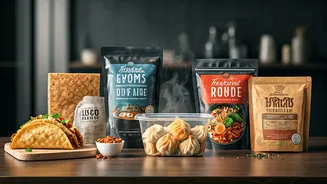
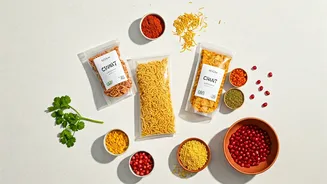
The journey from a hot, fresh street snack to a shelf-stable product is a complex translation. What works for a cart serving 100 people a day needs a total re-engineering to serve millions. Food scientists and R&D departments are tasked with deconstructing the magic of the original. How do you capture the essence of 'charred' in a seasoning blend? How do you replicate the texture of a freshly steamed dumpling after it's been frozen and microwaved? The primary challenge is capturing the core flavor profile while ensuring the product is safe, consistent, and has a reasonable shelf life. This often involves trade-offs. The messy, dripping, multi-component glory of a street taco might be distilled into a 'Taco Supreme' seasoning for a potato chip. The complex sweet, sour, and savory notes of pad thai might become a simplified sauce packet in a meal kit. The goal isn't a perfect replica, but an accessible homage that triggers the memory—or the Instagram-fueled desire—of the original.
The Authenticity Tightrope
Herein lies the central tension: authenticity versus accessibility. Brands are desperate to tap into the cultural credibility of street food, but they also need to sell to a broad American audience that may not be ready for the full-on funk of fermented shrimp paste or the fiery kick of ghost peppers. Successful brands walk a fine line. They often use the story of the food's origin in their marketing, highlighting its cultural roots and sometimes partnering with chefs from that tradition. Brands like Siete Foods, for example, have built an empire by making grain-free versions of Mexican-American staples, framing their products as a modern interpretation of their family's heritage. On the other hand, clumsy attempts at 'ethnic' flavors are quickly called out. Consumers, more educated than ever, can spot a shallow marketing gimmick. The most successful products feel like a genuine appreciation, an invitation into a flavor world, rather than a cynical appropriation. It’s the difference between saying “inspired by” and meaning it.
An Aisle of Global Wonders
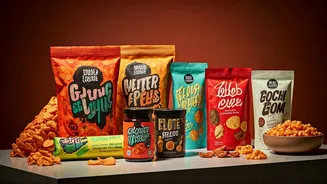
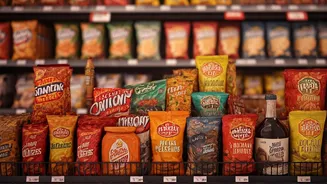
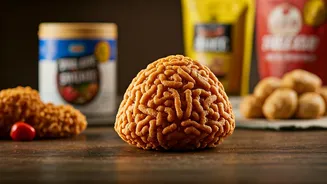
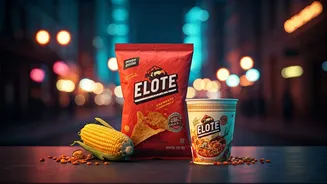
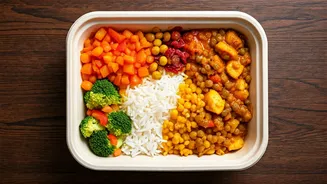
Walk through a modern supermarket and you’ll see the fruits of this trend everywhere. The most explosive recent example is birria. The rich, chili-infused Mexican beef stew went from a regional specialty to a national obsession, spawning birria-flavored instant noodles, birria seasoning packets, and frozen birria entrees from brands like Trader Joe's. Elote, or Mexican street corn, has followed a similar path. The classic combination of corn, cotija cheese, lime, and chili has been transformed into everything from corn chip flavors and frozen side dishes to dips and salad dressings. Gochujang, the Korean fermented chili paste, has become a condiment as common as ketchup in many kitchens, appearing in marinades, sauces, and even on fast-food chicken sandwiches. This isn't just a fringe health-food store phenomenon; it's a mainstream shift happening at your local Kroger and Walmart, fundamentally changing the taste of the American pantry.