

What 'Mud-Free' Really Means
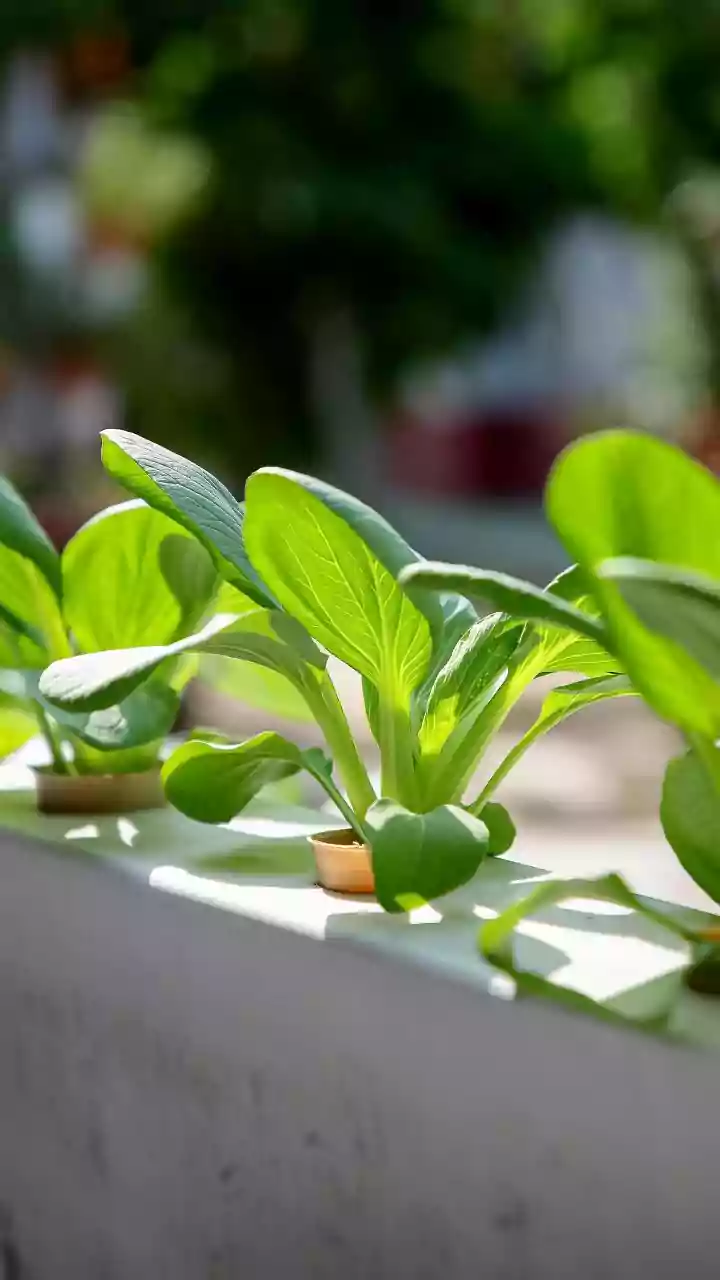
The term “mud-free” isn’t about some new, magical species of plant that thrives on air alone. Instead, it refers to the burgeoning practice of soil-less gardening, primarily using methods like hydroponics and semi-hydroponics. Instead of traditional potting
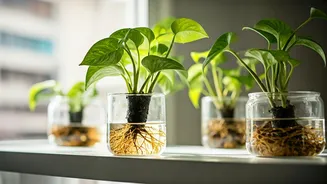
soil, plants are grown in inert mediums that provide structure for the roots while nutrients are delivered via water. The most popular medium is LECA, or Lightweight Expanded Clay Aggregate—small, porous clay balls that look like oversized, earthy cereal. Other options include perlite, coco peat, or simply growing plants directly in water-filled glass vases. This isn't the industrial-scale hydroponics you might picture from a commercial farm; it's a sophisticated, aesthetically pleasing approach perfectly scaled for the living room.
The Small-Home, Clean-Home Revolution
So why is this trend exploding in India specifically? The answer lies in the country's rapid urbanization. In megacities like Mumbai, Bangalore, and Delhi, apartments are getting smaller while aspirations for a modern, clean living space are growing. For a new generation of urban professionals, traditional potted plants come with downsides: soil can be messy, spilling onto floors and furniture; it can attract pests like fungus gnats; and it requires a certain amount of space and effort that doesn't always fit a busy, compact lifestyle. Mud-free methods directly address these pain points. There's no dirt to track through a meticulously clean apartment. The risk of soil-borne pests is virtually eliminated. For house-proud residents in high-rise buildings, it's a way to bring nature indoors without bringing the actual dirt in with it.
Beyond Just Cleanliness
The appeal goes deeper than just avoiding a mess. Soil-less gardening offers a level of control and convenience that resonates with a tech-savvy population. Overwatering and underwatering—the twin killers of most beginner houseplants—are much less of an issue. With a clear glass vase or a semi-hydroponic system with a water reservoir, it's easy to see exactly when the plant needs a drink. This takes the guesswork out of plant care, making it more accessible to novices. Furthermore, the aesthetics are a major driver. A monstera with its roots elegantly suspended in a glass vase or a snake plant rising from a bed of uniform clay pebbles offers a minimalist, almost scientific chic that complements modern interior design. It turns the plant from a simple decoration into a living sculpture.
A Global Solution for Urban Dwellers
While this trend is currently most visible in India, its core principles have universal appeal. Think about the challenges faced by any apartment renter in a major U.S. city. Worries about damaging hardwood floors with water and soil, the constant battle with tiny flying insects around your fiddle-leaf fig, and the simple lack of space for re-potting stations are common complaints from New York to San Francisco. The Indian mud-free movement isn't just a niche foreign trend; it's a clever, proven solution to the global problem of how to garden effectively in small, indoor spaces. It’s a preview of how city dwellers everywhere can foster a connection with nature that is cleaner, easier, and better suited to the realities of modern urban life.