





The New Travel Compass
The traditional logic of travel planning is being turned on its head. For decades, the process was simple: choose a destination—Paris, Maui, the Grand Canyon—and then find a suitable hotel within your budget. The location was the star; the hotel was a supporting
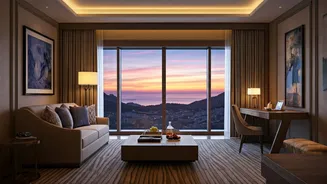
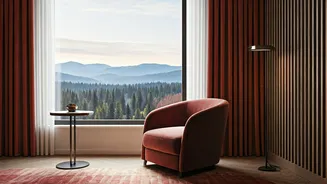
actor. But a significant shift is underway, driven by a desire for unique, self-contained experiences. Welcome to the era of the 'destination hotel,' where the property itself is the primary draw, and its location is almost incidental. Instead of asking, 'Where should we go?' travelers are increasingly asking, 'Where should we *stay*?' and letting the answer to that question draw the map for them. This hotel-first approach transforms a vacation from a tour of a place into an immersion in a specific, curated world.
The Instagram Effect and Visual Currency
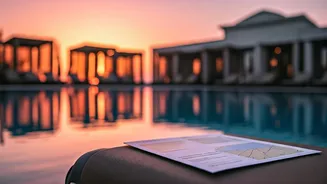
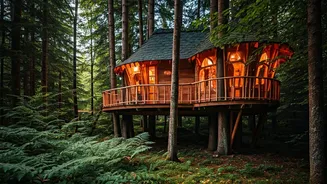
It’s impossible to talk about this trend without acknowledging the immense power of social media. Platforms like Instagram have created a new form of visual currency where an image of a breathtaking infinity pool in the desert or a whimsical treehouse suite can go viral, instantly creating a global desire. Hotels are no longer just selling a room; they're selling a story, a photograph, a moment of envy and aspiration. Properties like Amangiri in Utah, with its minimalist architecture blending into the canyons, or Giraffe Manor in Kenya, where giraffes poke their heads into the breakfast room, have become iconic not just for their service but for their powerful visual identity. Travelers book these stays months, or even years, in advance, not just to experience the place, but to capture the shot and participate in a widely recognized cultural phenomenon. The hotel becomes a status symbol, a bucket-list checkmark defined by its photogenic appeal.
Beyond a Bed for the Night
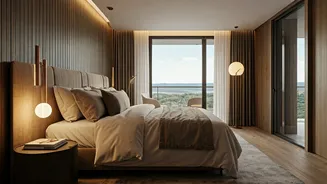
In response to this demand, and to drive it further, hoteliers have become architects of desire. The most sought-after properties offer far more than a comfortable bed and clean towels. They are meticulously designed ecosystems of experience. A stay might include Michelin-starred dining, a world-class spa rooted in local traditions, private art collections, or exclusive access to nature. At a place like Fogo Island Inn in Newfoundland, the starkly modern building is a hub for community engagement, offering guests guided hikes with local experts, craft workshops, and storytelling sessions that connect them deeply to the island’s remote culture. The hotel has evolved from a base of operations into the operation itself. It’s a resort, a retreat, a cultural center, and an adventure outfitter all in one, promising a complete vacation experience without ever needing to venture off-property. This is particularly appealing in a post-pandemic world, where the appeal of a beautiful, controlled, and hassle-free environment has only grown.
The Search for a Singular Experience
Ultimately, this trend speaks to a deeper change in what we seek from travel. As the world becomes more connected and many destinations feel increasingly familiar, the desire for something truly singular and memorable has intensified. Sightseeing can feel like checking boxes, but immersing yourself in the self-contained world of a one-of-a-kind hotel feels personal and unique. It offers a narrative—'the time we stayed in a glass pod hanging off a cliff in Peru' or 'the week we spent at a restored castle in the Irish countryside.' This approach prioritizes the quality of the experience over the quantity of sights seen. It’s a deliberate choice to slow down and savor a single, exceptional environment rather than rushing through a crowded itinerary. The hotel is no longer just lodging; it is the destination, providing not just a place to rest, but a story to tell.