





The Old Guard of Going Out
Not long ago, a celebratory dinner in a major Indian city like Mumbai or Delhi followed a predictable script. The destination was almost always a hushed, heavily carpeted restaurant inside a luxury hotel. The dress code was formal, the service deferential
to the point of being intimidating, and the menu was often a greatest-hits of North Indian Mughlai classics or a slightly dated take on “Continental” cuisine. This was fine dining as performance—a legacy of colonial-era formality where the atmosphere was often more important than the food's soul. It was impressive, expensive, and for a growing number of diners, a little bit boring. It felt like an imported idea of luxury, not one that grew from the soil of modern India.
Enter: Casual Elegance
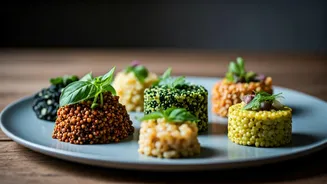
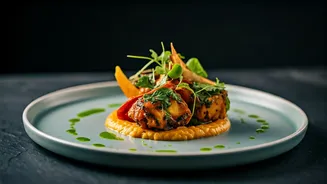
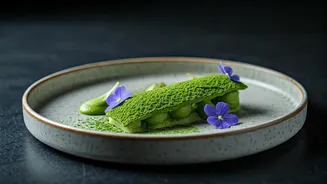
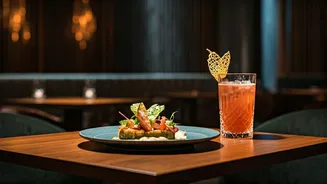
The new movement shaking up India’s culinary landscape is what you might call “fancy but chill.” These are restaurants where the food is dead serious, but the attitude is anything but. Think chef-driven tasting menus that might be served on handmade pottery at a bare wooden table. Instead of whispered conversations, the dining room buzzes with energy and a well-curated playlist. The focus is on exceptional, often hyper-local ingredients, presented with global techniques but rooted in Indian flavors. This isn’t about reheating tradition; it’s about interrogating it, deconstructing it, and creating something new and exciting. It’s a space where you can appreciate a brilliant dish without having to sit up straight and worry about using the wrong fork.
A Taste of the New India
This trend isn't just a theory; it’s thriving in brick-and-mortar hotspots. Take Comorin in Gurugram, a city outside Delhi. It looks more like a sleek, modern market than a fine-dining temple, yet it serves some of India’s most inventive food. You’ll find small plates like a green chili prawn curry alongside house-made liqueurs and craft cocktails. In Mumbai, restaurants like Ekaa and Masque have gained international acclaim for their ingredient-focused philosophy. Masque, one of the first Indian restaurants to win a Michelin star in 2023, champions a “seed-to-plate” ethos, foraging ingredients from across the country. Ekaa, another Michelin-starred spot, builds its tasting menus around a single ingredient, showcasing its versatility. These places are destinations, drawing in a crowd that’s as interested in the story behind their food as they are in the flavor.
It’s Not Just About the Food
This evolution extends far beyond the plate. The bar has become just as important as the kitchen. India’s cocktail scene is exploding, with mixologists crafting drinks using Indian botanicals, spices, and spirits. Forget a basic gin and tonic; think clarified cocktails with tamarind, sous-vide infusions with saffron, and drinks that tell a story of a specific Indian region. The design of these spaces is also a critical part of the experience. Architects and designers are creating restaurants that feel both contemporary and deeply Indian, using local materials, crafts, and motifs without falling into ethnic clichés. It’s a complete sensory package designed for a savvy, globally-aware audience that posts their experiences on Instagram.
The Confidence of a New Generation
So, why is this all happening now? It’s a perfect storm of economic growth, cultural confidence, and culinary talent. A growing urban middle and upper-middle class has the disposable income and the desire for new experiences. A wave of Indian chefs, many of whom trained in Michelin-starred kitchens in New York, London, or Copenhagen, are returning home. But instead of just copying what they learned, they’re applying those techniques to the incredible diversity of Indian produce and regional cuisines. The ultimate stamp of approval came with the recent arrival of the Michelin Guide to India. It confirmed what locals already knew: the country’s dining scene is no longer just catching up to the world—it’s helping to lead the conversation.