



Why Is This Look Everywhere?
Before diving into the 'how,' let's touch on the 'why.' In a world of digital noise and constant stimulation, our homes have become our sanctuaries more than ever. The earthy aesthetic, with its emphasis on natural elements and tranquility, directly counters
that chaos. It’s a collective craving for grounding and simplicity made visual. Social media has amplified this by providing an endless scroll of aspirational but achievable inspiration. Unlike sterile, untouchable minimalism, earthy décor feels warm, lived-in, and deeply personal. It’s less about perfection and more about feeling—a vibe that translates beautifully through a filtered lens and into real-life living rooms.
Start with a Warm, Neutral Palette
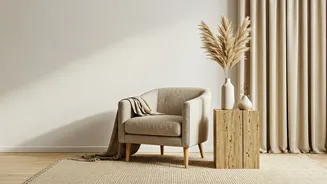
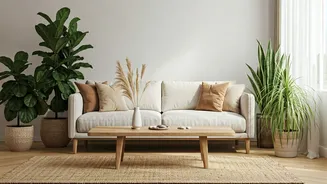
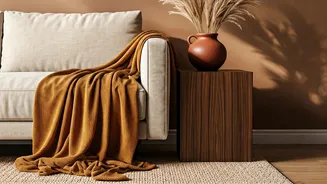
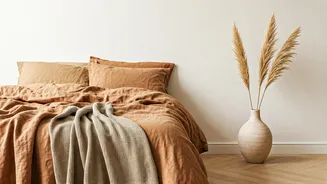
The foundation of any earthy space is its color scheme. Forget stark whites or moody grays. Think warmer, softer tones pulled directly from nature. This includes shades of beige, cream, taupe, terracotta, ochre, and soft, mossy greens. These colors create a serene backdrop that feels instantly calming. The trick is to layer different shades within the same family to create depth and avoid a flat, one-dimensional look. For example, pair a cream-colored sofa with beige pillows, a tan throw blanket, and an off-white area rug. These subtle variations are what make the space feel rich and thoughtfully designed.
Embrace Natural Materials
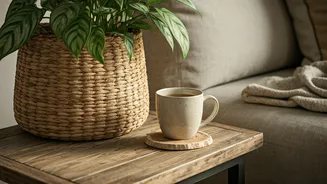
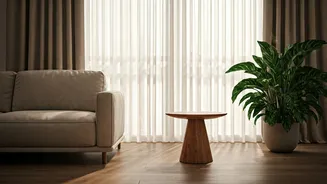
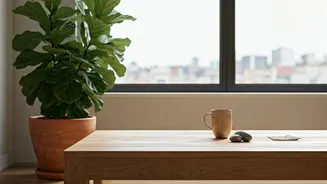
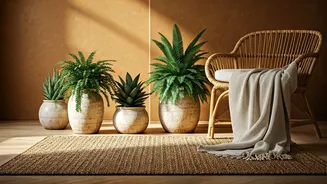
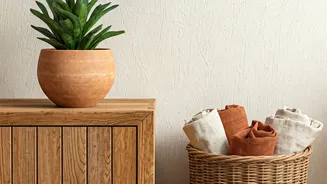
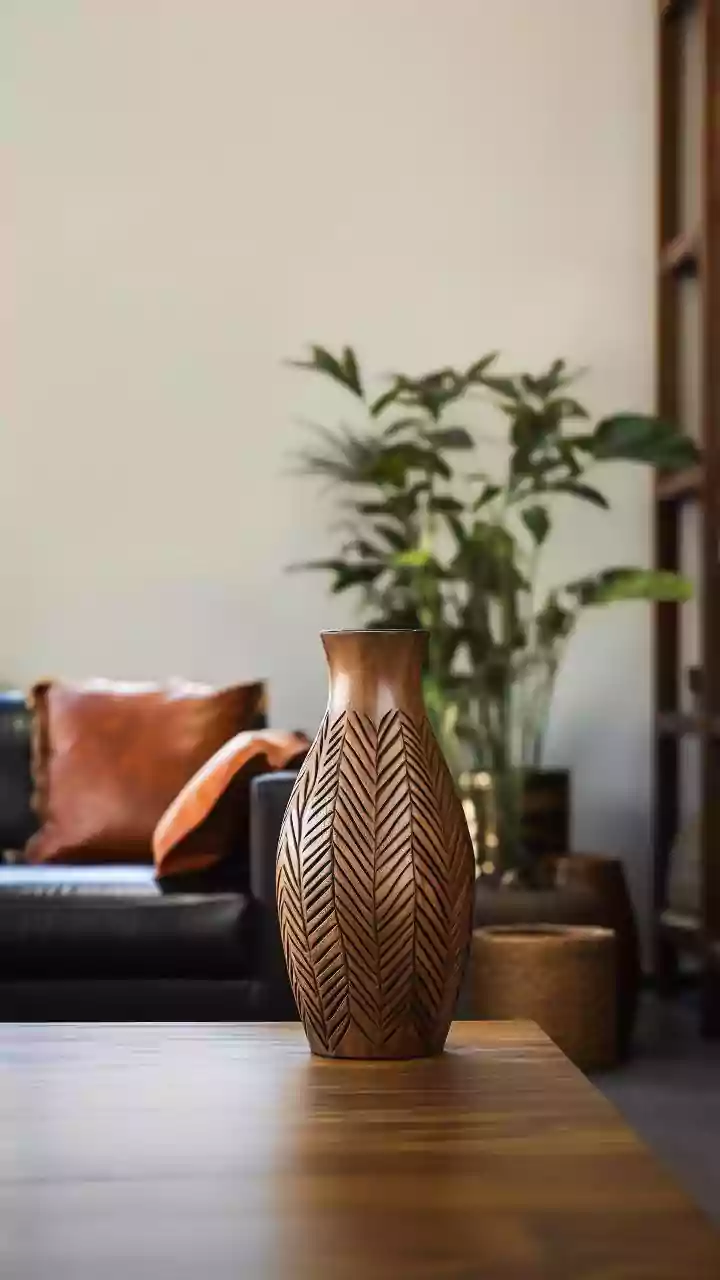
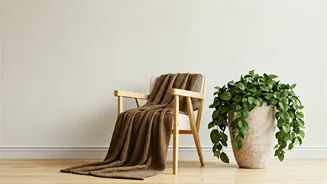
This is where the 'earthy' part truly comes to life. Swap out plastics and high-gloss synthetics for materials that feel like they came from the outdoors. Think solid wood furniture (especially lighter woods like oak or maple), rattan or wicker accent chairs, jute or sisal rugs, and linen or cotton textiles. These materials aren't just for looks; they engage the senses. The rough texture of a jute rug underfoot, the smooth grain of a wooden coffee table, the soft crinkle of a linen curtain—these details add a tactile richness that’s central to the trend. Don't be afraid to mix and match; a smooth leather chair can look incredible next to a chunky knit blanket.
Bring the Outdoors In (Literally)
You can't have an earthy aesthetic without plants. They are the most direct way to connect your indoor space with the natural world. From a large fiddle-leaf fig making a statement in a corner to a collection of small succulents on a windowsill, greenery adds life, color, and purifies the air. If you're not blessed with a green thumb, start with low-maintenance options like snake plants, ZZ plants, or pothos. For a more subtle touch, incorporate dried botanicals like pampas grass, eucalyptus branches, or bunny tails in ceramic vases. These elements add texture and a sculptural quality without the need for watering.
Prioritize Texture Over Pattern
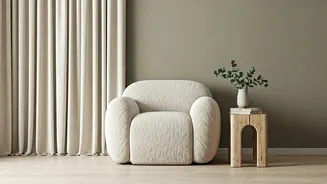
While some earthy looks incorporate simple, globally-inspired patterns (like mudcloth or kilim), the real star of the show is texture. A visually interesting space is built by layering different textures. Imagine a bouclé armchair, a fringed cotton pillow, a chunky woven throw, and a ceramic lamp with a slightly uneven glaze. Each piece contributes to a layered, cozy feel. This focus on texture is what keeps the neutral palette from feeling boring. Run your hand over potential purchases. If it has an interesting feel—be it rough, smooth, nubby, or soft—it likely belongs in your earthy-inspired space.
Find Beauty in Imperfection
A core tenet of earthy décor is the appreciation for things that are handmade, aged, or perfectly imperfect. This concept, often linked to the Japanese philosophy of wabi-sabi, finds beauty in authenticity. Look for a vintage wooden stool with a few scuffs, a hand-thrown pottery bowl where the glaze isn't perfectly even, or a piece of art that feels personal and unique rather than mass-produced. These items tell a story and add a layer of soul to your home, preventing it from looking like a showroom catalog and making it feel uniquely yours.