


Why Rain Washes in Risk
The connection between a downpour and a dangerous meal isn't immediately obvious, but it comes down to one simple, powerful element: water. Heavy rainfall, especially in urban environments, can overwhelm drainage and sanitation systems. This can lead
to localized flooding, where storm runoff mixes with sewage and other contaminants. This contaminated water can then find its way into the food supply chain in numerous ways. It can splash onto food prep surfaces at an open-air cart, it might be used (unwittingly or not) to wash vegetables or utensils, and it can contaminate the municipal water sources that vendors rely on for everything from cooking to making ice. Health organizations like the CDC consistently warn about the spike in waterborne illnesses after floods and heavy rain events. The 'rainy season' isn't just a tropical phenomenon; it’s any period of wet weather that compromises the usual standards of hygiene.
The Invisible Menu of Pathogens
When doctors warn about street food after a storm, they aren't just talking about a generic stomach bug. They have a specific list of pathogens in mind that thrive in contaminated water. These are the invisible ingredients you could be consuming. Topping the list are bacteria like E. coli, Salmonella, and Vibrio cholerae (the cause of cholera), which can lead to severe gastrointestinal distress, dehydration, and in some cases, life-threatening illness. Viruses are also a major concern, particularly Hepatitis A and Norovirus, both of which are notoriously resilient and easily spread through contaminated food and water handled by an infected person. These illnesses often present with symptoms like vomiting, diarrhea, fever, and abdominal cramps. The risk is magnified with street food because ingredients are often prepped in advance and may sit out, giving pathogens time to multiply.
Your Mental 'Filter' for Safer Eating
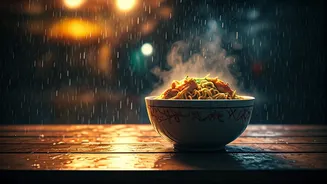
Avoiding street food altogether isn't necessary, but developing a 'filter' for your choices is crucial. This means becoming a keen observer before you buy. First, follow the crowds. A busy stall with a high turnover rate means food isn't sitting around for long, and it's a good sign that locals trust the vendor. Second, watch the process. Is the food cooked fresh and served piping hot? Heat is your best friend, as it kills most harmful bacteria and viruses. Be wary of dishes that are pre-cooked and served lukewarm. Third, assess their water situation. Do they have a source for clean, running water for handwashing and cleaning? Or are they using a single bucket of murky water for everything? Finally, prioritize vendors who handle money and food separately, ideally with one person taking orders and another preparing the meal, or by using gloves or tongs.
Don’t Forget the Ice and Condiments
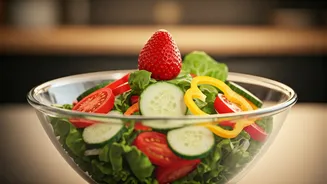
It’s easy to focus on the main event—the grilled meat or the steaming noodles—and forget about the accessories that can harbor just as much risk. Ice is a primary offender. If it's made from a contaminated water source, it will transfer that contamination directly into your drink. If you have any doubts about the water quality, it’s best to stick to bottled or canned beverages and drink them without ice. Similarly, be cautious with fresh, uncooked condiments and salads, like salsas, chutneys, or sliced raw vegetables. These items are often washed with local tap water and can sit out for hours at room temperature, creating a perfect breeding ground for bacteria. Opt for cooked toppings or sealed, single-serving condiment packets whenever possible. Your best bet is to choose food that is simple, thoroughly cooked, and served immediately.