
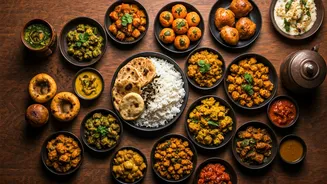
Beyond the Curry House
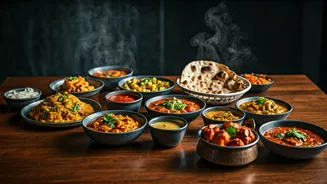
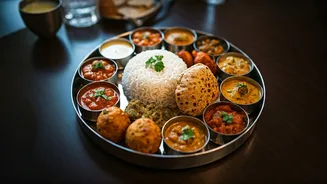
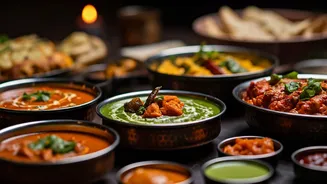
Let’s be honest: the ‘Indian restaurant’ most Americans know is a specific, and somewhat artificial, creation. It’s largely based on North Indian (specifically Punjabi) dishes, which were then filtered through a British lens. This Anglo-Indian tradition
gave us the rich, cream-based curries that became a global comfort food. There’s nothing wrong with a great chicken korma, but boiling down the cuisine of 1.4 billion people and dozens of distinct cultural regions to a handful of dishes is like saying American food is just hamburgers and hot dogs. It’s not untrue, but it misses the entire, glorious picture. This homogenization, driven by immigration patterns and Western palate expectations, created a safe but narrow understanding of one of the world's most complex food cultures. For years, diners were served what they were thought to want, not necessarily what was being cooked in Indian homes across the diaspora.
A Map on a Plate
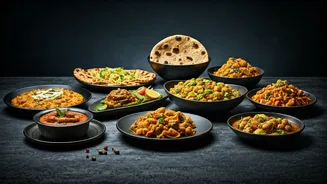
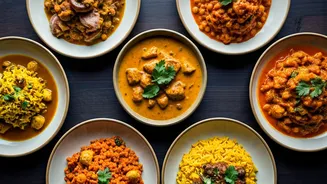
So, what does “regional” Indian food actually mean? It means understanding that India is not a culinary monolith. The geography, climate, and history of each state have forged wildly different ways of eating. In the tropical southern state of Kerala, you’ll find dishes built on coconut, rice, fresh seafood, and spices like black pepper and cardamom. Travel to the east, to Bengal, and the flavor profile shifts to freshwater fish, pungent mustard oil, and delicate sweets. Head west to Goa, with its Portuguese colonial history, and you’ll discover the Catholic influence in tangy, vinegar-laced pork dishes like vindaloo (the real kind, not the searingly hot British pub version). In the mountainous north of Kashmir, the food is aromatic and rich, with influences from Persian cuisine seen in lamb dishes and the use of saffron. This new movement isn't about inventing new food; it’s about finally presenting this existing, incredible diversity to a wider audience, unapologetically.
The New Guard of Chefs
This glow-up isn’t happening by accident. It's being driven by a new generation of Indian chefs and restaurateurs in the U.S. and beyond. Figures like Chintan Pandya and Roni Mazumdar of New York’s Unapologetic Foods group have become standard-bearers for this shift. Their restaurant Dhamaka, for example, focuses on provincial, often overlooked dishes from rural India—the kind of food you might get at a roadside stall or a family gathering, not a palace. They, and others like them, are rejecting the pressure to tone down spices or cater to a perceived Western palate. They’re serving food with its authentic heat, funk, and complexity intact. This confidence is fueled by a few things: a second- and third-generation diaspora proud of their specific heritage, diners with more adventurous palates, and social media’s ability to turn a hyper-specific regional dish into the next must-try meal.
What to Look For
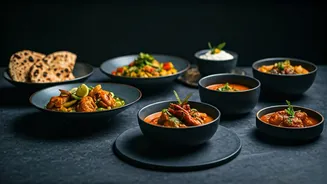
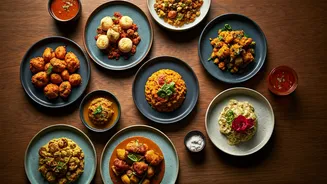
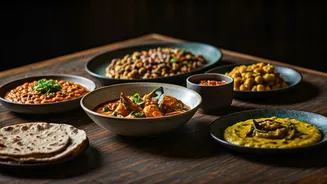
As this trend goes mainstream, you’ll start seeing more specific terms on menus. Instead of just “curry,” you might see *Macher Jhol* (a Bengali fish stew), *Chettinad Chicken* (a fiery, complex dish from Tamil Nadu), or *Pandi Curry* (a peppery pork dish from Coorg). You’ll see a greater appreciation for the vast world of Indian breads beyond naan, like flaky Malabar parottas or spongy appams. This isn't just about swapping one dish for another. It's about a fundamental shift in perspective. It’s the difference between asking for “Italian food” and knowing you’re in the mood for a Sicilian caponata or a Roman cacio e pepe. The menus at these new-wave restaurants are often a geography and history lesson, connecting you to a specific place through its unique flavors.