



Thailand: The Power of Herbs and Spice
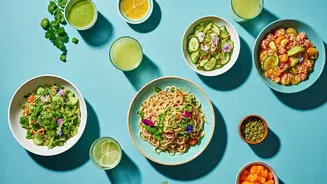
Thai salads, or 'yams,' are masters of balance. Take Larb, a minced meat salad from Laos and Northeastern Thailand. While it involves a quick sauté of ground chicken, pork, or mushrooms, the real magic is in the finish. It’s tossed with a firework of fresh
mint, cilantro, shallots, and a potent dressing of lime juice and fish sauce, then dusted with toasted rice powder for a nutty crunch. The combination of cooling herbs, sharp citrus, and a gentle hit of chili actually helps your body cool down through light perspiration. It’s a full meal that feels incredibly light and invigorating, proving that a satisfying salad doesn't have to be a bowl of cold, raw vegetables.
Mexico: No-Cook Citrus “Cooking”
From the coastal regions of Mexico comes a brilliant solution for preparing seafood in the heat: ceviche. This dish isn't a salad in the leafy green sense, but it embodies the salad spirit of fresh, raw ingredients transformed by a zesty dressing. Cubes of fresh, firm fish are marinated in a bath of lime juice. The acid in the citrus denatures the proteins in the fish, effectively “cooking” it without any heat at all. The fish becomes firm and opaque, ready to be tossed with chopped onion, tomato, cilantro, and fiery serrano or jalapeño peppers. Served with tortilla chips or on a tostada, ceviche is the ultimate proof that you can create a complex, delicious meal without ever touching the stove.
Vietnam: Hydration in a Bowl
Vietnamese cuisine excels at creating dishes that are simultaneously fresh, fragrant, and filling. Think of a deconstructed summer roll (gỏi cuốn) in a bowl. Start with a base of cool, slippery rice vermicelli noodles. Top them with a generous pile of hydrating vegetables like shredded lettuce, cucumber matchsticks, and bean sprouts. Add a mountain of fresh herbs—mint, Thai basil, and cilantro are non-negotiable. Finally, add your protein, whether it’s grilled shrimp, lemongrass chicken, or fried tofu. The whole thing is brought together with a drizzle of nuoc cham, a sweet, sour, and savory dipping sauce. It’s a complete meal that’s over 50% water by weight, designed to replenish and refresh.
The Mediterranean: Simplicity is Key
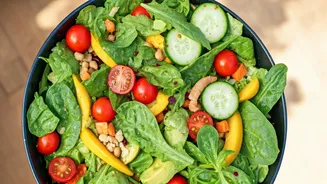
The classic Greek salad, or 'horiatiki,' is a testament to the power of peak-season produce. There’s no lettuce to be found here. Instead, it’s a chunky, rustic mix of high-water-content vegetables: juicy tomatoes, crisp cucumbers, and sharp red onion. The saltiness comes from briny Kalamata olives and a generous slab of feta cheese, often served whole right on top. The dressing is as simple as it gets: a healthy pour of good-quality olive oil and a sprinkle of dried oregano. It’s a salad that celebrates ingredients at their best, requiring no cooking and minimal prep. It’s hydrating, salty, and savory—everything your body craves on a sweltering afternoon.
The Middle East: When Herbs Are the Star
In most American salads, herbs are a finishing touch. In Middle Eastern tabbouleh, they are the main event. This iconic Levantine salad is not a grain salad with some parsley; it’s a parsley salad with some grain. Heaps of finely chopped flat-leaf parsley and mint form the base, providing a massive dose of chlorophyll-rich, cooling freshness. They’re mixed with a small amount of fine bulgur (which is often just soaked, not boiled), diced tomatoes, and spring onions. A bright, simple dressing of lemon juice and olive oil ties it all together. Tabbouleh redefines the role of herbs, turning them from a garnish into the vibrant, life-giving heart of the dish.