




The Great Green Transformation
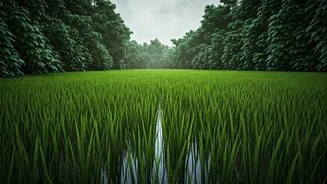
From June to September, Goa undergoes a dramatic costume change. The sun-baked landscape gives way to a vibrant, almost impossibly green tapestry. The red earth smells sweet and earthy after a downpour, and the region’s famous paddy fields fill with water,
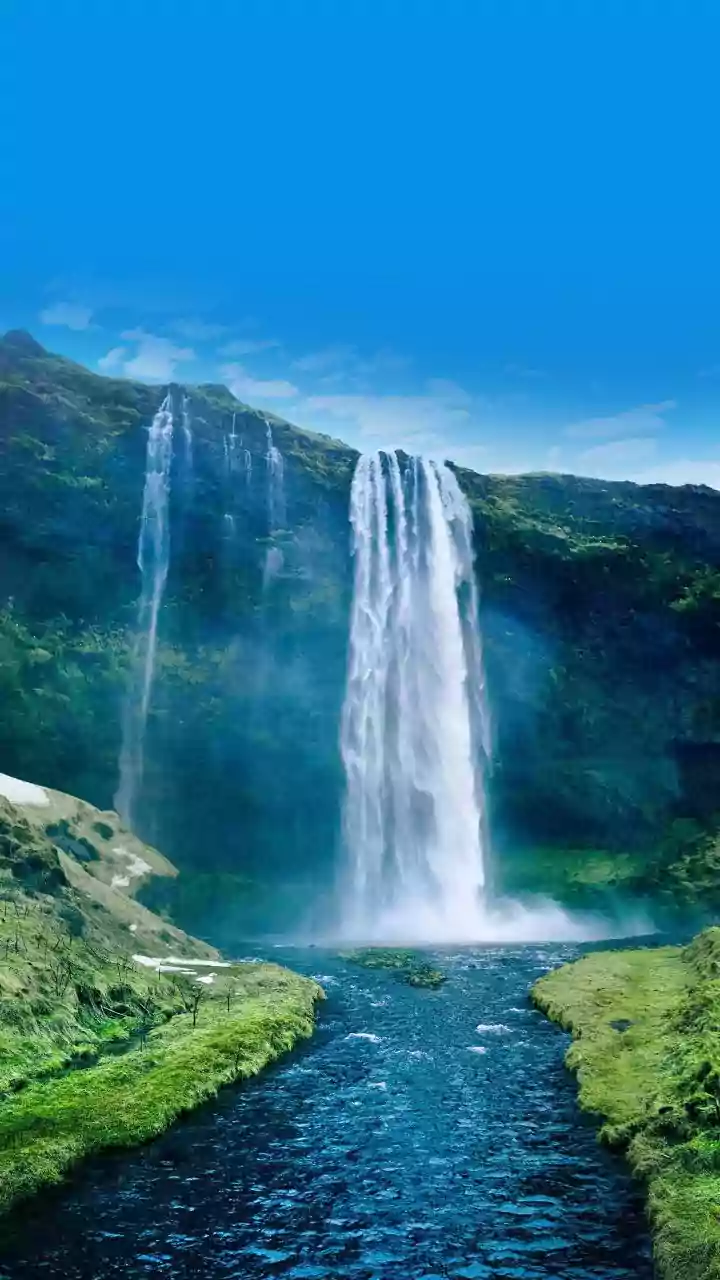
reflecting the dramatic, cloud-filled skies. This isn’t the Goa of postcards; it’s something deeper and more soulful. The dry, dusty roads turn into clean-washed paths flanked by flourishing jungle. Waterfalls like the famous Dudhsagar, which are often just a trickle in the dry season, become thunderous, awe-inspiring spectacles. For couples, a drive through the winding roads of the Western Ghats during this time feels less like a vacation and more like stepping into a living painting, a shared experience of nature at its most potent and alive.
Trading Crowds for Coziness
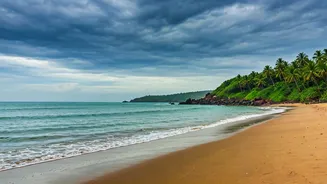
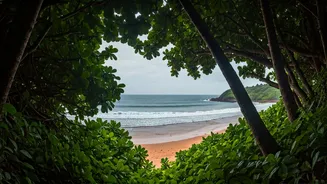
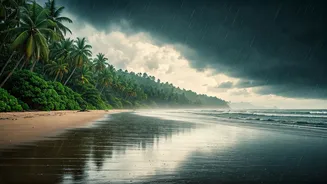
The biggest draw of monsoon Goa is what’s missing: the people. The throngs of tourists that define the peak season from December to February are nowhere to be found. The beaches, while often too rough for swimming, are blissfully empty, perfect for long, contemplative walks under a dramatic sky. The silence is punctuated only by the rhythm of the rain and the sounds of nature. This emptiness creates an atmosphere of intimacy and seclusion. Instead of fighting for a spot at a beach shack, you’ll find yourselves having a charming local cafe all to yourselves. You can rent a scooter and explore the quiet lanes of South Goa without hitting a single traffic jam, discovering hidden Portuguese-era churches and sleepy villages at your own pace. It’s a chance to connect with the place—and each other—without distraction.
Rainy Day Romance: What to Do
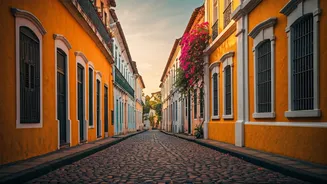
While beach lounging and water sports are off the table, a different set of activities comes to life. A visit to a spice plantation is a must. The rain amplifies the intoxicating aromas of cardamom, vanilla, and black pepper, making for a multi-sensory tour. Many plantations offer a traditional Goan lunch, a perfect, flavorful end to the experience. Another classic monsoon adventure is exploring Old Goa, a UNESCO World Heritage site. The rain-slicked cobblestones and imposing baroque cathedrals, like the Basilica of Bom Jesus, take on a gothic, romantic quality in the misty weather. For a dose of urban charm, wander through the Fontainhas, Panjim’s Latin Quarter. The colorful colonial-era houses look even more vibrant against the grey sky, and its narrow streets are filled with boutique shops and art galleries perfect for ducking into during a shower.
A Different Kind of Goan Feast
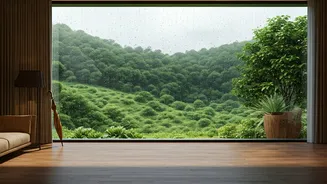
The Goan culinary scene adapts beautifully to the season. While many of the temporary beach shacks close, the state's incredible local restaurants and high-end eateries remain open, often offering discounts. The cool, rainy weather is the perfect excuse to indulge in rich, warm Goan curries like a spicy pork vindaloo or a creamy fish caldin. It’s the season for comfort food. Imagine holing up in a cozy restaurant with windows overlooking a verdant field, sharing a clay pot of fragrant prawn curry while the rain drums on the roof. Many luxury hotels also offer special monsoon packages that include cooking classes, allowing couples to learn the secrets of Goan cuisine together. It’s a delicious way to create a lasting memory of your trip.
The Practical Side of Paradise
Embracing monsoon Goa requires a slight shift in mindset. Yes, it will rain—sometimes for hours, sometimes in short, intense bursts. Pack lightweight, quick-drying clothes and a reliable raincoat. Good, non-slip footwear is essential for exploring. While the sea is unsafe for swimming due to strong currents, many hotels have beautiful pools that are perfectly fine to use. Be prepared for some businesses to be closed, but see it as an opportunity to discover local, year-round gems instead of tourist traps. Flights and luxury accommodations are significantly cheaper, making a five-star experience accessible for a fraction of the peak-season price. The key is to embrace the weather, not fight it. The rain isn’t an inconvenience; it’s the main event.