




How the Magic Really Works
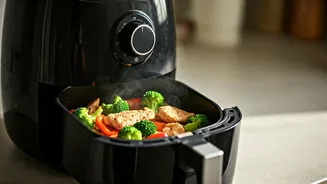
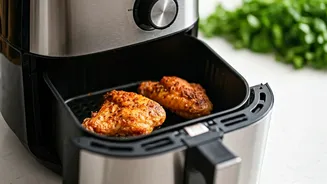
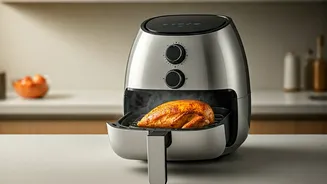
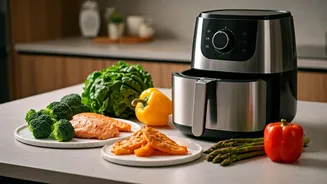
Despite its name, an air fryer doesn’t actually “fry” anything. It’s a powerful, compact convection oven. A heating element generates intense heat, and a high-speed fan circulates that hot air rapidly and evenly around your food. This process, known as
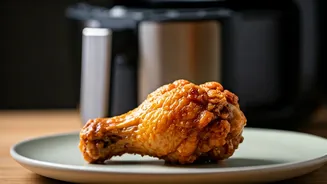
convection, is what creates the crispy, golden-brown exterior that we associate with deep-frying. Unlike a traditional oven, which cooks with more passive, radiant heat, the air fryer’s concentrated whirlwind of air is incredibly efficient. It mimics the effect of being submerged in hot oil by creating a dehydrated, crunchy surface layer much faster than baking, all while the inside stays moist and tender.
The Truth About the Health Claims
Here’s where the air fryer shines. Deep-frying involves completely submerging food in hot oil, which adds a massive number of calories and fat. By contrast, most air-fried foods require only a light spritz or a single teaspoon of oil—just enough to facilitate browning and prevent sticking. Studies and nutritional comparisons show that air-frying can reduce the final fat content of foods by 70% to 80% compared to their deep-fried counterparts. This significantly lowers the overall calorie count. While it won't turn a tray of French fries into a superfood, it makes them a far more reasonable indulgence. It’s not about creating “health food” out of snack food; it’s about making a significantly healthier version.
Your New Best Friend: A Little Oil
While the promise of “oil-free” cooking is tempting, the secret to truly spectacular air-fried results is using a tiny bit of oil. A light coating of a high-smoke-point oil like avocado, grapeseed, or even a light olive oil helps conduct heat, promotes even browning through the Maillard reaction, and ensures a crisp, non-leathery texture. Tossing vegetables or potatoes in a bowl with a teaspoon of oil before cooking is far more effective than just spraying the basket. For pre-cooked frozen items like tater tots or chicken nuggets, which already contain some fat, you can often skip the extra oil entirely.
Go-To Snack: Crispy Seasoned Potatoes
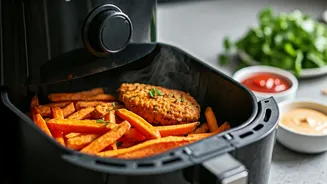
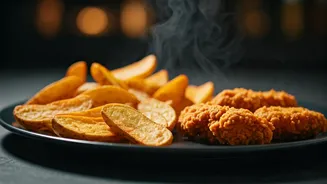
The air fryer was practically born to make potatoes. For restaurant-quality fries, cut russet potatoes into uniform sticks and soak them in cold water for 30 minutes to remove excess starch. Dry them thoroughly—this is non-negotiable for crispiness. Toss with a tablespoon of oil and your favorite seasonings (garlic powder, paprika, salt, and pepper work wonders). Cook at around 380°F for 15-20 minutes, shaking the basket halfway through. The result is a fluffy interior and a perfectly crunchy shell that rivals any deep-fried version. The same method works beautifully for potato wedges and frozen tots.
Next-Level Veggies: Broccoli and Brussels Sprouts
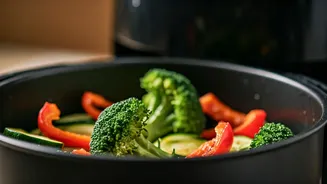
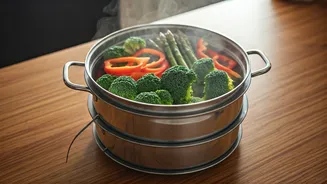
If you think you don’t like broccoli or Brussels sprouts, the air fryer might change your mind. It transforms these humble vegetables into addictive, roasty-crisp morsels. For broccoli, chop it into florets, toss with a little oil, salt, pepper, and garlic powder, and air fry at 375°F for about 10 minutes. The edges will become charred and crispy while the stems remain tender. For Brussels sprouts, trim and halve them, toss with oil, salt, and a drizzle of balsamic vinegar, and cook until the outer leaves are dark and shatteringly crisp.
Perfectly Crispy Spiced Chickpeas
For a genuinely healthy, high-protein snack, look no further than crispy chickpeas. Drain and thoroughly rinse a can of chickpeas, then pat them completely dry with paper towels. The drier they are, the crispier they’ll get. Toss them with a drizzle of olive oil and a generous amount of your favorite spices—smoked paprika, cumin, and chili powder create a fantastic savory blend. Air fry at 390°F for 12-15 minutes, shaking occasionally, until they are golden and make a rattling sound in the basket. Let them cool for a few minutes to achieve maximum crunch before devouring.