


What’s Behind the 'Major Boost'?
The recent surge in support for pollinators isn't just a grassroots trend; it's being supercharged by significant federal investment. A key driver is the Bipartisan Infrastructure Law, which has allocated billions for ecosystem restoration. A sizable
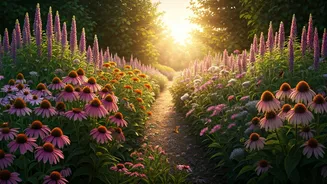
portion of these funds is being directed toward creating and protecting habitats for bees, butterflies, birds, and bats. This isn't abstract policy—it translates into tangible projects. State departments of transportation are now using these funds to plant native wildflowers along miles of highways, creating 'pollinator corridors' that connect fragmented landscapes. The U.S. Forest Service and other agencies are also scaling up efforts to restore native plant communities on public lands. This top-down support provides a powerful framework, creating a more hospitable environment for the bottom-up, citizen-led gardening movement to thrive.
Why Pollinators Desperately Need the Help
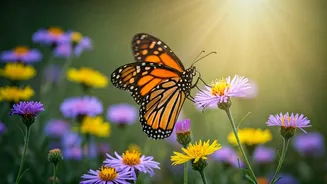
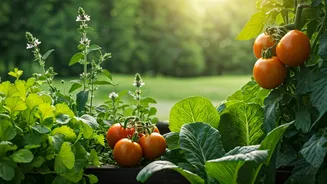
This boost couldn't come at a more critical time. For decades, pollinator populations have been in steep decline. The rusty patched bumble bee, once a common sight, is now endangered. Monarch butterfly populations have plummeted by over 80% in the last 20 years. The culprits are a familiar cocktail of modern pressures: habitat loss due to development and agriculture, widespread pesticide use that harms insects directly and indirectly, and the mounting stress of climate change. This isn't just an ecological tragedy; it's a direct threat to our food supply. The U.S. Department of Agriculture estimates that one out of every three bites of food we eat exists because of pollinators. They are responsible for the reproduction of countless fruits, vegetables, and nuts, from almonds and apples to blueberries and squash. By supporting them, we are fundamentally supporting our own food security and the health of nearly every terrestrial ecosystem.
From Federal Dollars to Your Backyard
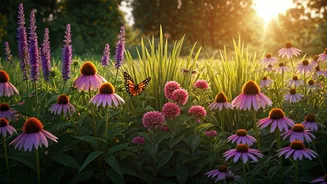
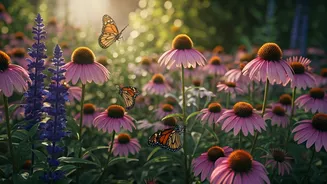
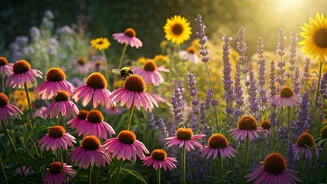
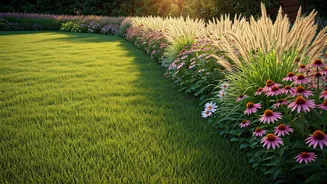
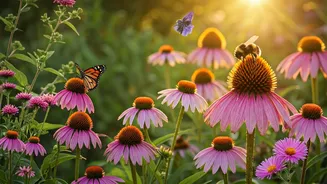
So how does a multi-billion dollar infrastructure bill connect to the coneflowers in your garden bed? The power of this new movement lies in its dual approach. While federal programs create large-scale habitats, the real magic happens when these are linked together by thousands of smaller, private gardens. Think of it like building a national highway system for pollinators. The government can build the major interstates (the public lands and roadsides), but they need the local roads (your yard, your neighbor's yard, the local park) to create a fully functional network. A single pollinator garden provides a crucial refueling station. A neighborhood of them creates a life-saving oasis. When you plant native flowers, you are essentially extending a personal invitation to pollinators traveling along these newly reinforced corridors, helping to ensure their journey is successful.
How to Join the Movement
Becoming part of this national effort is surprisingly simple and deeply rewarding. You don’t need a sprawling estate; a few pots on a balcony can make a difference. The key is to think like a pollinator. First, prioritize native plants. Species like milkweed, aster, and bee balm are perfectly adapted to your local climate and are the preferred food source for local insects. The National Wildlife Federation’s Native Plant Finder is an excellent online tool that generates lists based on your zip code. Second, provide a complete habitat. This means offering food (flowers that bloom across three seasons), water (a shallow dish with pebbles for landing), and shelter (leaving some dead stems or a patch of bare ground for nesting). Finally, and most importantly, go chemical-free. Pesticides and herbicides can be devastating to pollinators, undoing all your good work. Embracing a more natural approach to pest control is the single most impactful choice you can make for your new garden guests.