



The Core Fantasy: Private Atoll vs. Volcanic Island
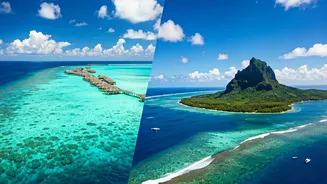
The fundamental difference between these Indian Ocean jewels lies in their geography, which shapes everything about the vacation experience. The Maldives is an archipelago of nearly 1,200 coral islands grouped into 26 atolls. These islands are famously
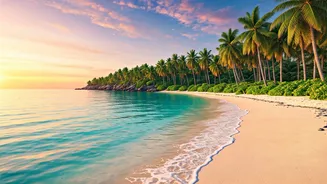
flat, tiny, and sandy—many are so small they house just a single resort. The fantasy here is ultimate seclusion and oceanic immersion. You're not visiting a country so much as you are escaping to a private water world, where the horizon is an uninterrupted line of blue. Mauritius, by contrast, is a single, large island—about the size of Rhode Island—formed by ancient volcanoes. Its landscape is dramatic and diverse, defined by jagged green mountains, sugarcane fields, and a bustling interior. While it boasts stunning beaches and lagoons protected by coral reefs, the island itself is the main attraction. The fantasy in Mauritius is one of exploration and variety, where you can pair a beach day with a mountain hike or a visit to a historic town.
The Vibe: Honeymoon Seclusion vs. Lively Exploration
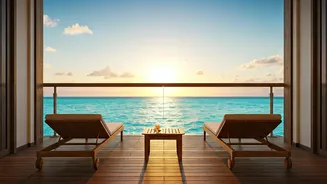
Your daily rhythm in each destination will be wildly different. The Maldives is the undisputed king of the “do nothing in style” vacation. Life revolves around your resort, which is often an overwater bungalow with a private deck leading directly into the lagoon. Days are spent snorkeling, diving, enjoying spa treatments, and indulging in private dining experiences. It is serene, quiet, and intensely romantic, making it a global magnet for honeymooners and couples seeking uninterrupted privacy. The outside world melts away because, for all practical purposes, it’s not there. Mauritius offers a more active and social vibe. While you can certainly find luxurious resorts for pure relaxation, the island beckons you to leave your hotel. You might spend the morning hiking in Black River Gorges National Park, the afternoon exploring the vibrant markets of Port Louis, and the evening sampling street food in Grand Baie. The energy is dynamic and culturally rich. It’s a place for travelers who want to see and do, to interact with local life, and to feel like they’re visiting a country, not just a beach.
The Activities: All About Water vs. Land and Sea
In the Maldives, the activities are almost exclusively water-based, but they are world-class. The clear, warm waters are a paradise for divers and snorkelers, with vibrant coral reefs teeming with manta rays, whale sharks, and sea turtles. Water sports like paddleboarding, jet-skiing, and surfing on specific atolls are popular. But if you’re not a water person, your options are limited to the resort’s offerings, like a spa, gym, or cooking class. Mauritius provides a true land-and-sea playground. On the water, you can go kite surfing, sailing, deep-sea fishing, or take a catamaran cruise to explore nearby islets. On land, the options are even more extensive. Hike to the top of Le Morne Brabant (a UNESCO World Heritage site), discover the stunning Seven Coloured Earths of Chamarel, chase waterfalls like Alexandra Falls, and visit Hindu temples and colonial-era plantations. It’s an ideal destination for the traveler who gets restless after two days on a lounge chair.
The Logistics: A Note on an 'Easy' Escape
Let’s be clear: for American travelers, neither destination is an “easy” flight. Both require long-haul journeys, typically over 20 hours with at least one layover in Europe or the Middle East. The “easy” part of the headline refers to the vacation itself. The Maldives is the definition of a frictionless escape—once you land at the Malé airport, a resort representative whisks you away via seaplane or speedboat, and you don’t have to make another decision until you leave. Mauritius requires a bit more initiative if you want to explore, such as renting a car or hiring a driver, but this is what gives it its adventurous appeal. The best time to visit the Maldives is from November to April to avoid the monsoon season. Mauritius’s peak season is similar, from October to May, steering clear of its humid summer and cyclone risk.