


From Gadgets to Ambiance
Forget the image of a tech enthusiast tinkering with wires and apps. In India's booming cities, the smart home conversation is being led not by tech bloggers, but by interior designers and architects. For a growing segment of affluent Indian homeowners,
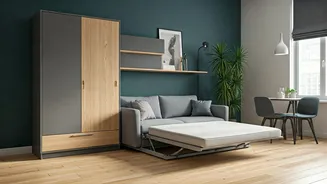
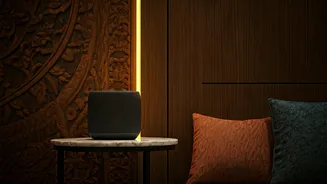
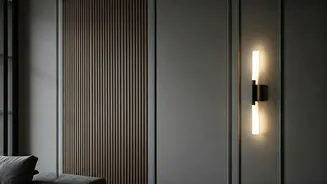
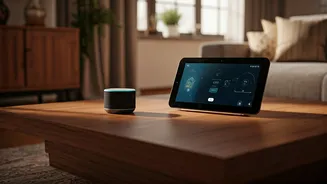
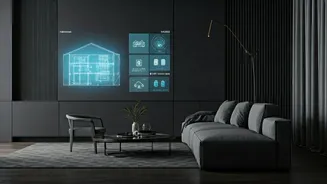
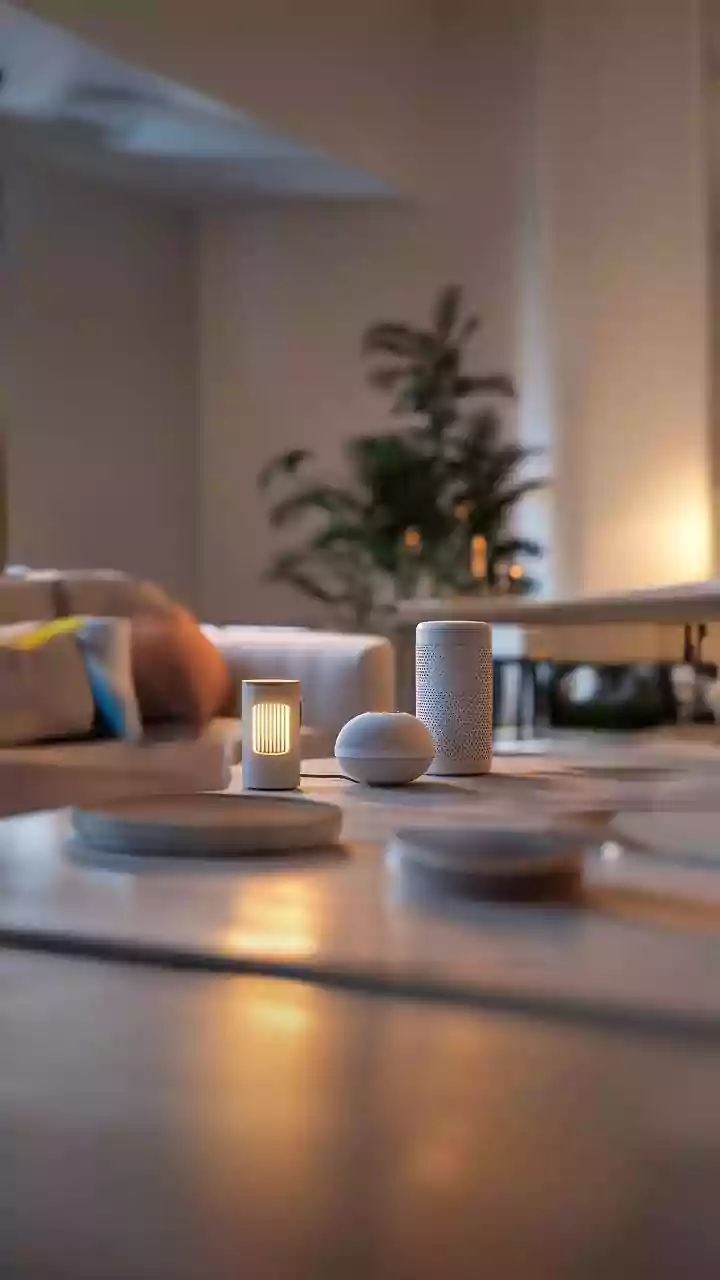
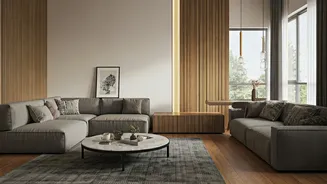
technology is no longer an add-on; it's a fundamental element of luxury and modern living. The goal isn't just automation, but ambiance. Think voice-activated curtains that reveal a cityscape at dawn, lighting scenes that shift from 'work' to 'entertain' with a single command, and entertainment systems that disappear into the walls when not in use. This design-first approach reframes smart technology as a tool for creating a seamless, elegant, and responsive living environment, making it a matter of taste as much as tech.
The New Construction Advantage
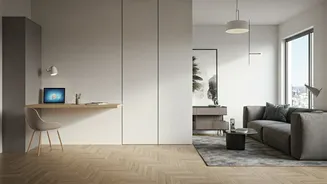
A key catalyst for this trend is India's massive urban real estate boom. Unlike in the U.S., where much of the smart home market involves retrofitting older houses, a significant portion of India's market is in brand-new, high-rise apartment buildings. For developers and new buyers, integrating smart features from the ground up is far more efficient and aesthetically pleasing. It allows for hidden wiring, centralized control hubs, and a cohesive system rather than a patchwork of competing devices. Builders are increasingly offering 'smart-ready' homes as a key selling point, knowing that the infrastructure for automation is a powerful draw for buyers aspiring to a modern lifestyle. This turns the smart home from a DIY project into a built-in luxury feature, like Italian marble or a modular kitchen.
Courting the Design Professionals
Smart home companies have taken notice. Recognizing that interior designers and architects are the new gatekeepers, brands are shifting their marketing focus. Instead of targeting consumers directly with ads for standalone gadgets, they are building relationships with the professionals who shape their clients' homes. They offer training sessions, create designer-friendly product lines with minimalist aesthetics and premium finishes, and develop systems that are easily integrated into architectural plans. A designer can present a client with a holistic vision where the technology enhances—rather than clashes with—the decor. This B2B2C (business-to-business-to-consumer) model is proving incredibly effective, as a single designer's endorsement can lead to dozens of high-value installations.
A New Symbol of Aspiration
Ultimately, the rise of the design-led smart home is a story about aspiration. For India's rapidly expanding middle and upper-middle classes, it's a tangible symbol of having arrived. In a culture that places a high value on the home as a center for family and social life, investing in a sophisticated, tech-enabled environment is a powerful statement. It signals global awareness, technological savvy, and a life of effortless comfort. The ability to control your entire home with a tap on a screen or a simple voice command isn't just about convenience; it's about curating a lifestyle once reserved for science fiction, making the home a showcase of both personal success and contemporary style.