


It’s Not Just Food, It’s Content
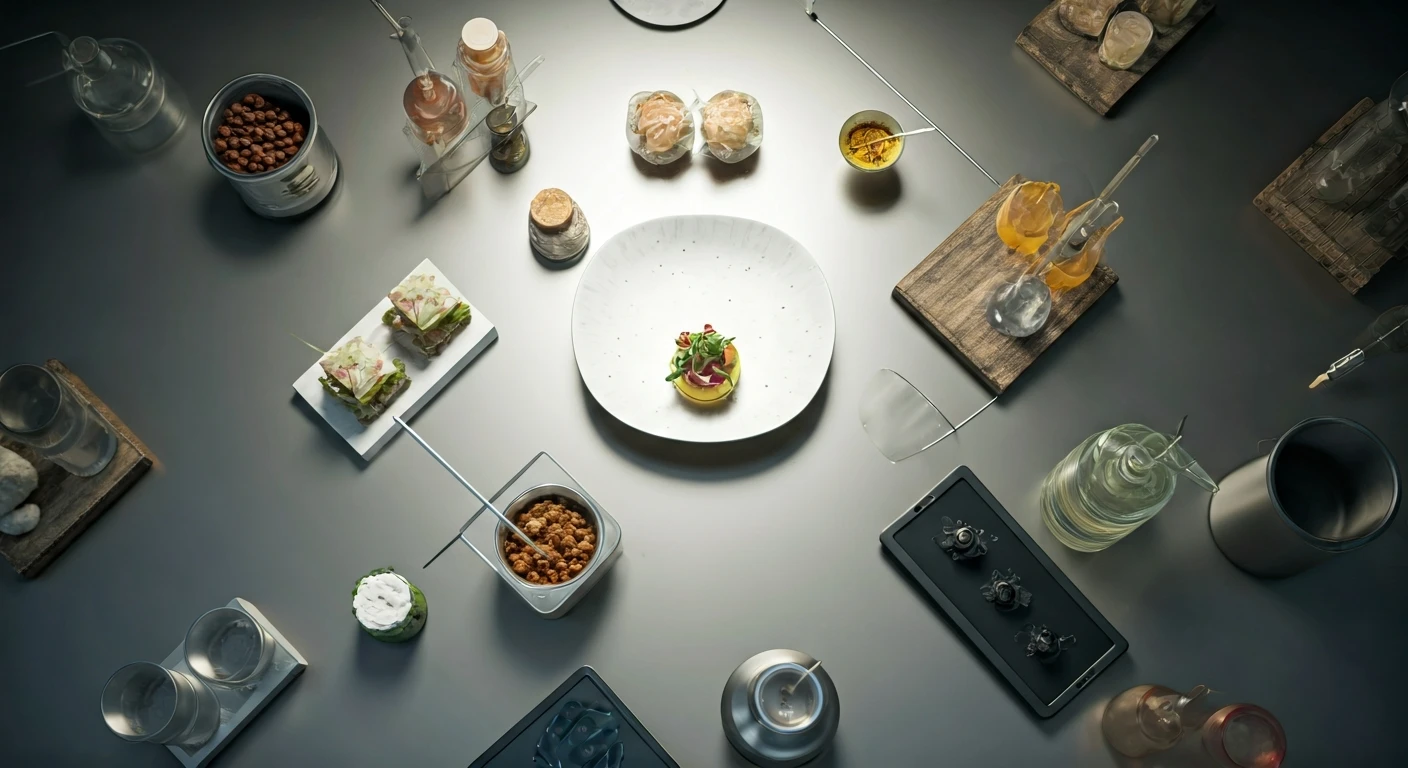
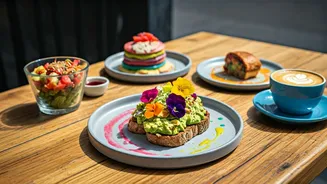
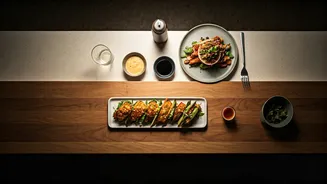
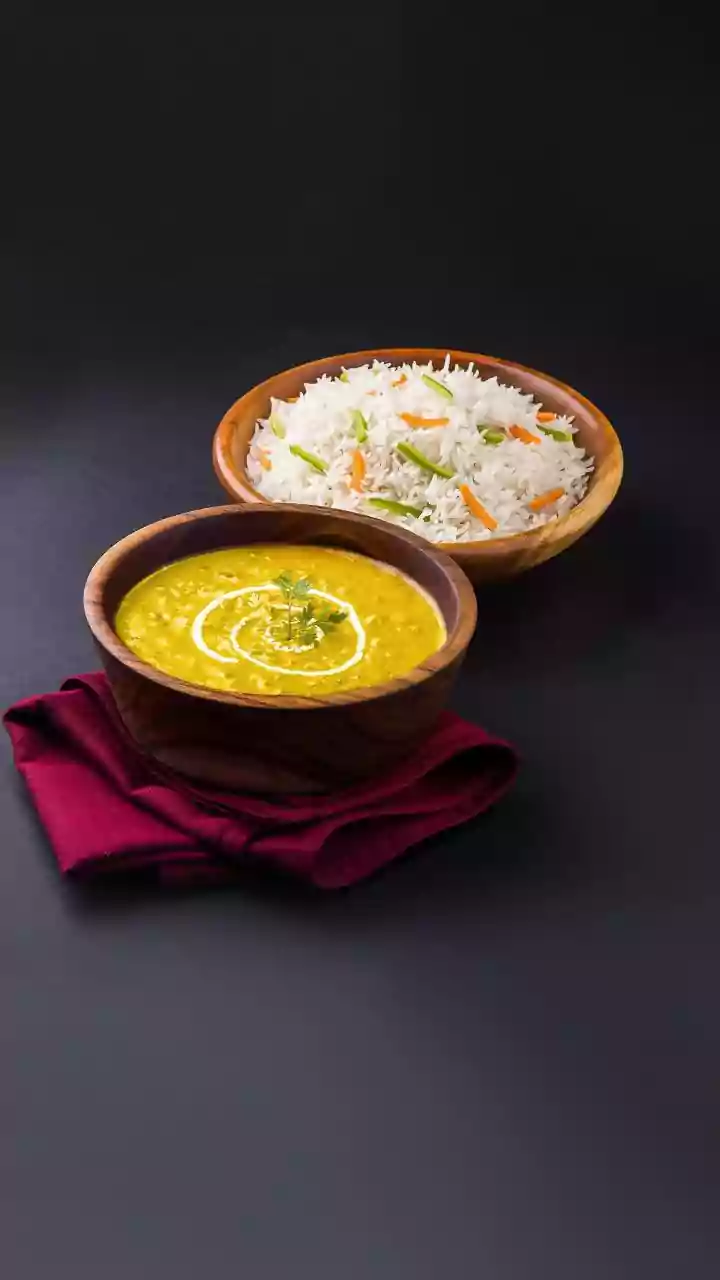
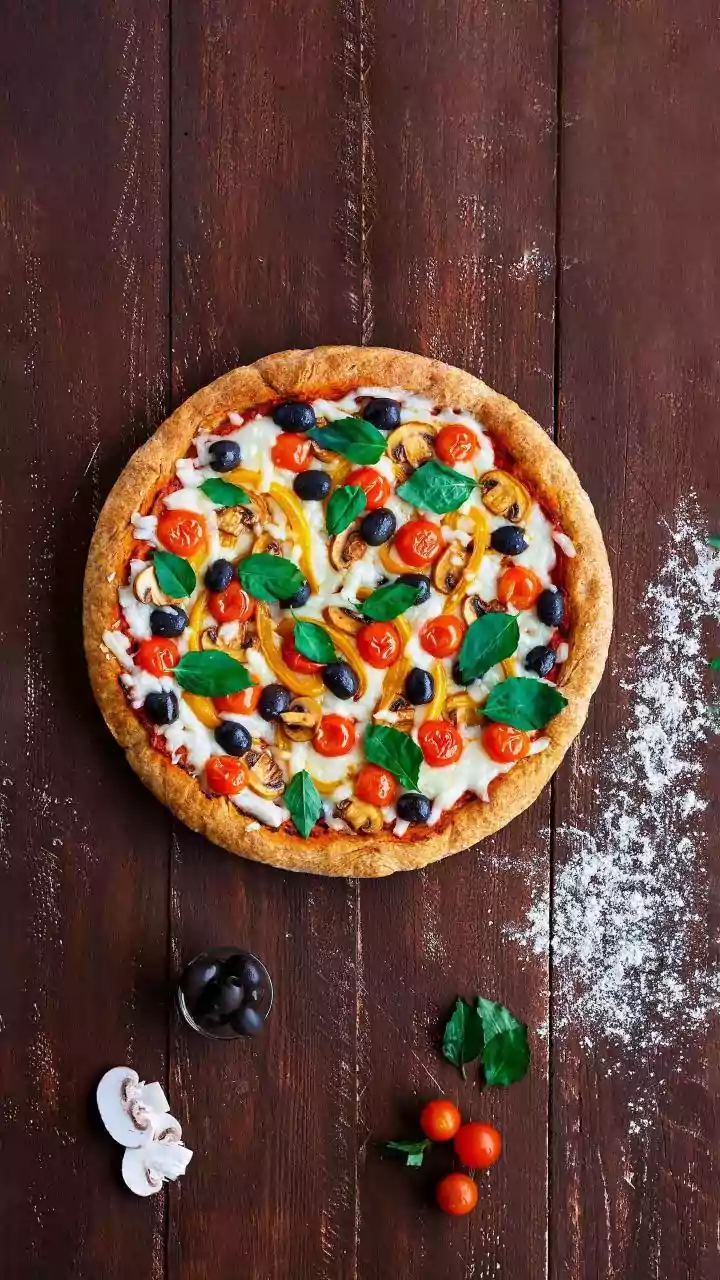
The single biggest driver behind street food’s glow-up is in your pocket. The rise of visual social media, particularly Instagram and TikTok, has fundamentally changed the rules of the game. A dish doesn't just have to taste good; it has to look incredible.
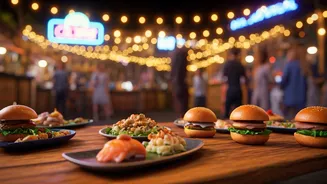
This visual pressure has pushed vendors to become part-chef, part-food stylist. Think vibrant birria tacos with a perfect cheese pull, lobster rolls artfully arranged in branded paper, or rainbow-colored shaved ice designed to pop on a phone screen. The truck itself has become a backdrop—a canvas for bespoke art, neon signs, and clever logos that encourage diners to snap a picture and tag the location. In the modern street food economy, every customer is a potential marketer, and a viral post can be more valuable than a full-page ad. This has created a virtuous cycle: better-looking food gets more social media attention, which drives more foot traffic, justifying the investment in presentation.
The Culinary School-to-Street Pipeline
A decade ago, opening a restaurant required massive capital and risk. Today, a food truck offers a lower-cost entry point for ambitious chefs to test their concepts. This has created a new 'culinary school-to-street' pipeline. Instead of climbing the ladder in a traditional kitchen, talented chefs are taking their high-concept ideas directly to the people. This shift has elevated the quality and creativity of what’s on offer. You’re no longer limited to hot dogs and pretzels. Now, you can find anything from authentic Neapolitan pizza baked in a 900-degree oven on wheels, to complex Thai curries, to deconstructed desserts that would be at home in a fine-dining establishment. These chefs bring discipline, technique, and a passion for high-quality ingredients, turning the sidewalk into a legitimate culinary destination. They’re not just serving food; they’re curating an experience, often with a tightly focused menu that allows them to perfect a handful of signature dishes.
Taps, Apps, and Faster Transactions
The “sells faster” part of the equation is all about technology. The days of fumbling for cash while a long line groans behind you are fading fast. Modern food trucks are tech hubs. Square readers and other point-of-sale systems make contactless and card payments standard, speeding up every transaction. Many vendors have gone a step further, integrating online ordering systems. Customers can now browse a menu, place an order, and pay from their phone before they even arrive at the truck, receiving a text when their food is ready for pickup. This slashes wait times and allows the kitchen to manage order flow more efficiently. QR codes taped to the truck window link directly to menus, eliminating the need for physical ones and allowing for instant updates if an item sells out. This tech infusion doesn't just improve the customer experience; it provides vendors with valuable sales data, helping them optimize their menus, manage inventory, and predict demand.
A Brand You Can Follow
The most successful modern street food vendors understand they’re not just selling lunch—they’re building a brand. A memorable name, a striking logo, and a professionally designed truck wrap are now essential tools for standing out in a crowded market. But the brand extends far beyond the physical vehicle. A savvy social media presence is non-negotiable. Vendors use platforms like Instagram and Twitter to announce their daily location, post mouth-watering photos of their specials, and engage directly with their community of followers. This creates a sense of loyalty and urgency—a 'you have to be here' feeling that turns customers into fans. Following a food truck's digital trail to its physical location has become part of the experience, a mini-adventure that ends with a delicious reward. This direct line of communication transforms a transactional relationship into a communal one, building a dedicated following that will track a truck across town for their favorite meal.