




The Gospel of the Grind
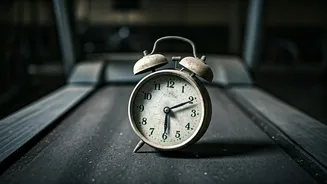
Remember the 2010s? It was the decade of the “grind aesthetic.” From Silicon Valley startup culture to the “girlboss” archetype, the prevailing wisdom was that relentless work was not just necessary, but noble. Success was measured in 80-hour workweeks,
sleepless nights fueled by caffeine, and a performative disdain for vacation. The mantra was simple: work harder than everyone else. This ethos was celebrated online with motivational quotes plastered over images of skylines and luxury cars. It suggested that a lack of financial success was a moral failing, a simple unwillingness to hustle hard enough. This wasn't just a work strategy; it was an identity, promising that immense sacrifice would inevitably lead to immense reward.
Burnout Becomes the Norm
The problem, as millions of people discovered, was that the grind often led to a dead end: burnout. The promised rewards—wealth, status, and fulfillment—remained out of reach for most, while the costs became painfully clear. Physical exhaustion, mental health crises, and strained personal relationships became the unspoken price of admission to the hustle club. The aesthetic of endless productivity began to look less like a path to success and more like a recipe for chronic stress. For many millennials who entered the workforce during or after the 2008 financial crisis, the grind was a necessity for survival. But as they aged into their 30s and 40s, the realization dawned that the finish line kept moving, and the sacrifice was becoming unsustainable.
The Great Reevaluation
The COVID-19 pandemic acted as a global pattern interrupt. Sent home from the office, millions of workers were given an unprecedented opportunity to reevaluate their lives and their relationship with work. The daily commute disappeared, the lines between work and home blurred into oblivion, and the fragility of life was suddenly in sharp focus. This period of reflection triggered what’s been called the “Great Resignation.” But it was more than just people quitting jobs; it was a fundamental shift in values. Concepts like “quiet quitting”—doing the core functions of your job and nothing more—emerged not as acts of laziness, but as a form of self-preservation. Workers began to question whether their identity and self-worth should be so deeply intertwined with their professional output.
From 'Soft Life' to Sustainable Work
In place of the grind, a new set of ideals has taken root. Conversations have shifted to concepts like the “soft life,” a term popularized by the Nigerian influencer community that emphasizes peace, ease, and well-being over struggle. This isn’t about avoiding work altogether. Instead, it’s about prioritizing sustainable work practices, setting firm boundaries, and reclaiming personal time for rest, hobbies, and relationships. Where the old aesthetic idolized the CEO who slept four hours a night, the new one champions the person who leaves work at 5 p.m., turns off notifications, and takes their full PTO. It’s a rejection of the idea that you must destroy yourself to build a career, advocating instead for a pace that allows for both professional growth and personal fulfillment.
Is Rest the New Hustle?
Naturally, as the conversation shifts, so does the market. The wellness industry has been quick to commercialize this new focus on recovery. Sleep-tracking rings, expensive meditation apps, corporate wellness programs, and luxury retreats are all being sold as the antidote to burnout. This raises a critical question: Is the pivot to rest a genuine cultural sea change, or is it just the grind aesthetic repackaged in softer, more marketable terms? The pressure to “optimize” one’s rest can feel suspiciously like the old pressure to optimize one’s productivity. While the focus on health is a positive development, there’s a risk that “performing” wellness becomes just another source of anxiety, another metric by which we judge ourselves and others.