
A Legacy of Kings and Orchards
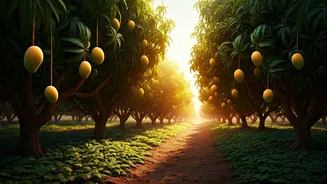
The story of Lucknow's mangoes begins with royalty. In the 18th and 19th centuries, the city was the heart of the kingdom of Awadh, ruled by sophisticated, art-loving Nawabs. These rulers were not just political figures; they were patrons of poetry, music,
and cuisine. For them, horticulture was a high art, and the mango was its ultimate canvas. They sponsored vast orchards, or 'baghs,' in the fertile belt surrounding the city, particularly in the nearby towns of Malihabad and Kakori. Competition among noble families to cultivate the most fragrant, fiberless, and honey-sweet mango was fierce. A superior mango was a status symbol, a diplomatic gift, and the centerpiece of lavish summer feasts, known as 'dawaats.' This royal patronage cemented the mango's place at the pinnacle of Lucknow's cultural and culinary identity, a legacy that still perfumes the air today.
The Dasheri and Its Court
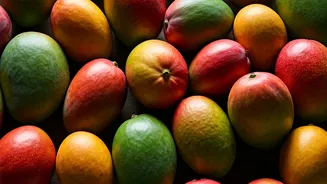
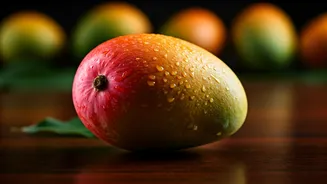
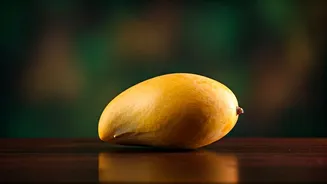
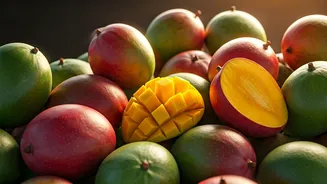
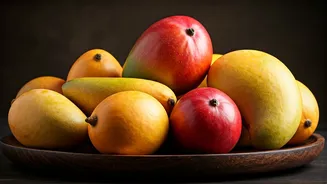
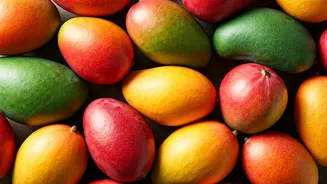
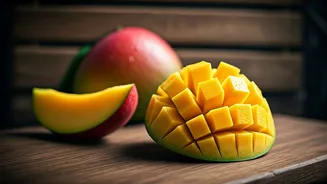
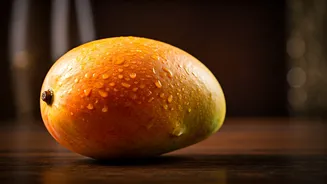
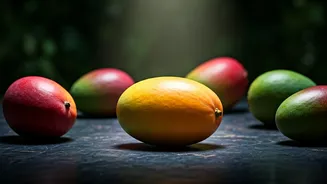
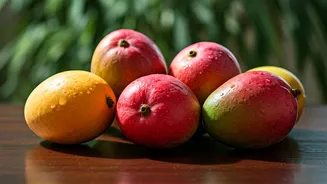
While hundreds of mango varieties exist, in Lucknow, one reigns supreme: the Dasheri. This isn't just any mango. Slender, golden-yellow, and intoxicatingly fragrant, the Dasheri is famous for its completely fiberless flesh and a flavor that hits a perfect note between sweet and tangy. Local lore traces every Dasheri tree back to a single 200-year-old 'mother tree' in a Malihabad orchard, which is still revered and bears fruit. But the Dasheri doesn't rule alone. It's accompanied by a court of other celebrated varieties. There’s the Chausa, a late-season mango with intensely sweet, bright yellow pulp, and the Langra, a slightly greenish variety with a distinctive turpentine-like scent that connoisseurs cherish. For Americans accustomed to the round, reddish Tommy Atkins mangoes in supermarkets—a variety bred for durability, not flavor—experiencing these heritage Indian mangoes is a revelation, akin to tasting a fine Bordeaux after a lifetime of table wine.
More Than Just a Fruit
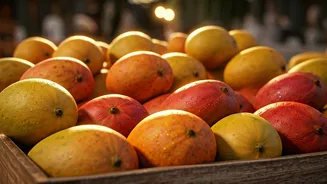
In Lucknow, eating a mango is an event, governed by its own etiquette and traditions. Serious aficionados don't just slice it; they might gently knead the fruit until the pulp liquefies inside, then nip off the top and drink the nectar directly from the skin. Mango parties are a cornerstone of summer social life, where friends and family gather to sample the season's best offerings. Gifting boxes of premium mangoes is a gesture of respect, love, and goodwill, much like bringing a fine bottle of scotch in the West. The fruit is so central to life that the season's progress is marked by the arrival of different varieties. First come the early ones, then the peak-season Dasheris, and finally the late-blooming Chausas, each signaling a different phase of summer. This is a culture where the mango isn't just dessert; it's a conversation, a connection to the past, and the very taste of home.
A Sweet Modern Renaissance
The headline's claim that the culture is 'better than ever' isn't just hype; it reflects a tangible modern revival. For years, the tradition was at risk of fading as younger generations moved to cities. But now, a renewed sense of pride is fueling a renaissance. Orchardists are blending age-old grafting techniques with modern agricultural science to improve yields and fruit quality. Social media has turned mango connoisseurship into a photogenic hobby, with food bloggers and influencers celebrating the unique stories of each variety. Furthermore, improved logistics and a growing global appetite for authentic flavors have opened new export markets. Lucknow's prized mangoes, once a local secret, are now being shipped to the Middle East, Europe, and even discerning buyers in the U.S. This new wave of appreciation and commercial opportunity is infusing the centuries-old culture with fresh energy, ensuring its survival and making the flavors of the Nawabs accessible to a whole new world.