


From Ancient Root to Wellness Rockstar
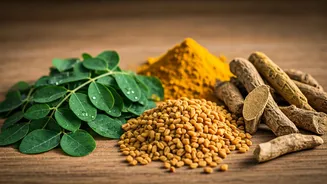
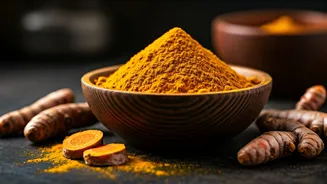
For centuries, turmeric was the ultimate behind-the-scenes player. In its native South and Southeast Asia, the vibrant, gnarly root has been a cornerstone of cuisine and traditional medicine, particularly Ayurveda, for millennia. Its brilliant color gave
curries and rice dishes their signature golden hue, but its earthy, slightly bitter flavor was often part of a complex chorus of spices, not the lead singer. Then came the wellness boom of the 2010s. Suddenly, the Western world wasn't just interested in turmeric; it was obsessed with its active compound, curcumin. Hailed for its anti-inflammatory and antioxidant properties, curcumin became a supplement superstar. This health halo effect created the first wave of mainstream turmeric popularity, leading directly to the now-ubiquitous golden milk latte. It was turmeric as medicine, a virtuous choice disguised as a comforting beverage.
Beyond the Latte: A Culinary Glow-Up
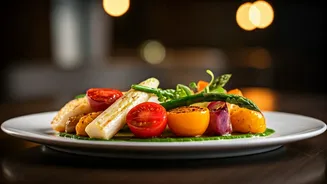
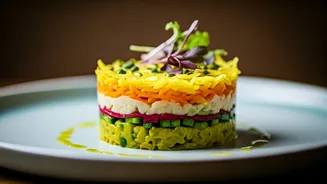
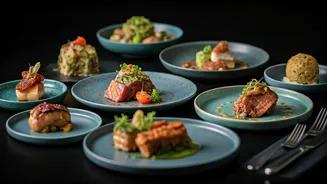
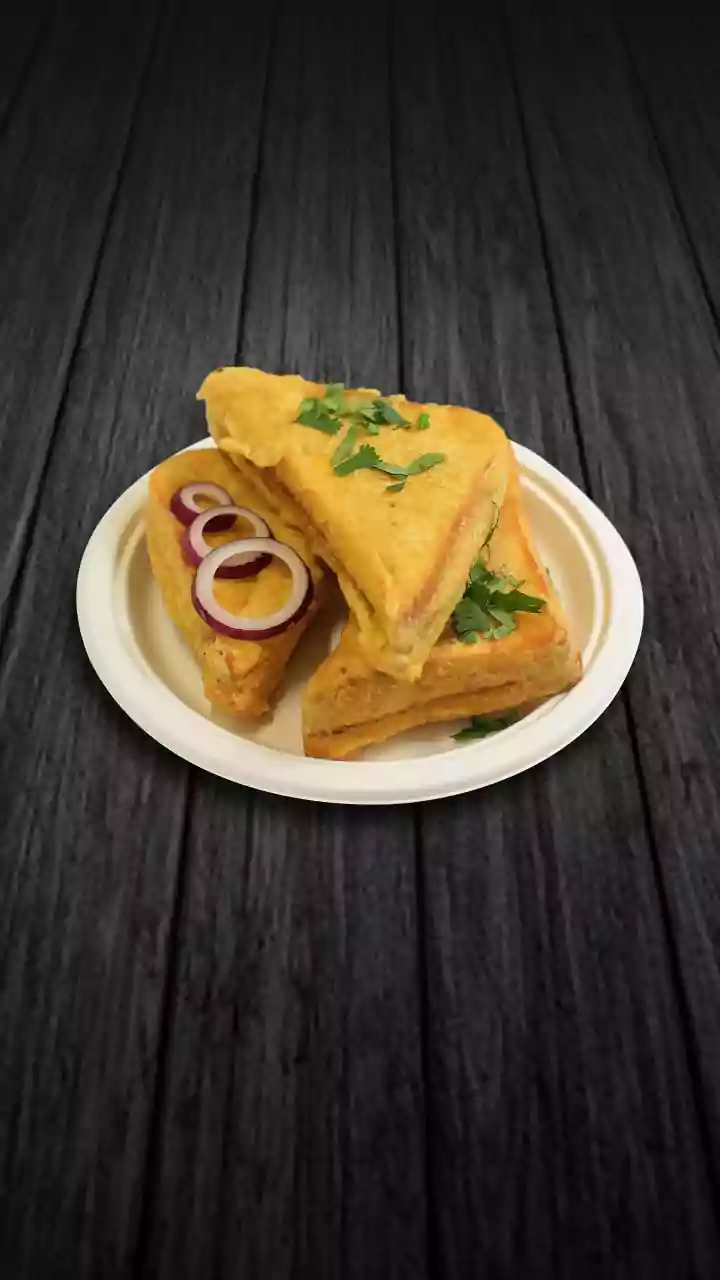
But a funny thing happened on the way to the pharmacy: chefs started treating turmeric as a flavor, not just a health booster. The new wave of “turmeric-forward” food isn’t about hiding it in a smoothie; it’s about celebrating its unique taste profile. This is where the trend gets its “serious global love.” In innovative kitchens from Los Angeles to London, chefs are using fresh and dried turmeric to create dishes with depth and character. Think turmeric-infused sourdough with a deep yellow crumb and a subtle, earthy aroma. Picture handmade pasta dough stained gold, served with a simple butter and black pepper sauce. We’re seeing it in savory yogurt bowls, as a primary spice for roasting cauliflower until it’s intensely flavorful, and as the base for complex marinades for chicken and fish. It’s no longer just for color; it's for a distinct, memorable flavor.
Mastering the Golden Flavor
Cooking with turmeric as the star requires a new level of culinary respect. On its own, turmeric can be pungent, medicinal, and even a little harsh. Its power lies in how it plays with others. The new turmeric-forward approach is all about balance. Chefs have learned that its earthy bitterness is beautifully rounded out by fats like coconut milk, ghee, or olive oil. Its flavor pops when paired with acidity from lemon or lime. And its potency is amplified by other spices, most famously black pepper (which contains piperine, a compound that helps the body absorb curcumin) but also ginger, cinnamon, and cardamom. This thoughtful pairing is what separates a clunky, health-store-tasting dish from a sophisticated, modern plate where turmeric truly shines. It’s being used with the same intention and nuance once reserved for ingredients like saffron or truffles.
A Global Pantry, One Spice at a Time
Ultimately, the rise of turmeric-forward food is about more than just a single ingredient. It’s a sign of our increasingly globalized pantry and palate. As diners and home cooks become more adventurous, they are seeking out bolder, more complex flavors from around the world. Turmeric, once considered “exotic” by many in the U.S., is now a familiar staple. Its journey from a background role in traditional dishes to a headlining ingredient in modern global cuisine reflects a broader cultural shift. It represents a move away from simply borrowing ingredients and toward a deeper understanding and appreciation of their history, flavor, and culinary potential. The love for turmeric isn't just about health benefits anymore; it's about a genuine love for its incredible flavor and versatility.