
The Rise of the 'It' Plant
Not long ago, the term 'plant person' conjured a specific image, often involving a quiet neighbor with a sunroom full of dusty ferns. Today, that image has been completely renovated. The humble houseplant is no longer just a hobbyist’s quiet companion;
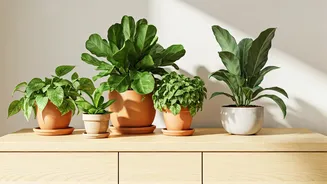
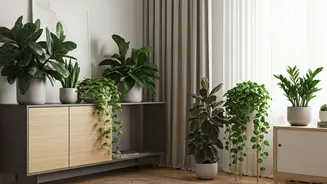
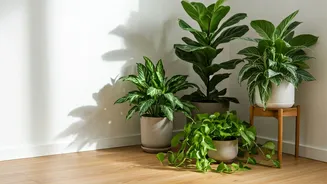
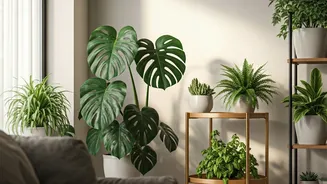
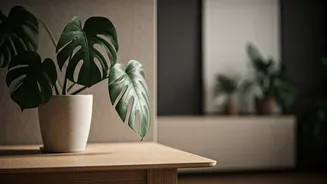
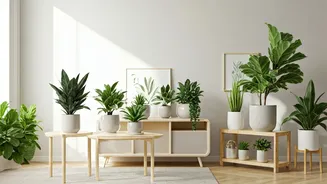
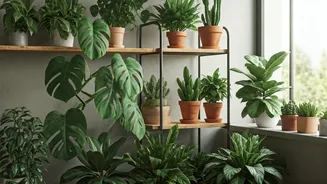
it’s a piece of status decor, a living sculpture that signals taste, care, and a certain aspirational lifestyle. This isn't about just any plant, either. The trend has been driven by specific, highly photogenic 'it' plants. The Monstera Deliciosa, with its iconic split leaves, became the unofficial logo of millennial-friendly startups and cafes. The Fiddle-Leaf Fig, tall and temperamental, became the ultimate interior design challenge and prize. These plants aren't just greenery; they are curated objects, as deliberately chosen as a mid-century modern chair or a gallery wall. They represent a shift in what we consider luxury—not just expensive objects, but living things that require attention and create a specific, calming atmosphere.
Scrolling Through the Urban Jungle
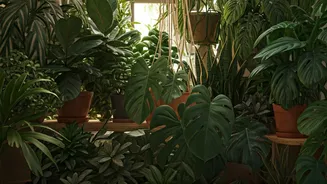
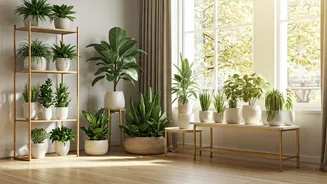
You cannot talk about the houseplant boom without talking about social media. Instagram, Pinterest, and TikTok transformed plant ownership from a private pleasure into a public performance of domestic bliss. Hashtags like #urbanjungle (with millions of posts) and #plantsofinstagram created a global, visual mood board for green living. Suddenly, your apartment wasn't just a place to live; it was a potential backdrop. This visual pressure cooker fueled a cycle of aspiration and acquisition. People saw beautifully curated, plant-filled homes online and wanted to replicate that aesthetic. This gave rise to the 'plantfluencer,' individuals who built massive followings by sharing their plant collections, offering care tips, and showcasing picture-perfect green spaces. They demystified plant care for a new generation, turning intimidating botanical names into must-have shopping list items and making the local nursery a weekend hot spot.
A Wellness Ritual in a Pot
While aesthetics are a powerful driver, the trend runs deeper than just looking good. It’s rooted in the modern obsession with wellness. The concept of 'biophilia'—the innate human desire to connect with nature—has gone mainstream. In an increasingly urbanized and digital world, bringing plants indoors is a simple, accessible way to answer that call. The pandemic dramatically accelerated this. Confined to our homes, we sought ways to make our spaces more livable and less sterile. Plants offered a sense of life, growth, and purpose. The ritual of watering, pruning, and checking for new leaves became a form of mindfulness, a welcome, screen-free distraction from endless Zoom meetings and existential dread. Caring for something and watching it thrive provides a tangible sense of accomplishment and a connection to the natural world that many people didn't realize they were missing.
More Than Just Decoration
Ultimately, the explosion of indoor plant shopping speaks to a search for authenticity and connection. In an era of fast furniture and disposable trends, a plant is a long-term commitment. It's an analog hobby in a digital age. It fosters community, whether through online forums where people trade advice on battling spider mites or local plant swaps where neighbors exchange cuttings. Retailers have responded in kind. Boutique plant shops have become community hubs, offering workshops on repotting or building terrariums. Even big-box stores have expanded their indoor plant sections far beyond a few sad-looking orchids. The act of buying a plant has become an experience—a hunt for a unique specimen, a conversation with a knowledgeable employee, a hopeful investment in a greener, more beautiful home.