




Beyond Garnish: What is 'Tropical' Now?
For years, “tropical” in American cuisine was often a caricature: a pineapple ring on a ham, a maraschino cherry in a cloyingly sweet drink, or a heavy coconut cream sauce. But the new tropical mood is something else entirely. It’s less about kitsch and
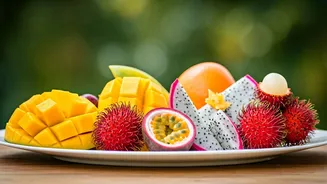
more about complexity, freshness, and a direct line to sunshine. It’s a culinary aesthetic built on the interplay of sweet, sour, spicy, and savory. Think of the electric tang of passion fruit cutting through the richness of a scallop crudo, the smoky heat of jerk spice on grilled carrots, or the bright, herbaceous punch of a perfectly balanced ceviche. This new wave pulls inspiration from across the globe—from the acidic citrus cures of Latin America to the funky, fermented notes of Southeast Asia and the vibrant fruit-forward dishes of the Caribbean. It’s about using these bold flavors with a light, modern touch that feels both invigorating and sophisticated.
Escapism on a Plate
So, why this trend, and why now? The answer is partly a reaction to years of culinary navel-gazing and heavy comfort foods. After a period where everyone seemed to be perfecting sourdough or braising brisket, there's a collective craving for something lighter and more adventurous. These tropical plates are the antithesis of a food coma; they’re energizing. Chefs and home cooks are turning to ingredients like yuzu, calamansi, guava, and tamarind to wake up the palate. But there’s a deeper, more psychological driver at play: travel. For many, a trip to a sun-drenched coast isn't in the cards every summer. A plate of halibut with mango-chili salsa or a bowl of chilled soup bursting with lime and cilantro offers a powerful sensory shortcut—a moment of delicious escapism without the price of a plane ticket. It’s a way to experience the world, one vibrant bite at a time.
Showing Up on the Menu
Look closely at menus in any major U.S. city, and you’ll see the evidence. Fine dining restaurants are ditching heavier French-inspired sauces for aguachiles and vibrant fruit-based “leche de tigre.” Neighborhood bistros are swapping out the standard Caesar for salads featuring hearts of palm, avocado, and toasted coconut. Even cocktail bars are getting in on the act, moving beyond the tiki-bar clichés to create drinks with fresh-pressed sugarcane juice, chili-infused tequila, and tamarind syrups. The trend is also incredibly versatile. It shows up in grilled fish tacos with pineapple salsa, in vegan jackfruit curries, and in charred sweet potatoes drizzled with a spicy lime crema. This isn't a niche cuisine; it's a flavor profile and an ethos being adapted across the entire dining spectrum, proving its broad appeal and staying power.
How to Catch the Vibe at Home
Embracing this mood in your own kitchen is surprisingly simple. It’s less about mastering complicated recipes and more about stocking a few key ingredients. Start by upgrading your pantry. A bottle of good fish sauce, a shaker of Tajín (a chili-lime-salt seasoning), a tube of ginger paste, and quality coconut milk can form the backbone of dozens of dishes. Focus on freshness. Keep a constant supply of limes and fresh herbs like cilantro and mint on hand. When you're at the store, grab a mango, a papaya, or a few passion fruits. You don’t need to cook a multi-course meal. Start small: squeeze lime over your grilled chicken. Add diced mango to your black bean salad. Whisk some passion fruit pulp into a simple vinaigrette. The goal is to add a pop of bright, acidic, and sweet flavor that transforms an ordinary meal into something memorable.