




The Golden City's Paradox
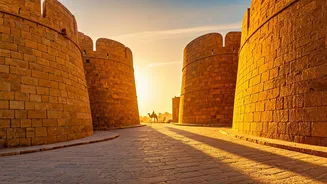
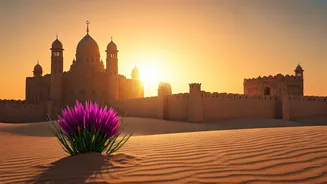
Jaisalmer, the “Golden City” of Rajasthan, is carved from the very heart of the Thar Desert. Its magnificent fortress, a sprawling sandcastle of yellow sandstone, rises from the arid landscape like a mirage. For decades, the travel script has been simple:
visit in the cooler, dry winter months to avoid the furnace-like heat of summer. Proposing a trip here during the monsoon season—roughly July through September—sounds like a mistake, a fundamental misunderstanding of geography. Why would you seek rain in a place famous for its lack thereof? But that’s the curveball. The magic of monsoon Jaisalmer isn’t about torrential downpours; it’s about transformation. The city receives just enough rain to change its character completely. The meager annual rainfall is a feature, not a bug. You get the atmospheric drama of the monsoon without the logistical nightmare of navigating a flood. It’s an experience that turns the conventional wisdom about desert travel on its head.
When the Sky Breaks
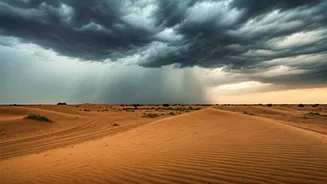
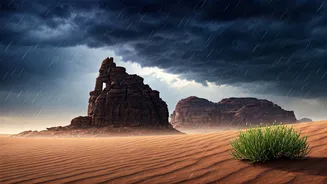
The first thing you’ll notice is the sky. After months of unrelenting, hazy sun, the monsoon brings towering, dramatic clouds. Brooding grey and deep indigo formations drift over the golden-hued fortress, creating a visual contrast that is nothing short of breathtaking for photographers and poets alike. The air, once thick with dust, is washed clean. When the infrequent showers do arrive, they are often brief and spectacular. As the rain hits the ancient sandstone, the city’s famous golden glow deepens into a rich, saturated ochre. The streets gleam, the dust settles, and a fresh, earthy smell—petrichor—rises from the parched ground. The oppressive heat of summer breaks, replaced by a pleasant, breezy warmth that makes exploring the fort’s labyrinthine alleys a joy rather than an endurance test. The entire city seems to take a long, collective, and refreshing breath.
An Intimate, Crowd-Free Romance
Perhaps the most romantic aspect of a monsoon visit is the solitude. This is Jaisalmer’s off-season. The crowds that throng the fort and its palaces during the peak winter months are gone. Instead of jostling for a view, you’ll find yourself sharing stunning vistas with only a handful of others, or perhaps no one at all. The silence in the narrow lanes is palpable, broken only by the sound of the wind or a distant temple bell. This lack of tourists creates a more authentic and intimate experience. Shopkeepers are more relaxed and chatty. Hotel prices drop significantly, meaning you can afford a stay in a beautifully restored *haveli* (a traditional mansion) that might be out of reach in December. You can linger over a cup of chai in a rooftop café, watching the clouds dance over the city below, feeling less like a tourist and more like a privileged guest who’s been let in on a wonderful secret. The city is yours to discover at a slower, more contemplative pace.
A Desert in Bloom
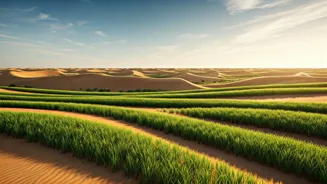
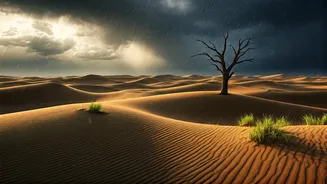
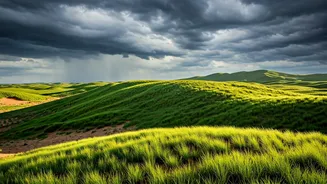
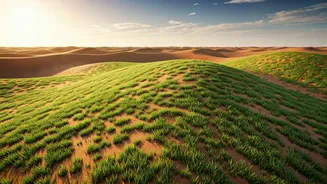
The magic isn’t confined to the fortress walls. The surrounding Thar Desert undergoes its own subtle but profound metamorphosis. The sparse, thorny scrub that dots the landscape suddenly bursts with a surprising flush of green. Wildflowers may briefly carpet patches of sand. The Gadisar Lake, a 14th-century reservoir on the outskirts of the city, fills with water, its ornate cenotaphs and temples appearing to float on its newly reflective surface. A boat ride here during the monsoon is a serene, almost surreal experience. A jeep safari into the desert during this period is a completely different adventure. Instead of seeking dunes, you’re chasing clouds and witnessing the rare spectacle of life returning to an arid ecosystem. It’s a powerful reminder of nature’s resilience and a sight few visitors to Rajasthan ever get to see.