



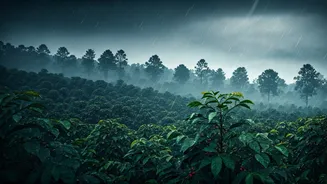


Welcome to the 'Scotland of India'
Tucked away in the Western Ghats, a mountain range running parallel to India’s western coast, lies the district of Kodagu, more famously known by its anglicized name, Coorg. For decades, it has earned the nickname the “Scotland of India,” and while you
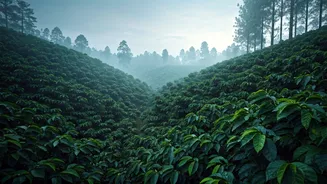
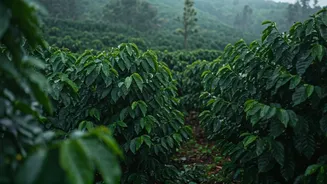
won’t find any kilts or bagpipes, the comparison is immediately understandable. It’s a land of misty hills, dramatic landscapes, and a persistent, gentle coolness that feels a world away from the tropical heat of southern India. But Coorg’s identity is more than just its topography. It's a place where the landscape is a character, where the weather dictates the mood, and where life revolves around a single, aromatic bean. Getting there usually involves a scenic, winding drive from cities like Bangalore or Mysore, a journey that feels like a slow ascent into another realm. The cities fall away, replaced by dense forests and, eventually, the unmistakable sight of neatly trimmed coffee bushes stretching as far as the eye can see.
A World Built on Coffee
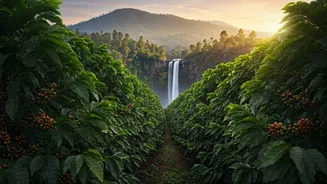
You can’t talk about Coorg without talking about coffee. This isn’t just an industry here; it’s the region's lifeblood, its history, and its very aroma. The hills are carpeted with plantations growing both robusta and the more delicate arabica beans under the shade of towering rosewood and silver oak trees. This shade-grown method not only protects the coffee from harsh sunlight but also creates a rich ecosystem where spices like cardamom, pepper, and vanilla climb the same trees, infusing the air with a complex bouquet. To truly understand Coorg, you must walk through one of these plantations. The experience is multi-sensory. You’ll hear the calls of exotic birds, see the vibrant red of ripe coffee cherries during harvest season (typically November to February), and feel the damp, loamy soil underfoot. Many plantations offer tours where local guides explain the bean-to-cup journey with infectious pride. The tour almost always ends with a tasting—a cup of locally brewed coffee that tastes richer, deeper, and more alive than anything you’ll find at your corner café. It’s the taste of the soil, the rain, and the mist, all in one cup.
Embracing the Ethereal Mist
If coffee is Coorg’s foundation, the clouds are its soul. The monsoon season (June to September) transforms the region into a mystical wonderland. Heavy clouds descend from the heavens, wrapping the hills in a thick, white blanket and reducing visibility to mere feet. It’s not weather for the faint of heart, but for those who embrace it, the experience is magical. Waterfalls like the famous Abbey Falls, which can be a modest cascade in the dry season, become thunderous torrents, roaring through the lush greenery. Even outside the monsoon, the clouds are a constant presence. One of the most popular spots is Raja’s Seat, a simple garden in the main town of Madikeri. It’s said that the kings of Kodagu would come here to watch the sunset. Today, visitors gather to watch a different kind of show: the mesmerizing dance of clouds rolling through the valley below. It’s a humbling spectacle that reminds you of nature's quiet power.
Where to Find Your Perfect Combo
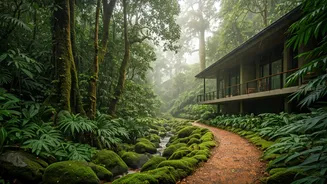
The ultimate way to experience Coorg is by staying at a plantation homestay or a boutique resort. These accommodations are often colonial-era bungalows or modern cottages set right in the middle of a working coffee estate. Waking up here means your first sight is a sea of green, your first sound is birdsong, and your first smell is blooming coffee blossoms or roasting beans. It’s an immersive experience that connects you directly to the land. For the full “coffee and clouds” experience, the best time to visit is from October to March. The monsoons have just ended, leaving the landscape impossibly lush and green, the waterfalls are still full, and the air is crisp and misty, especially in the mornings. This period also coincides with the coffee harvesting and processing season, allowing you to witness the entire cycle firsthand. You get the best of both worlds: the vibrant life of the coffee plantations and the lingering, atmospheric presence of the clouds.