




First, What Is Fermentation?
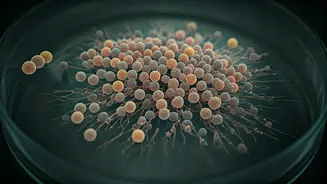
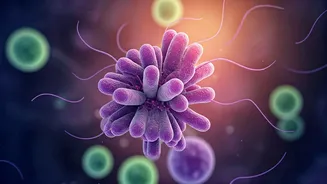
At its core, fermentation is a natural process where microorganisms like bacteria, yeast, or fungi convert carbs—such as starches and sugars—into alcohol or acids. Think of it as a controlled transformation. These tiny microbes act as microscopic chefs,
breaking down food components into a more digestible form while creating unique flavors, textures, and aromas. This is the magic behind sourdough bread's tang, yogurt's creaminess, and beer's fizz. For centuries, this was simply a brilliant method of food preservation. Before refrigeration, fermenting vegetables, milk, and grains was how communities kept food edible through long winters. What our ancestors knew through practice, modern wellness is now exploring through science: the process doesn't just preserve food; it fundamentally changes it, often for the better.
The Gut Health Connection
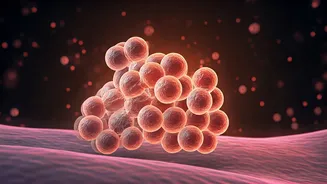
The main reason fermentation is the talk of the town is its link to gut health. In recent years, scientists have begun to understand the profound importance of the gut microbiome—the trillions of bacteria and other microbes living in our digestive tract. Far from being passive bystanders, these microbes form a complex ecosystem that influences everything from digestion and immunity to mood and metabolism. A healthy microbiome is diverse, with a good balance of beneficial bacteria. However, modern lifestyles—high in processed foods, stress, and antibiotic use—can disrupt this delicate balance. This is where fermented foods come in. Many are rich in probiotics, which are live, beneficial bacteria that can help replenish and diversify your gut’s microbial community. Think of it as planting a new variety of helpful flowers in your internal garden.
So, What Are the Real Benefits?
While research is ongoing and no single food is a silver bullet, studies suggest that incorporating fermented foods into your diet may offer several advantages. First, the probiotics they contain can support a healthy gut environment, which is linked to better immune function. Second, the fermentation process can make food easier to digest. For example, people with lactose intolerance often find yogurt or kefir more tolerable than milk because the bacteria have already broken down much of the lactose. Furthermore, fermentation can actually increase the bioavailability of certain nutrients, meaning your body can absorb them more easily. The process can also create new beneficial compounds, including certain B vitamins and short-chain fatty acids, which are the main source of energy for the cells lining your colon. While claims about curing diseases are overstated, a consistent intake of varied fermented foods is widely seen by nutrition experts as a positive addition to a balanced diet.
Your Guide to Getting Started
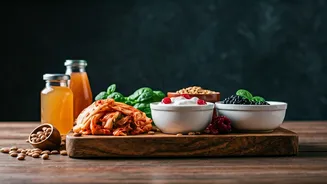
Ready to give it a try? The good news is that fermented foods are delicious and diverse. You don't have to force down anything you don't like. Here are some popular options: * **Yogurt & Kefir:** These fermented dairy products are probiotic powerhouses. Look for labels that say "live and active cultures" and minimal added sugar. * **Sauerkraut & Kimchi:** Fermented cabbage is a classic. Sauerkraut offers a tangy crunch, while its Korean cousin, kimchi, brings a spicy, umami-packed punch. Be sure to buy the refrigerated kind, as shelf-stable versions are often pasteurized, killing the beneficial bacteria. * **Kombucha:** This fizzy, fermented tea has exploded in popularity. It's a great alternative to soda, but read the label—some brands are very high in sugar. * **Miso & Tempeh:** Miso is a fermented soybean paste that adds a savory, salty depth to soups and marinades. Tempeh, a fermented soybean cake, is a firm, nutty-tasting plant-based protein source.
A Word of Friendly Advice
While the benefits are promising, it's wise to approach the trend with balance. Fermented foods are not a cure-all, and more isn't always better. If you're new to them, start slowly. Introducing a large amount of probiotics at once can sometimes cause temporary digestive discomfort like gas or bloating as your gut adjusts. Also, be mindful of sodium in things like sauerkraut and miso, and sugar in flavored kombucha and yogurt. The goal is to add beneficial foods to your diet, not to replace a healthy foundation of fruits, vegetables, and whole grains. Listen to your body and find what works for you.