

More Than Just Vastu
For generations, the blueprint for a harmonious Indian home was largely dictated by Vastu Shastra, an ancient architectural doctrine focused on directional alignments and spatial geometry to channel positive energy. While Vastu’s principles of flow and balance
haven’t disappeared, they are now part of a much broader and more personal conversation about wellness. The new approach is less about rigid rules and more about cultivating a specific feeling: tranquility. It's a shift from a prescriptive 'correct' layout to an intuitive design that actively supports mental and emotional health. This modern interpretation sees Vastu not as a checklist, but as a foundational layer upon which to build a deeply personalized environment of peace.
Carving Out Sanctuary Spaces
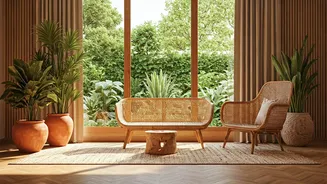
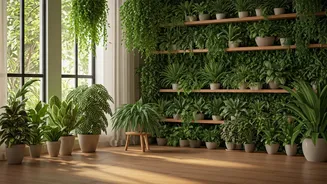
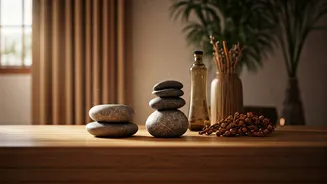
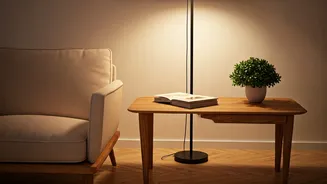
A key feature of this wellness era is the creation of dedicated zones for decompression. In bustling cities and multi-generational households, carving out a sliver of personal space is a newfound luxury. This isn't just about a home office. It's about 'un-plugged' corners: a window-side armchair for reading, a balcony brimming with potted plants, or a corner of the living room with just a yoga mat and a few cushions. The traditional puja room (prayer space) is also evolving. For some, it’s becoming a larger, more meditative space, integrating elements of mindfulness that appeal to younger family members. For others, it’s a minimalist nook, proving that spiritual solace doesn't require ornate trappings—just intention.
A Return to Earthy Materials
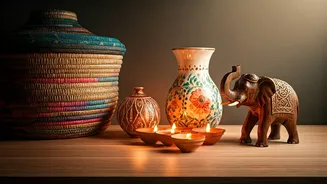
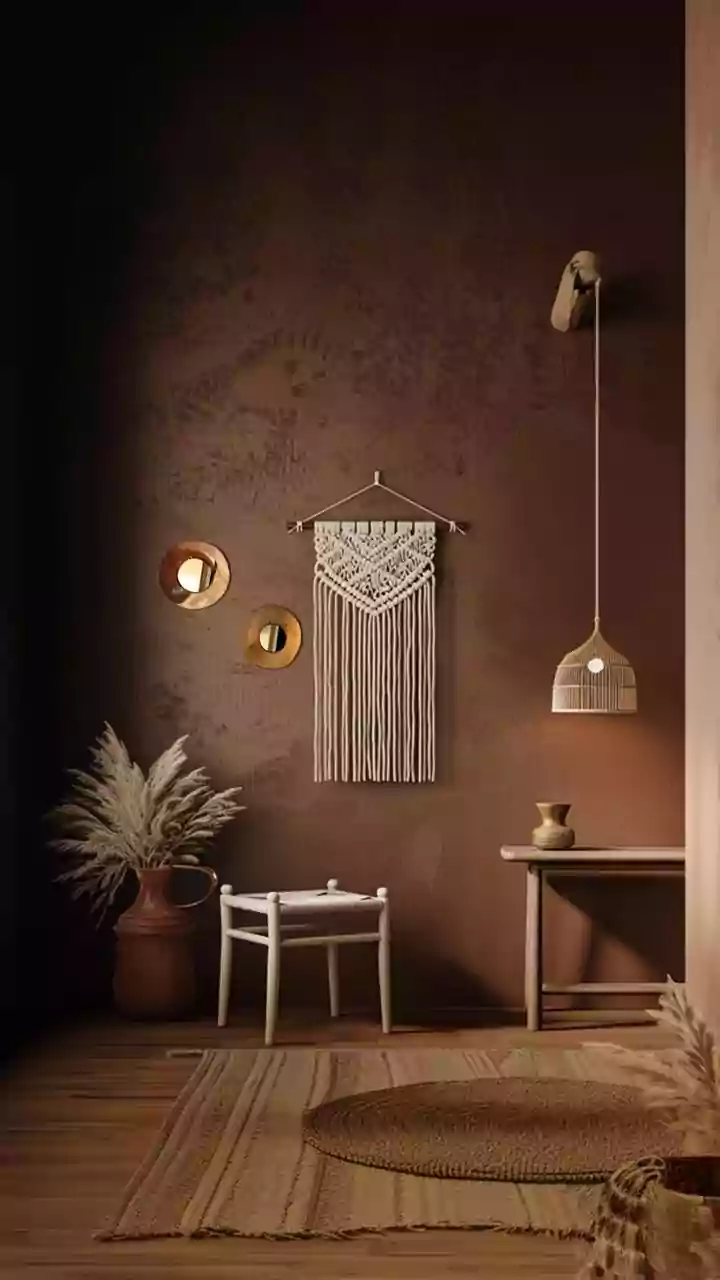
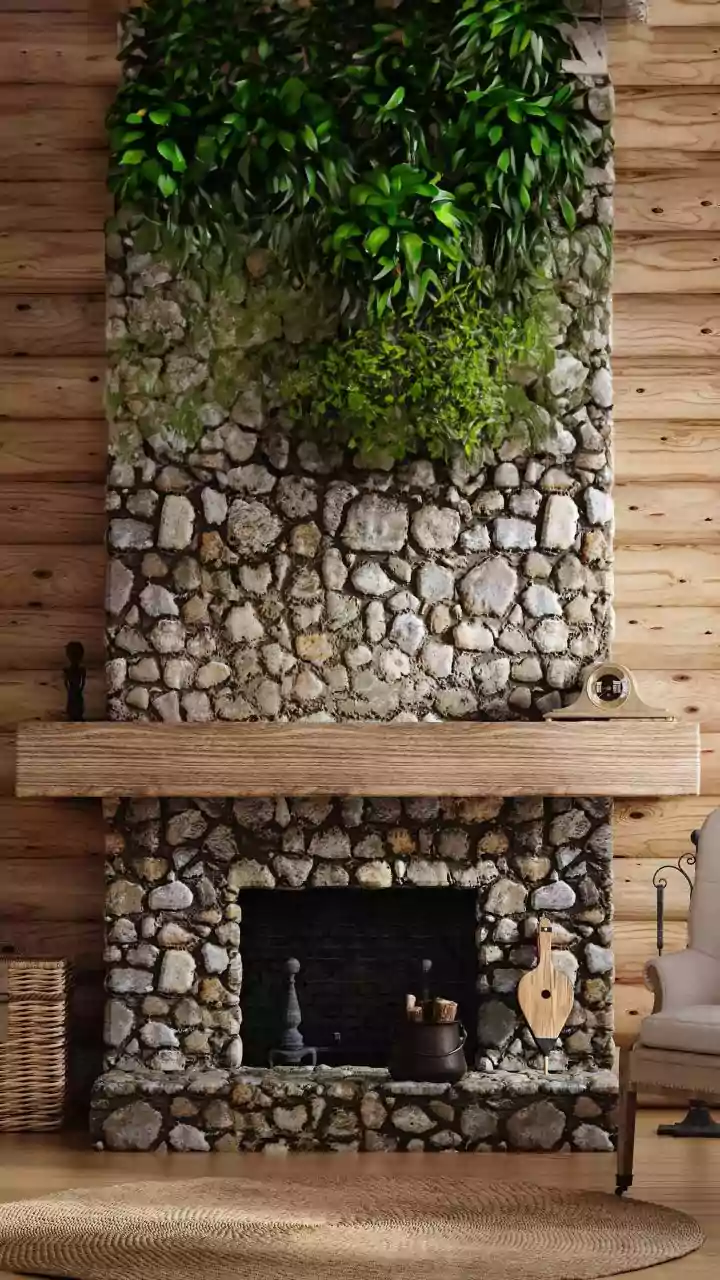
Look inside a modern Indian wellness-focused home, and you'll see a clear rejection of the mass-produced and synthetic. There's a powerful return to natural, tactile materials that tell a story. Cool terracotta floors, breathable lime-plaster walls, and handcrafted furniture made from cane, jute, and reclaimed wood are increasingly popular. These materials do more than just look good; they engage the senses. Brass and copper, long valued in Ayurvedic tradition for their health properties, are making a comeback in everything from kitchenware to light fixtures. This embrace of earthy, artisanal elements is a quiet rebellion against globalization’s homogeneity, grounding the home in a sense of place and authenticity.
Tech That Serves Tranquility
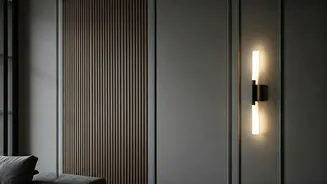
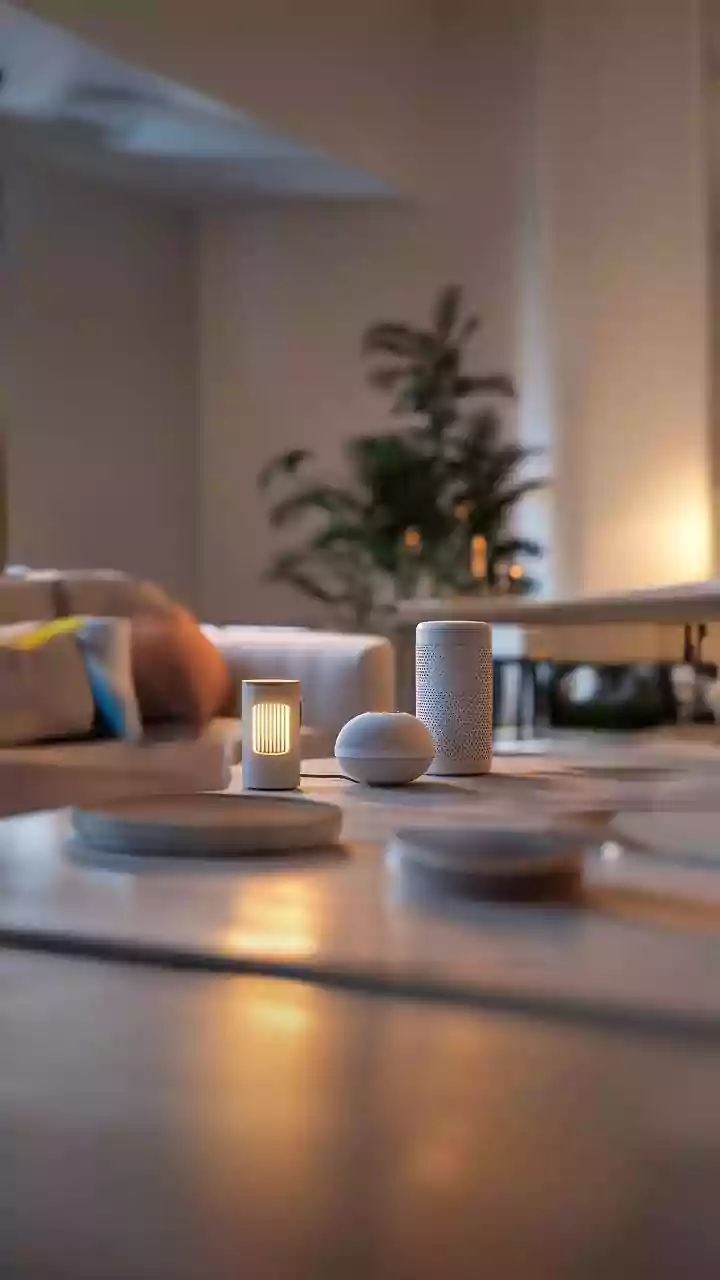
This movement isn’t anti-technology; it’s about harnessing tech to serve tranquility rather than disrupt it. The focus is on seamless, almost invisible wellness integration. Think human-centric lighting systems that sync with circadian rhythms, promoting better sleep by mimicking the natural progression of sunlight. Air purifiers, once a niche product, are now standard in many urban homes, tackling pollution and creating a bubble of clean air. Smart speakers are used for playing meditative soundscapes or guided breathing exercises. The goal is to use technology to automate away the small stresses of daily life, freeing up mental bandwidth for rest and connection.
The Reimagined Family Home
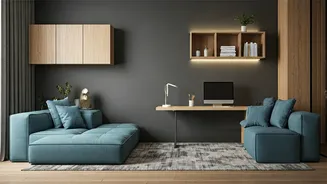
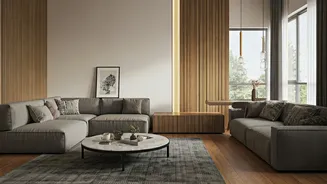
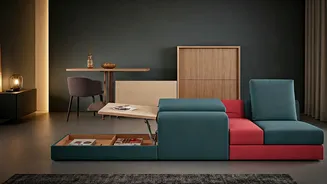
In the U.S. and India alike, the multi-generational family home remains a cultural pillar. The wellness design ethos adapts beautifully to this context. Instead of a single, monolithic living area, designers are creating layered common spaces that allow for togetherness on different terms. You might find a loud, bustling family room for TV and games, as well as a quiet, semi-open lounge for conversation or reading. It's about designing for a spectrum of social needs, creating opportunities for both boisterous connection and peaceful co-existence. This thoughtful zoning ensures that the home can be a sanctuary not just for individuals, but for the family unit as a whole, respecting the needs of every generation under one roof.