
An Introduction to Barfi
For the uninitiated, barfi is a beloved category of Indian sweets with a texture that American audiences might compare to a dense, milky fudge. The name itself comes from the Persian word for snow, a nod to its classic plain, white appearance. At its heart,
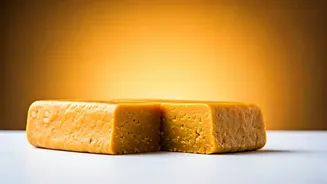
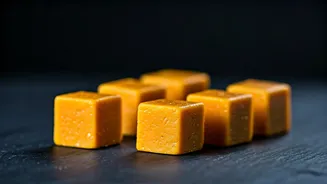
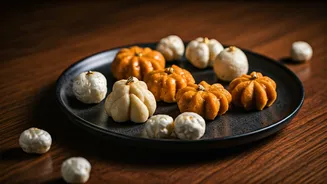
traditional barfi is made by cooking down milk solids (khoya) with sugar until it forms a thick, pliable mass. This mixture is then pressed into a pan, cooled, and cut into diamonds or squares. But that simple base is a canvas for endless creativity. Barfi can be infused with everything from pistachios (pista barfi) and cashews (kaju katli, a close cousin) to coconut and rosewater. It’s a staple at nearly every major celebration in India and across the South Asian diaspora, from the shimmering lights of Diwali to weddings, birthdays, and religious festivals. These little squares of sweetness are more than just dessert; they are symbols of joy, goodwill, and shared celebration.
Enter the King of Fruits
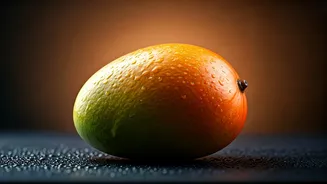
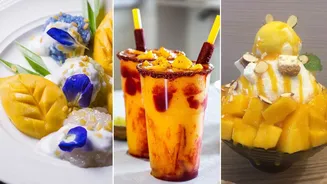
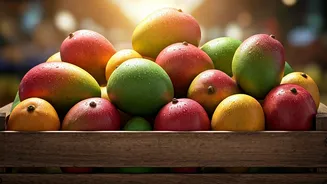
While classic barfi is a year-round delight, its most glorious transformation happens in the summer, thanks to the arrival of the mango. In India, the mango isn't just a fruit; it's a national obsession and a cultural icon. The brief, intense mango season (roughly April to July) is met with feverish anticipation. Newspapers announce the arrival of the first Alphonsoes—a variety prized for its non-fibrous, saffron-colored flesh and intoxicating aroma—like they’re reporting on visiting royalty. This “king of fruits” finds its way into everything: tangy pickles (achar), refreshing yogurt drinks (mango lassi), chilled desserts (kulfi), and, of course, sweets. The flavor of a peak-season Indian mango is a world away from the often-mild fruit found in U.S. supermarkets year-round. It’s a concentrated burst of sunshine—complex, fragrant, and profoundly sweet with a bright, tangy finish.
A Match Made in Sweet Heaven
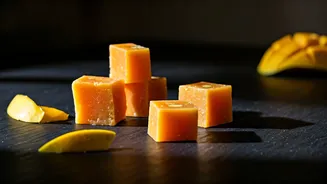
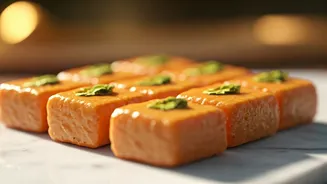
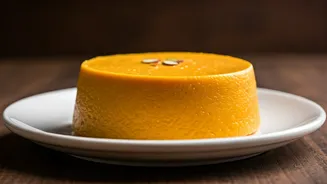
When mango puree is blended into the traditional barfi base, something magical happens. The dense, creamy sweetness of the milk fudge provides the perfect backdrop for the mango’s vibrant personality. The fruit’s natural tanginess cuts through the richness, creating a beautifully balanced treat that’s sweet but never cloying. The color transforms from simple white to a cheerful, sunny yellow or deep orange, instantly telegraphing its summery flavor. Often, the confection is delicately spiced with a pinch of green cardamom, whose floral, citrusy notes complement the mango perfectly. A final scattering of slivered pistachios or almonds adds a welcome crunch and a beautiful color contrast. The result is a multi-layered sensory experience: the velvety melt-in-your-mouth texture, the bright, unmistakable flavor of pure mango, the warm hint of spice, and the satisfying nutty finish.
Capturing Festive Energy in a Summer Treat
The phrase “festive energy” is key. Barfi is inherently celebratory. It’s what you share with neighbors during holidays and what you offer guests to mark a happy occasion. Mango barfi takes that celebratory DNA and infuses it with the specific joy of summer. It bridges the gap between ancient tradition and seasonal abundance. Making or sharing mango barfi is like bottling the best feelings of the year. It has the ceremonial weight of a festival sweet but the bright, carefree spirit of a perfect summer day. For many in the Indian diaspora, a box of mango barfi is a delicious dose of nostalgia, a taste of home during the warmest months. For newcomers, it’s an accessible and delightful introduction to the world of Indian sweets.